
Loading…
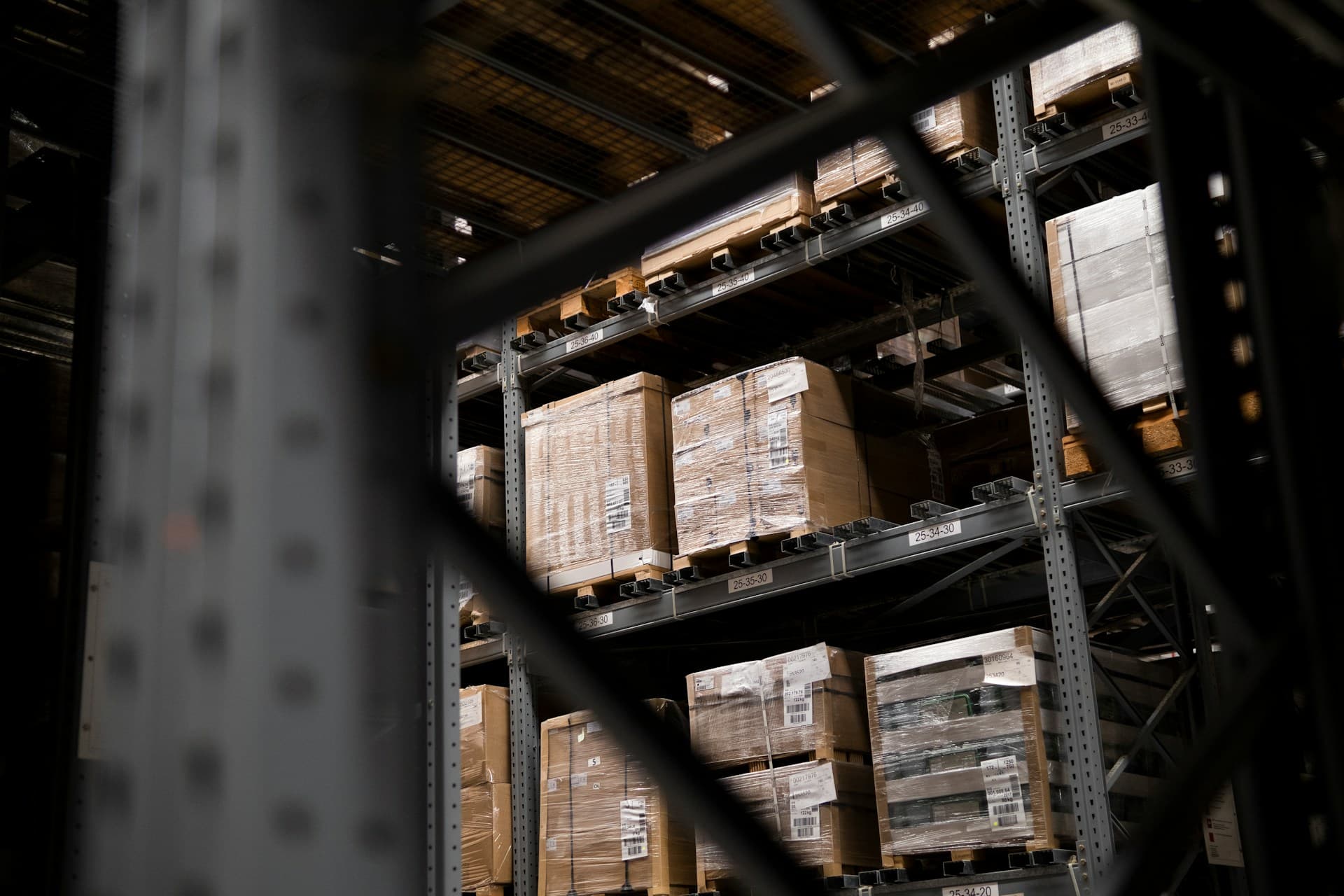
A lease ends on the 30th, but the new flat isn't ready until the 15th. A family is heading abroad for two years and can't bring the sofa, the wardrobe, or Grandmother's wooden chest. A shop owner in Asan has stock that has outgrown the back room. A student is leaving Kathmandu for the summer and has nowhere to leave a bed, a bookshelf, and four cartons of books.
Different people, same problem: where do my things go in the meantime?
For years, the answer in Kathmandu was improvised. A relative's spare room. A rented ground-floor room with a shutter. A corner of a friend's rooftop store. Those arrangements work until the monsoon finds a leak, a landlord asks for the room back, or a mattress comes out smelling of damp.
This guide is about doing it properly: what a good storage service in Nepal actually involves, how to judge whether your belongings will be safe, how to prepare each type of item, what affects the price, and what to put in writing before you hand anything over.
Before comparing options, it helps to separate three things that often get mixed up.
Storage as a space. You rent a room, a section of a warehouse, or a unit, and you control what goes in and who comes and goes. This is how most people picture a self-storage unit.
Storage as a managed service. A company collects your belongings, packs them, transports them, records them, keeps them in a facility, and delivers them back on a date you choose. You aren't running the space; you're buying care.
Storage as part of a move. The two jobs are joined together: the mover who packs and loads your goods also holds them between homes. This is the most common reason households in the valley look for storage, and it's why the question "who is accountable for my things at each stage?" matters so much.
Most people searching for a storage service in Nepal actually want the second or third kind. They don't want a key to an empty room; they want their belongings collected, kept in good condition, and returned without drama. Keep that distinction in mind as you read, because it changes what you should ask for.
Storage sounds simple: put things in a room and shut the door. Kathmandu makes it less simple for a few reasons.
Space is tight. The valley is dense, and purpose-built storage space has historically been limited. A 2018 OnlineKhabar profile of a warehouse provider in Kalanki described Kathmandu as having limited space built and customised for warehousing, with traders renting residential buildings for storage and paying rents that rose year after year. That article is several years old and focused on one company, so treat it as background rather than a current market report, but it reflects something most people in the valley recognise: usable, dry, accessible storage space isn't always easy to find.
Moisture is the main enemy. The valley gets well over a metre of rain a year, most of it during the monsoon, roughly June to September. Ground-floor rooms, basements, and poorly ventilated spaces can hold damp air for weeks. Damp is what turns wooden furniture musty, spots mattresses, rusts metal fittings, and warps books and documents.
Dust is constant. Construction, traffic, and dry-season winds mean fine dust settles on everything that isn't covered. It gets into electronics, clings to fabrics, and scratches polished surfaces.
Pests are opportunistic. Rats, cockroaches, silverfish, and termites don't need an invitation. Cardboard, fabric, paper, and wood are all attractive to one pest or another.
Informal arrangements carry hidden risk. A neighbour's spare room or a rented ground-floor shutter can look free or cheap, but there's often no written agreement, no inventory, no one responsible if something goes wrong, and no protection if the space is needed back suddenly.
None of this is a reason to avoid storing your things. It's a reason to choose the place, the packing, and the paperwork deliberately.
The reasons people store belongings fall into a handful of patterns. Knowing which one is yours helps you ask for the right arrangement.
| Situation | Typical Duration | What Usually Matters Most |
|---|---|---|
| Gap between moving out of one home and into another | A few days to a few weeks | Pickup timing, flexible delivery date |
| Renovation or repainting at home | Weeks to a few months | Protection of furniture from dust and damage |
| Moving abroad for work or study | Months to years | Dry, secure space, inventory, periodic checks |
| Downsizing to a smaller flat | Open-ended | Choosing what to keep and what to let go |
| Student or seasonal relocation | A season to a year | Low volume, easy access, reasonable cost |
| Business inventory overflow | Ongoing | Access, stock records, handling of cartons |
| Office relocation or fit-out | Weeks to months | Protecting desks, chairs, and equipment during the gap |
| Inherited or family goods | Open-ended | Care for items with sentimental or heirloom value |
| Wedding, festival, or event items | Short to medium | Safe handling of delicate decorations or equipment |
If you recognise your situation in this table, you're not unusual. Short gaps and long absences are among the most common reasons households in the valley need somewhere safe for their belongings, and the guide to when and why you need storage solutions during a move walks through these scenarios in more detail.
The length of time changes almost everything: how carefully you pack, what you ask the provider about, and how often you should check on your goods.
Short-term storage is usually days to a few weeks. The goal is continuity: your things are collected on one day and delivered on another, with as little handling as possible in between. Packing can be lighter, and the main risk is delay. Make sure the delivery date is agreed in writing, and ask what happens if your new home isn't ready on time.
Medium-term storage runs from a few weeks to a few months, often because of renovation or a gap between leases. Here, moisture and dust start to matter, so covers and ventilation become more important.
Long-term storage means many months or years. At this length, small problems compound: a little humidity becomes visible mould, a loosely stacked pile shifts, a pest finds a way in. Long-term storage deserves better packing, a written inventory with photos, and an agreement that lets you inspect your goods from time to time.
A simple rule: the longer the storage period, the more you should invest in preparation, and the more important it is to know exactly who is responsible for your things and where they are.
"Secure" and "safe" are easy words to put on a sign. In practice, safe storage is a set of boring, checkable conditions. When you visit a facility, or ask a provider to describe theirs, these are the things worth looking for.
A dry space. The floor, walls, and ceiling should be free of leaks, damp patches, and musty smells. Walk in and breathe: if it smells damp, your belongings will too.
Ventilation. Air should be able to move. A sealed, airless room traps moisture. Good storage balances protection with airflow.
Items raised off the floor. Pallets, racks, or shelving keep goods away from floor moisture and from water if there's ever a spill or a flood.
Pest control. Ask how the space is kept free of rodents and insects, and whether it's inspected regularly.
Fire safety. Ask what's in place to reduce fire risk, and whether storage of flammable materials is prohibited. Cartons, wood, and fabric burn easily, so a responsible provider takes this seriously.
Controlled access. Only authorised people should be able to enter. Ask who holds keys, how entry is logged, and whether you can be present when items are moved.
Orderly layout. Goods should be stacked sensibly, with heavier items below, fragile items protected, and a pathway so things can be reached without moving everything.
Record-keeping. A written inventory at the start, and a record of what leaves and when, protects both you and the provider.
Clear responsibility. If something is damaged or lost, the agreement should say what happens next. Ask this question before you store anything, not after.
No single feature guarantees safety. What you're looking for is a facility and a team that can answer these questions plainly, without hedging.
Not everything has the same needs. Here is how common categories compare.
| What You're Storing | Main Risks | Key Precautions |
|---|---|---|
| Wooden furniture | Moisture, warping, scratches, termites | Dry it, cover with breathable material, keep off the floor |
| Sofas and upholstered items | Mould, odours, pests, tearing | Clean first, use breathable covers, avoid tight plastic wrap |
| Mattresses | Damp, stains, crushed structure | Clean and dry, use a breathable cover, store flat, nothing stacked on top |
| Refrigerators and washing machines | Trapped moisture and odours, internal damage | Empty, clean, defrost and dry fully, secure doors and moving parts |
| Televisions and electronics | Dust, moisture, impact | Original or padded packaging, store upright where advised, keep dry |
| Clothes and bedding | Damp, mould, moths, pests | Wash and dry completely, store in clean containers or sealed bags |
| Books, documents, photographs | Moisture, mould, silverfish | Keep off the floor, use sturdy boxes, avoid damp spaces |
| Kitchen items and glassware | Breakage, grease, odours | Clean, wrap individually, pack snugly, label as fragile |
| Metal items and tools | Rust | Dry thoroughly, wipe with a light protective coating where appropriate |
| Office furniture and equipment | Scratches, dust, loose parts | Cover, label, keep fittings in labelled bags |
| Business stock | Moisture, crushing, mix-ups | Sturdy cartons, labelled by product, an inventory list |
If a provider can talk through how they'd handle your specific items, rather than saying "we handle everything," that's a good sign.
Most storage facilities restrict certain items, and sensible providers have rules to protect everyone's goods. Always confirm the specifics with your provider, but these are the categories commonly excluded or handled with extra care.
| Category | Typical Approach |
|---|---|
| Flammable or explosive materials (fuel, gas cylinders, certain chemicals) | Generally not accepted because of fire risk |
| Perishable food | Generally not accepted because it attracts pests and spoils |
| Hazardous or toxic substances | Generally not accepted |
| Illegal or restricted goods | Not accepted, and a provider has every reason to refuse |
| Wet or damp items | Should be dried first, or they can damage everything nearby |
| Live animals or plants | Not suitable for storage |
| Very high-value items (jewellery, large amounts of cash, important originals) | Better kept with you, in a bank locker, or with a trusted person, not in general storage |
The last row is worth emphasising. Storage is for belongings, not for valuables you can't replace. Keep passports, citizenship papers, property documents, jewellery, and cash with you or somewhere specifically secure.
Good preparation is the cheapest insurance you can buy. The effort you put in before storage decides what comes out the other end.
Clean each piece, then let it dry completely. Wipe wood with a dry or lightly damp cloth, not a wet one. Remove legs and detach parts where possible, and keep screws, bolts, and fittings in a labelled bag taped to the item. Cover with moving blankets or breathable fabric. One piece of widely repeated storage advice is worth following here: avoid wrapping furniture tightly in plastic, because plastic can trap moisture and encourage mould and mildew. Breathable covers let the air circulate.
Protect corners and edges. Wooden furniture, polished tables, and mirrored wardrobes are all easier to scratch than people expect.
Vacuum the surface, treat stains gently without soaking, and let the mattress dry fully before it's covered. Use a breathable mattress bag, not thick plastic wrap. Store it flat if you can, raised off the floor, and don't stack other items on top. Guidance on storing a mattress long term is consistent on this point: stacked weight can dent foam or damage coils, and a damp mattress that's sealed up will develop mould. Don't fold memory foam.
These need more care than almost anything else. Empty them, clean them, and let them dry completely, with doors left slightly open or secured in a way that allows airflow rather than sealing in moisture and odours. Washing machines need their drums and hoses drained. Air conditioners involve refrigerant and delicate components, so they're best handled by someone who knows how to disconnect and reconnect them. The guide to moving refrigerators, washing machines, and ACs safely explains the handling side in more detail.
Use the original boxes if you still have them. If not, wrap each item in soft padding and place it in a sturdy carton. Keep cables labelled and bundled with the device. Keep electronics off the floor, away from damp walls, and free from heavy items on top.
Wash everything first. Dirt and body oils attract pests, and anything slightly damp will smell and spot. Make sure it's completely dry, then pack it into clean cartons or breathable storage bags. For long storage, check periodically and air items out.
These are among the most moisture-sensitive things people store. Keep them in sturdy boxes, off the floor, with the boxes not overfilled. Don't pack them tight against an outer wall, where dampness is likely to build up. Consider whether the most important documents should stay with you rather than go into storage at all.
Wash and dry everything. Wrap plates, glasses, and cups individually, use plenty of padding, and pack heavier items at the bottom. Label the cartons clearly as fragile. For techniques that work, the guide on how to pack fragile items safely for shifting is a practical reference.
The way things are packed for storage is different from the way they're packed for a quick move. In a move, boxes are open for a day; in storage, they may stay closed for months.
An inventory isn't paperwork for its own sake. It's your proof, your checklist, and your protection if anything is disputed later.
When goods come back, check them against the inventory before the crew leaves. Report problems immediately, with photos, while everyone is still there.
Combining storage with moving is the single most common use of storage in the valley, and it has real advantages.
One company, one chain of responsibility. The team that packs your goods is the one that keeps them and delivers them. There's no handover between a mover and a separate facility where things can go missing.
Less handling. Every time goods are loaded, unloaded, and reloaded, there's a risk of damage. A joined-up service reduces unnecessary handling.
Flexible timing. If your new place isn't ready, goods go straight into storage and come out when you're ready. You're not forced to take delivery into an empty or unfinished home.
Packing done once. Items packed for the move are the same items packed for storage, which saves time and reduces repeated unpacking.
A typical combined process looks like this:
If your storage need comes with a move attached, the removal and storage service page from Nepal City Packers and Movers is the place to start.
Storage pricing in Nepal isn't standardised in any published way, and any figure quoted in an article would go out of date quickly. What's more useful is knowing what drives the price, so you can compare quotes sensibly.
| Factor | Why It Matters |
|---|---|
| Volume of goods | More space used generally means a higher cost |
| Duration | Longer storage periods affect pricing, and agreements sometimes offer different terms for longer stays |
| Type of items | Large, heavy, or delicate items take more space and care |
| Packing needed | Full packing by the provider costs more than self-packing |
| Pickup and delivery | Distance, floor level, lane access, and vehicle size affect transport cost |
| Dismantling and reassembly | Complex furniture takes time at both ends |
| Appliance handling | Fridges, washing machines, and ACs may need special handling |
| Access needs | Frequent access to your goods may be priced differently from "store and forget" |
| Timing | Peak moving periods can affect availability and price |
| Added protection | Extra covers, wrapping, or insurance options may add cost |
When comparing quotes, make sure you're comparing the same thing. One provider might quote only storage space, another storage plus transport plus packing. Ask each to break the quote into parts: collection, packing, storage, and delivery.
A confident, honest provider won't mind these. A vague one will reveal itself.
| Question | What a Good Answer Sounds Like |
|---|---|
| Where exactly will my belongings be kept? | A specific place you can understand or visit, not "a safe location" |
| Can I see the storage area? | Yes, or a clear explanation of how you can verify conditions |
| How do you protect against damp and pests? | Specific measures, not generic reassurance |
| Who can enter the storage area? | Controlled access, with a clear account of who is authorised |
| Will you prepare a written inventory? | Yes, as standard |
| What happens if something is damaged or lost? | A clear policy, preferably in writing |
| Is any insurance or protection available? | A straight answer about what is and isn't covered |
| Can I access my goods during the storage period? | Clear terms, including notice required and any charges |
| What's the minimum and maximum storage period? | Defined terms |
| What happens if I need to extend or collect early? | A simple process with stated notice |
| How is payment structured? | A clear schedule and written confirmation |
| What items do you not accept? | A clear list |
If the answer to a basic question is "don't worry, it's all fine," ask again, more specifically. Specific answers are a good sign. Reassurance with no detail isn't.

A verbal promise isn't enough for something you might not touch for months. Before handing anything over, make sure you have written confirmation of:
If a provider is reluctant to put any of this in writing, treat that as a warning. Our guide on how to spot an unreliable mover in Nepal covers the red flags in more depth, and most of them apply equally to anyone who will hold your belongings. If you're still choosing a provider, how to choose the best packers and movers company in Nepal explains how to compare them fairly.
Because storage involves handing over possessions for an extended time, the stakes are higher than a one-day move. Be cautious if you notice any of the following:
If something feels off, trust that feeling and ask more questions, or look elsewhere. Your belongings are replaceable in money terms, but not always in memory.
Storage isn't only a household need. Businesses in the valley face their own versions of the problem.
Inventory overflow. Shops and small traders often outgrow a back room. Stock stored in a damp or cramped space loses value quickly. Cartons should be clearly labelled by product, and a simple stock list helps you find what you need without opening everything.
Office relocation gaps. When an office moves, there's often a gap between leaving one building and settling into another. Desks, chairs, cabinets, and equipment need somewhere safe to wait. Label every piece by department and keep fittings with the item they belong to.
Fit-out and renovation. Furniture can be damaged by dust, paint, and construction traffic if it's left in place. Short-term storage during works can save repair costs.
Archive and records. Older business records need a dry space and sturdy boxes, and you should check legal retention requirements with your accountant before disposing of anything.
For companies planning a relocation, the guide to corporate move services in Nepal is a useful starting point, and the article on warehouse moving and packing services in Nepal covers moving stock and goods into and out of warehouse spaces.
If you're leaving Nepal for a long time, storage deserves extra thought. Decide first what's coming with you, what you're selling or giving away, and what you genuinely want to keep. Storing things you'll never use again is an expense that grows month by month.
For what remains, long-term storage needs particular care: sturdy cartons, thorough cleaning and drying, a detailed inventory with photographs, and a clear written agreement covering the full period. Arrange a trusted contact in Nepal who can authorise access or deal with the provider if something comes up while you're away. If you're shipping part of your household overseas and storing the rest, the international relocation service page explains how the shipped portion is handled, which helps you decide what really needs to go into storage.
Storage is easiest to arrange when you're not rushed.
Dashain and Tihar, roughly September to November, are the busiest relocation period in the valley, and demand for both moving services and storage tends to rise. If your storage need coincides with this window, arrange it earlier than usual.
The monsoon, roughly June to September, is the hardest time for storage because humidity peaks. If you must store during the monsoon, drying items completely before packing matters even more, and it's worth asking how the facility handles moisture in this season.
Dry months are generally easier for packing and transporting, since goods are less likely to be caught in the rain. The article on the best time of year to move in Nepal looks at how the calendar affects relocation decisions.
Whatever the season, book as soon as you know your dates. Last-minute storage leaves you with fewer options and less time to check the details.
This is a simple schedule that works for most households.
| When | What To Do |
|---|---|
| 3–4 weeks before | Decide what to store, sell, donate, or discard. Contact providers and request written quotes. |
| 2–3 weeks before | Choose a provider, confirm dates, and ask for the agreement in writing. Start cleaning and drying items. |
| 1–2 weeks before | Pack non-fragile items. Photograph furniture and valuables. Prepare the inventory. |
| 2–3 days before | Defrost and dry refrigerators and washing machines. Remove and bag fittings from dismantled furniture. |
| Day before | Confirm timing with the provider. Set aside documents, valuables, and essentials to keep with you. |
| Moving day | Be present for loading. Check the inventory against what is taken. Get a copy of the records. |
| During storage | For long periods, arrange a periodic check if the agreement permits. |
| Collection day | Check each item against the inventory before the crew leaves. Report any damage immediately, with photos. |
Nepal City Packers and Movers is a moving company serving Kathmandu, Lalitpur, and Bhaktapur, offering home, flat, room, and office shifting alongside related services. Storage sits naturally alongside that work, because the people who pack and move your belongings are also the ones best placed to keep them safe in between. Its range of services includes a dedicated page for removal and storage, linked above.
As with any provider, we'd encourage you to ask the questions in this guide, ask for everything in writing, and make sure the arrangement suits your belongings and your timeline before you commit.
A good storage arrangement is invisible. Your things go in dry and clean, they sit quietly, and they come out looking the way they went in. A bad one shows itself later, in a musty smell, a warped table, a missing carton, or an argument with no paper to settle it.
The difference rarely comes down to luck. It comes down to preparation, a dry and sensible space, a written inventory, a clear agreement, and a provider who answers questions plainly. Whether you need a storage service in Nepal for a few weeks between homes or a few years while you're abroad, ask early, check carefully, and keep a record. A little effort at the start protects things that are often worth far more than their price tag.
1. What is a storage service in Nepal, and how does it work?
It's an arrangement where a provider keeps your belongings in a managed space for an agreed period. Depending on the provider, it can range from simply renting space to a full service where your goods are collected, packed, stored, and delivered back to you on a date you choose.
2. How long can I store my belongings?
That depends on the provider and the agreement. Storage can be arranged for short gaps of a few days or weeks as well as for months or longer. Ask about minimum and maximum periods and how extensions work before you commit.
3. Is household goods storage in Kathmandu safe?
It can be, if the space is dry, ventilated, access is controlled, items are raised off the floor, and there's a written inventory. Safety comes from specific conditions you can check, not from a promise on a sign.
4. What items can't be stored?
Most providers restrict flammable or explosive materials, hazardous chemicals, perishable food, illegal goods, live animals or plants, and wet or damp items. Always confirm the provider's list in advance.
5. How should I prepare furniture for storage?
Clean it, dry it completely, dismantle where possible, keep fittings in labelled bags, and cover it with breathable material. Avoid wrapping furniture tightly in plastic, which can trap moisture.
6. How do I store a mattress properly?
Clean and fully dry it, use a breathable mattress bag, store it flat and raised off the floor, and don't stack other items on top. Avoid folding memory foam.
7. Can I store a refrigerator or washing machine?
Yes, but they need preparation: empty, clean, defrost, and dry them completely before storage so moisture and odours don't build up inside. Ask the provider how they handle appliances.
8. Does the monsoon affect stored goods?
It can. The valley's humidity peaks in the monsoon, roughly June to September, and damp air can cause mould, warping, rust, and odours. Complete drying before packing and good ventilation in the storage space matter most.
9. Do I need an inventory list?
Yes. A written inventory, ideally with photographs, is your best protection if something is later damaged or missing.
10. Can I access my goods while they're in storage?
It depends on the terms. Some arrangements allow access with notice, while others are "store and collect." Ask about access, any notice required, and any charges before you agree.
11. How is storage priced?
Pricing generally depends on the volume of goods, the storage period, packing needs, transport, access requirements, and timing. Ask for a quote broken down into collection, packing, storage, and delivery.
12. Is it cheaper to store things with a friend or relative?
It may cost less in money, but there's often no written agreement, no inventory, and no clear responsibility if something goes wrong. Weigh the savings against the risks, especially for valuable or sentimental items.
13. Can I combine storage with moving services?
Yes, and it's one of the most common reasons people use storage. The same team packs, transports, stores, and delivers your goods, which keeps responsibility clear and reduces handling.
14. Is insurance included with storage?
Not automatically. Ask the provider directly what protection, if any, is available, what it covers, and what's excluded, and get the answer in writing.
15. What should I keep out of storage?
Passports, citizenship papers, property documents, jewellery, cash, and anything irreplaceable are better kept with you or somewhere specifically secure.
16. Can businesses use storage services?
Yes. Businesses use storage for stock overflow, office relocation gaps, renovation periods, and archived records. Labelling and a stock or equipment list are especially important.
17. How far in advance should I arrange storage?
As soon as you know your dates. Booking is easier outside Dashain–Tihar and well before the monsoon, and gives you time to compare quotes and check the details.
18. What happens if my new home isn't ready on time?
This is where storage helps. Your belongings stay in storage until you're ready for delivery, but you should confirm in writing how flexible the delivery date is and whether extra time costs more.
19. Can I store a vehicle or motorbike?
This depends on the provider and the facility. Vehicles need different space and rules from household goods, so ask whether they are accepted and under what conditions.
20. How do I choose a reliable storage provider?
Ask where goods are kept, ask to see the space, check how damp and pests are controlled, request a written inventory and agreement, and be wary of vague answers or very low prices with no explanation.
If you're searching for a safe, straightforward way to store your belongings, the quickest step is a short conversation. Message Nepal City Packers and Movers on WhatsApp at +977 9851364869 and tell us what you need to store, roughly for how long, and where it needs to be collected from and delivered to. We'll help you work out the right arrangement and give you a clear, written estimate before you commit to anything.
You can also reach us through the contact page for other ways to get in touch.

Nepal City Packers and Movers
Share:
Explore Our Range of Moving & Logistics Services

Experience fast and reliable domestic and international courier services with Nepal City Packers and Movers. Secure delivery for all your packages, locally and globally!

Explore additional services by Nepal City Packers and Movers, including loading, unloading, parking assistance, and more. Tailored solutions for all your needs!

Explore reliable two-wheeler transport services by Nepal City Packers and Movers. Safe, secure, and timely bike transportation locally or across Nepal. Contact us today!
 Nepal City Packers and Movers - Banepa, Kavre
 Top Packers and Movers - Bouddha, Kathmandu
 Professional Packers and Movers - Balaju, Kathmandu
 Reliable and Affordable Packers and Movers - Baluwatar, Kathmandu
 Top-Rated Packers and Movers - Maharajgunj, Kathmandu
 Leading Packing and Moving Service | Nepal City Packers and Movers - Durbarmarga, Kathmandu
 Nepal city packers and movers - Lalitpur, Nepal
 Nepal City Packers and Movers - Thimi, Bhaktapur
 Reliable Packers and Movers - Kupandole, Lalitpur
 Affordable and Reliable Packers and Movers - kalanki, Kathmandu