
Loading…
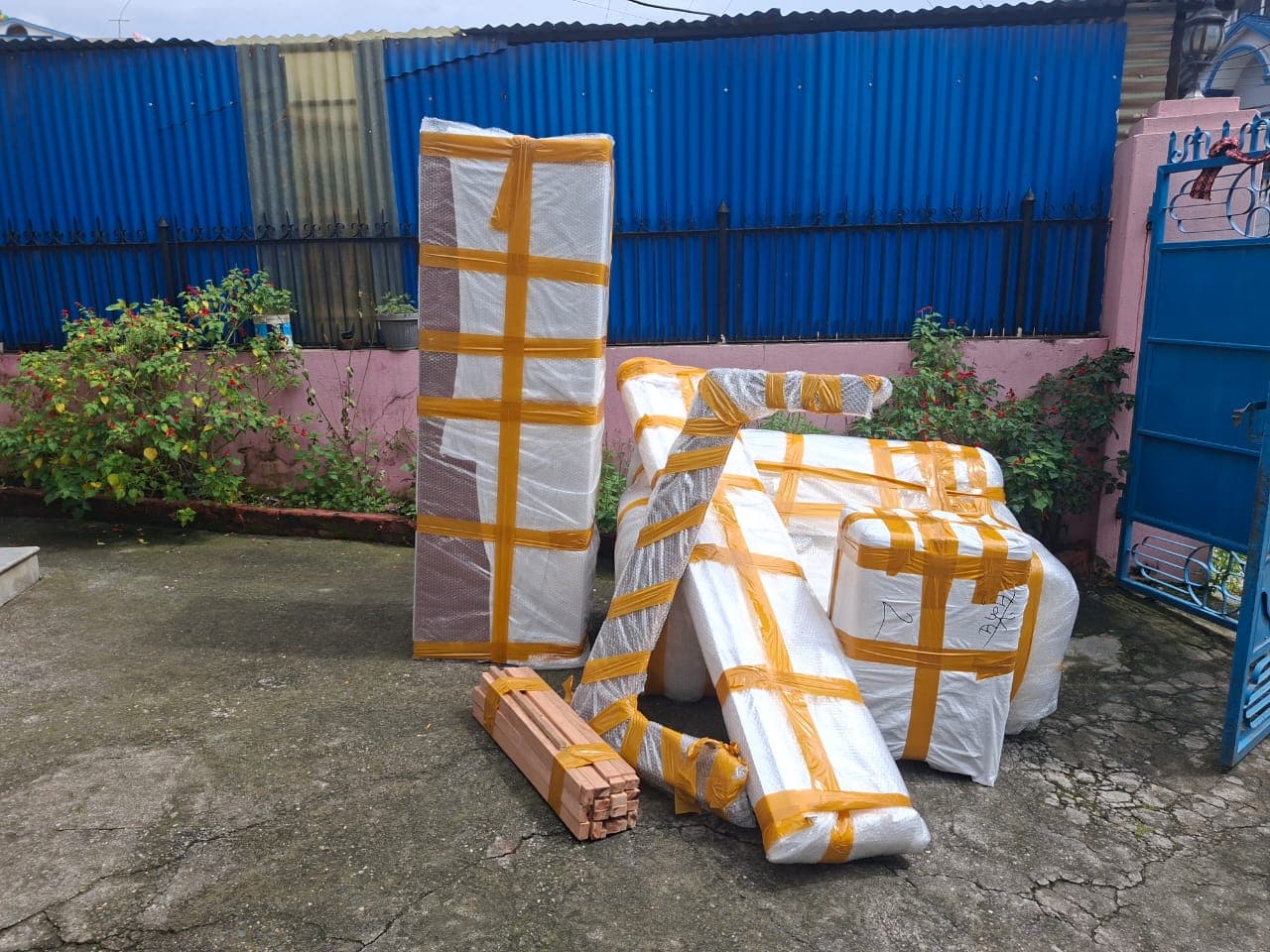
If you have any flexibility at all over when you relocate, the calendar matters more than most people realize. Ask anyone who's hauled furniture down a flooded lane in July, or tried to book a mover the week before Dashain only to find every truck in Kathmandu already spoken for, and they'll tell you: timing a move in Nepal isn't just a scheduling detail, it genuinely shapes how smoothly the whole thing goes.
This guide breaks down the best time of year to move in Nepal — weighing monsoon season against the dry season, factoring in Nepal's festival calendar, and giving you a realistic, month-by-month picture so you can plan around what actually works for your situation, not just an arbitrary date. Nepal City Packers and Movers handles relocations across Kathmandu Valley and beyond in every season, and this guide reflects what that experience actually looks like on the ground, season by season.
Nepal's geography and calendar create a few recurring, predictable patterns that affect almost every household and business relocation in the country: a four-month monsoon period with real rain and, on some routes, road risk; a concentrated festival season that creates the single highest demand spike movers see all year; and a dry season that, for good reason, has become the default answer most moving companies give when asked about the best time of year to move in Nepal.
None of this means you can't move outside the "ideal" window — plenty of people move in the monsoon or right before Dashain because life doesn't always wait for perfect weather. But knowing what you're planning around makes the difference between a move that goes smoothly and one that runs into entirely avoidable problems.
Broadly, Nepal's year splits into two practical categories for moving purposes: the monsoon season, roughly June through September, and the dry season, covering the rest of the year — broadly October through May, though with its own internal variation (cooler winter months, a warmer pre-monsoon stretch in spring).
According to Nepal's Department of Hydrology and Meteorology (DHM), the normal monsoon onset date for the country is 13 June, with a normal withdrawal date of 2 October — meaning the monsoon season is officially treated as a four-month window from June to September. In recent years, actual withdrawal has tended to run later than this normal date; DHM's own seasonal reporting and independent coverage have both noted a pattern of delayed withdrawal, with the monsoon in several recent years not fully clearing the country until well into October.
| Season | Months | General Character |
|---|---|---|
| Monsoon season | June – September (with withdrawal sometimes extending into October) | Heavy rain, higher humidity, risk of landslides on hill routes, lush but wet conditions |
| Dry season (autumn) | October – November | Clear skies, stable roads, Nepal's festival season (Dashain, Tihar) |
| Dry season (winter) | December – February | Cold, especially at night; generally dry and stable for moving |
| Dry season (pre-monsoon/spring) | March – May | Warming temperatures, generally dry, occasional pre-monsoon showers toward late May |
This split is the real foundation for figuring out the best time of year to move in Nepal — everything else in this guide builds on understanding where your move falls within it.
For most people asking about the best time of year to move in Nepal, the dry season — loosely October through May, excluding the festival crush covered separately below — is the straightforward, practical answer, and for good reason.
Stable road conditions. Without the monsoon's heavy rainfall, Nepal's hill roads and highways — including key routes like the Prithvi Highway connecting Kathmandu to Pokhara — are far less prone to the landslides and temporary closures that can genuinely disrupt an intercity move during the rainy months.
No weather risk to belongings during loading and unloading. A dry-season move means furniture, boxes, and electronics aren't exposed to sudden rain while sitting on a truck bed or being carried between a building and a vehicle — a real, practical concern that doesn't exist outside the monsoon window.
More predictable timing. Without rain-related delays factored in, moving-day schedules — especially for long-distance moves between cities — are considerably easier to plan accurately.
Generally better conditions for outdoor and multi-trip loading. Larger moves, particularly house shifting that sometimes require more than one vehicle trip, benefit from the predictability dry weather offers across a longer moving day.
The trade-off: because so many people reach the same conclusion, the dry season — particularly the weeks around and just after Dashain and Tihar — is also when demand for movers peaks, which affects both availability and sometimes pricing. More on that below.
Monsoon-season moving gets a reputation as something to avoid, and there are real reasons behind that — but it's worth being fair about both sides.
The genuine downsides: rain during loading or unloading can damage unprotected belongings, particularly anything transported in an open vehicle without proper waterproof covering. For any move with an intercity component, monsoon-season rainfall has historically caused landslides and road disruption in Nepal's hill districts — the 2024 Nepal floods, for example, caused significant flooding and damage across the country's eastern and south-eastern districts during the monsoon period, a reminder of how real this seasonal risk can be in a given year. Humidity during the monsoon months can also be harder on certain materials — wood finishes and electronics in particular — if they sit exposed for any length of time during a move.
The genuine upsides: demand for movers is typically lower during the monsoon, since most people deliberately avoid this window, which can mean more availability and sometimes more flexible scheduling than you'd find during the dry-season rush. If your situation genuinely requires a monsoon-season move — a lease ending, a job starting, a sudden housing change — it's entirely manageable with the right precautions, and nowhere close to the worst option as long as you plan around the specific risks.
| Factor | Dry Season | Monsoon Season |
|---|---|---|
| Road conditions (intercity moves) | Stable, predictable | Risk of landslides/delays on hill routes |
| Weather exposure during loading/unloading | Minimal risk | Real risk without proper covering |
| Mover availability | Lower during peak dry-season demand | Generally higher, more flexible scheduling |
| Pricing | Can carry a premium around festival season | Often more standard/competitive |
| Overall recommendation | Preferred for most moves, especially intercity | Workable with proper weatherproofing and buffer time |
Since life doesn't always cooperate with ideal timing, here's how to handle a monsoon-season move properly rather than simply hoping for good weather:
Confirm with your mover that proper waterproof covering — tarps or a covered vehicle — will be used for anything transported in an open-bed truck, since this is non-negotiable during the rainy months. Build in a genuine time buffer for any long-distance or intercity move, since road conditions on routes through hill sections can be unpredictable between June and September. Pack with extra attention to moisture-sensitive items — electronics, important documents, and anything with a wood finish — using sealed bags or extra protective wrapping beyond what you'd use in dry conditions. Keep a close eye on short-term weather forecasts in the days leading up to your move, and if there's flexibility, aim for a break in heavier rain rather than moving during an active downpour. And if your move involves a managed apartment complex, confirm covered loading/unloading access at the entrance, since some buildings offer sheltered areas that make a genuine difference during a rainy moving day.
No discussion of the best time of year to move in Nepal is complete without addressing Dashain and Tihar directly, since this period — more than monsoon or dry season alone — is what actually determines mover availability and pricing pressure across the country.
Dashain 2026 runs from 11 October (Ghatasthapana) through 25 October (Kojagrat Purnima), with the main Vijaya Dashami tika day falling on 21 October. Tihar 2026 follows shortly after, running from 7 November (Kaag Tihar) through 11 November (Bhai Tika). Together, these two festivals — Nepal's biggest of the year — span roughly mid-October through mid-November, and as the full list of Nepal's public holidays shows, this period includes some of the longest consecutive holiday stretches on the national calendar.
This matters enormously for moving plans, because:
Demand for movers spikes dramatically in the weeks before Dashain. Many families specifically aim to be settled into a new home before the festival begins, which concentrates an enormous share of the year's household moving activity into a narrow pre-Dashain window.
Availability tightens considerably. Trucks, crews, and experienced movers all get booked up faster than usual, meaning last-minute requests during this period are far less likely to be accommodated — or accommodated only by less experienced, less reliable operators who happened to still have capacity.
Pricing can reflect the demand spike. As with any service facing a seasonal surge, moving costs during the weeks immediately before Dashain and Tihar tend to run higher than during quieter periods.
The festivals themselves bring Kathmandu's normal pace to a near-stop. Many businesses close, families travel to ancestral homes, and the general rhythm of the city shifts — not a practical window for moving at all, separate from the demand issue.
If your move can happen either comfortably before this surge or after it eases (typically from late November onward), you'll generally get better availability and a more straightforward booking process than trying to squeeze a move into the two or three weeks right before Ghatasthapana.
Rather than a binary "monsoon vs. dry season" view, here's a more practical month-by-month picture for anyone trying to pin down the actual best time of year to move in Nepal for their specific situation.
| Month(s) | Conditions | Moving Outlook |
|---|---|---|
| December – February | Cold, especially mornings and nights; generally dry and stable | Good window — lower demand than autumn, stable roads, straightforward booking |
| March – May | Warming temperatures, mostly dry with occasional late-spring showers | Good window — pleasant conditions, good road access, moderate demand |
| June – mid-September | Monsoon season — heavy rain, humidity, landslide risk on hill routes | Workable with precautions, but requires weatherproofing and schedule buffers, especially for intercity moves |
| Late September – early October | Monsoon typically easing, though withdrawal has trended later in recent years | Transitional — check current conditions before assuming the rain has fully cleared |
| Mid-October – mid-November (Dashain & Tihar) | Clear, stable weather but extremely high demand | Busiest and most expensive window — book well ahead if your move falls here, or consider shifting slightly either side of it |
| Late November | Post-festival, clear and stable | Excellent window — demand eases significantly while dry-season weather conditions remain favorable |
Winter (December through February) and spring (March through May) consistently come out as the most balanced choice for most movers — dry, predictable conditions without the acute demand crunch of the festival season.
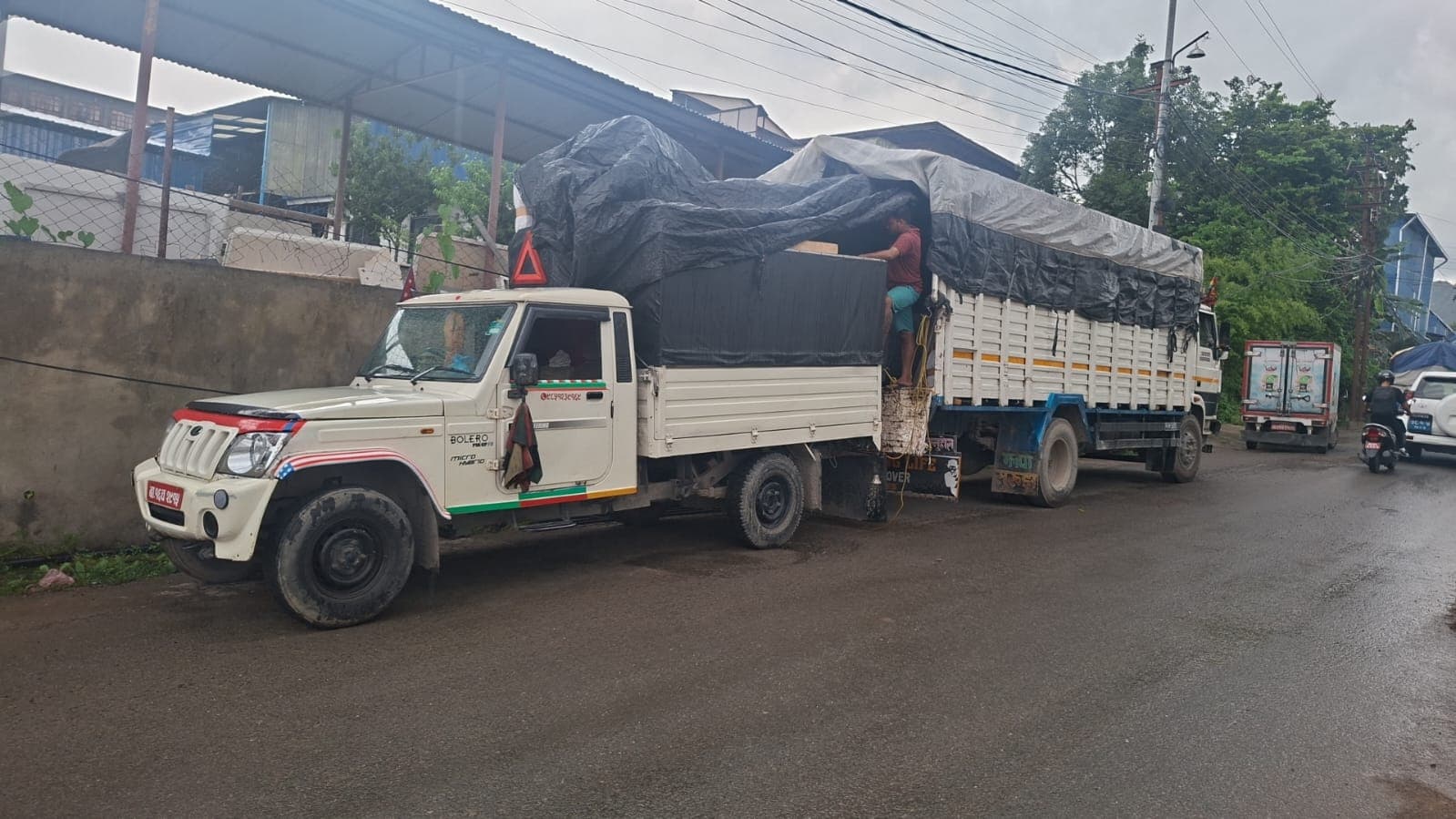
The "best" time of year isn't identical for every kind of move — a quick room shift tolerates far more seasonal flexibility than a full intercity relocation. It's worth thinking about your specific move type alongside the calendar.
Room and flat shifting within Kathmandu Valley are the least weather-sensitive category — a short-distance move completed in a few hours carries much less monsoon-season risk than a multi-hour intercity trip, since there's simply less time for weather or road conditions to become a factor. If your timeline is tight and falls during the monsoon, this category of move is the most forgiving.
Office shifting, particularly for businesses with sensitive IT and server equipment, benefits from dry-season scheduling where possible, simply to reduce any weather-related handling risk around valuable electronics — though a well-planned monsoon move with proper covering and anti-static handling is still entirely achievable.
Full house moves and intercity relocations are where seasonal timing matters most, given the combination of higher volume, longer loading/unloading exposure, and — for intercity trips — genuine road-condition risk during the rainy months. If you have real flexibility, this is the move type most worth protecting with dry-season timing.
Moves requiring temporary storage solutions — for instance, when move-out and move-in dates don't align — are less affected by season directly, though it's worth confirming that any storage facility properly protects belongings from monsoon-season humidity if your gap period falls within that window.
| Move Type | Seasonal Sensitivity |
|---|---|
| Room/flat shifting (short distance) | Low — manageable in any season |
| Office shifting | Moderate — dry season preferred for IT-heavy moves, but workable year-round |
| House shifting / intercity moves | High — dry season genuinely preferred given longer exposure and road-condition risk |
| Storage-dependent moves | Low-moderate — confirm storage conditions if the gap period falls in monsoon season |
Season affects more than just rain risk — the comfort and practicality of the moving day itself shifts noticeably across the year, which is worth factoring in alongside the rain-versus-dry calculation.
Winter (December–February) brings cold mornings and nights, particularly in Kathmandu Valley, which can make early-start moving days genuinely uncomfortable for both crew and family members helping out, though daytime temperatures are usually manageable. Clear skies and low humidity, however, make this one of the most reliable windows for a trouble-free move.
Spring (March–May) offers warming, generally pleasant conditions through much of the period, though late spring can bring both rising heat and the occasional early pre-monsoon shower as the season transitions — worth checking short-term forecasts if your move falls in May specifically.
Autumn outside the festival crush (late November, and again in the week or two before Dashain if you can secure a booking) often delivers Nepal's most pleasant moving weather overall — post-monsoon clarity, comfortable temperatures, and (once the festival surge passes) considerably eased demand.
Regardless of season, the planning principles that make a move go smoothly stay consistent — an accurate pre-move checklist, honest volume assessment, and realistic scheduling. What changes by season is the specific precautions layered on top: waterproof covering and extra time buffers during the monsoon months, earlier booking during the Dashain-Tihar surge, and generally straightforward scheduling during the quieter winter and spring windows.
Nepal City Packers and Movers operates across all twelve months, which means the honest, season-specific advice in this guide isn't theoretical — it reflects how moves are actually planned and executed throughout the year, whether that's a July relocation needing extra weatherproofing or a late-November move benefiting from the calmest, most available window the year has to offer.
Season and cost are closely linked in Nepal's moving market, and it's worth planning around both together rather than treating timing and budget as separate decisions. If keeping costs down matters as much as timing, pairing your seasonal planning with general budget-conscious moving strategies — booking outside the festival surge, choosing labor-and-transport-only service tiers where appropriate, and giving your mover accurate details upfront — tends to deliver the best overall outcome, since avoiding peak-demand windows is itself one of the most effective ways to manage moving costs in Nepal.
If you're still weighing when to move, here's a simplified way to think it through:
What is the best time of year to move in Nepal?
Generally, the dry season outside the Dashain-Tihar festival rush — roughly December through May — offers the most favorable combination of stable weather, predictable road conditions, and manageable mover demand, making it the best time of year to move in Nepal for most people with flexible timing.
Is it bad to move during monsoon season in Nepal?
It's not ideal, but it's entirely workable with the right precautions — proper waterproof covering for belongings, extra time buffers for any intercity travel, and careful packing of moisture-sensitive items like electronics and documents.
When does monsoon season actually start and end in Nepal?
According to Nepal's Department of Hydrology and Meteorology, the normal monsoon onset date is 13 June and the normal withdrawal date is 2 October, making the officially recognized monsoon season a four-month window from June through September. In recent years, actual withdrawal has often extended later into October.
Why is moving so expensive and hard to book right before Dashain?
Demand for movers spikes dramatically in the weeks before Dashain as many families aim to be settled into a new home before the festival begins, which tightens truck and crew availability and can push pricing higher than during quieter periods.
When is Dashain in 2026?
Dashain 2026 runs from 11 October (Ghatasthapana) through 25 October (Kojagrat Purnima), with the main Vijaya Dashami tika day on 21 October.
When is Tihar in 2026?
Tihar 2026 runs from 7 November (Kaag Tihar) through 11 November (Bhai Tika).
Is it better to move before or after Dashain and Tihar?
Both before and after can work, but availability and pricing are generally more favorable once the festival period eases — typically from late November onward — compared to the compressed, high-demand weeks immediately before Dashain begins.
Does moving during monsoon season risk damage to my belongings?
The main risk is rain exposure during loading and unloading if proper waterproof covering isn't used, along with added humidity that can affect sensitive items like electronics and wood furniture if they sit exposed. Confirming weatherproofing with your mover addresses most of this risk directly.
Are intercity moves more affected by season than local Kathmandu moves?
Yes, significantly. A short in-valley room or flat move carries much less seasonal risk than a multi-hour intercity trip, where monsoon-season road conditions on hill routes can genuinely cause delays that a short local move would never encounter.
What's the coldest time of year to move in Nepal, and does it matter?
December through February brings the coldest temperatures, particularly at night and in early mornings in Kathmandu Valley. It doesn't affect the mechanics of moving much, but it's worth factoring into comfort planning for an early-start moving day.
Is spring a good time to move in Nepal?
Yes, March through May generally offers warming, mostly dry conditions, making it one of the better windows for moving — though it's worth checking short-term forecasts in May specifically, as occasional pre-monsoon showers can begin toward the end of the month.
Does the monsoon affect every part of Nepal equally?
Not necessarily — timing and intensity can vary somewhat by region, but the broadly recognized monsoon season across the country runs June through September, and hill routes connecting different regions are generally the most affected by rain-related road disruption.
Can I get a same-day or short-notice move during Dashain or Tihar?
It's considerably harder than at other times of year, given how tightly booked movers typically are during this period. If your situation requires moving during this window, booking as far in advance as possible significantly improves your chances.
Does Nepal City Packers and Movers operate during monsoon season?
Yes, Nepal City Packers and Movers handles relocations year-round, including during the monsoon months, with proper weatherproofing and realistic scheduling built into the planning for moves during this period.
What's the quietest, most available time of year to book a mover in Nepal?
Late November, right after the Dashain-Tihar festival period eases, along with the broader winter and spring months, tend to see the most manageable demand and the most straightforward booking experience.
Should I avoid moving entirely during the rainy months?
Not necessarily — if your timeline requires a monsoon-season move, it's entirely manageable with proper precautions. Avoiding it entirely is ideal if you have flexibility, but it's far from the worst option if you don't.
How far in advance should I book a mover if my move falls near Dashain?
Several weeks ahead is a reasonable target, given how significantly demand rises in the weeks leading up to the festival — far earlier than you'd typically need to book during a quieter period of the year.
Does the best time of year to move in Nepal differ for businesses versus households?
The same seasonal principles apply to both, though businesses with sensitive IT equipment may lean slightly more toward dry-season scheduling specifically to reduce weather-related handling risk, while households weighing festival timing often prioritize settling in before Dashain for cultural and family reasons.
What should I check with my mover if I have to move during monsoon season?
Confirm that waterproof covering will be used for anything transported in an open vehicle, ask about their experience with intercity routes during this period if applicable, and discuss a realistic time buffer for any road-dependent portion of your move.
Is there a single "worst" month to move in Nepal?
The weeks immediately before Dashain combine the year's highest demand with the tightest availability, making them the most challenging window to book a move — even though the weather itself is typically clear and favorable during this period.
Choosing the best time of year to move in Nepal comes down to weighing your own timeline against two real, predictable patterns: monsoon-season weather and road risk, and the festival-season demand crunch around Dashain and Tihar.
Whether your situation allows you to wait for the calmest window or requires you to move regardless of season, Nepal City Packers and Movers plans every relocation around the actual conditions of the day — proper weatherproofing in the rainy months, early booking around festival season, and straightforward scheduling the rest of the year.
Ready to plan your move? Message Nepal City Packers and Movers on WhatsApp at +977 9851364869 to talk through your timeline, get a seasonal recommendation specific to your move, and receive a clear, honest quote — whatever month you're planning for.

Nepal City Packers and Movers
Share:
Explore Our Range of Moving & Logistics Services

Experience fast and reliable domestic and international courier services with Nepal City Packers and Movers. Secure delivery for all your packages, locally and globally!

Explore additional services by Nepal City Packers and Movers, including loading, unloading, parking assistance, and more. Tailored solutions for all your needs!

Explore reliable two-wheeler transport services by Nepal City Packers and Movers. Safe, secure, and timely bike transportation locally or across Nepal. Contact us today!
 Nepal City Packers and Movers - Banepa, Kavre
 Top Packers and Movers - Bouddha, Kathmandu
 Professional Packers and Movers - Balaju, Kathmandu
 Reliable and Affordable Packers and Movers - Baluwatar, Kathmandu
 Top-Rated Packers and Movers - Maharajgunj, Kathmandu
 Leading Packing and Moving Service | Nepal City Packers and Movers - Durbarmarga, Kathmandu
 Nepal city packers and movers - Lalitpur, Nepal
 Nepal City Packers and Movers - Thimi, Bhaktapur
 Reliable Packers and Movers - Kupandole, Lalitpur
 Affordable and Reliable Packers and Movers - kalanki, Kathmandu