
Loading…
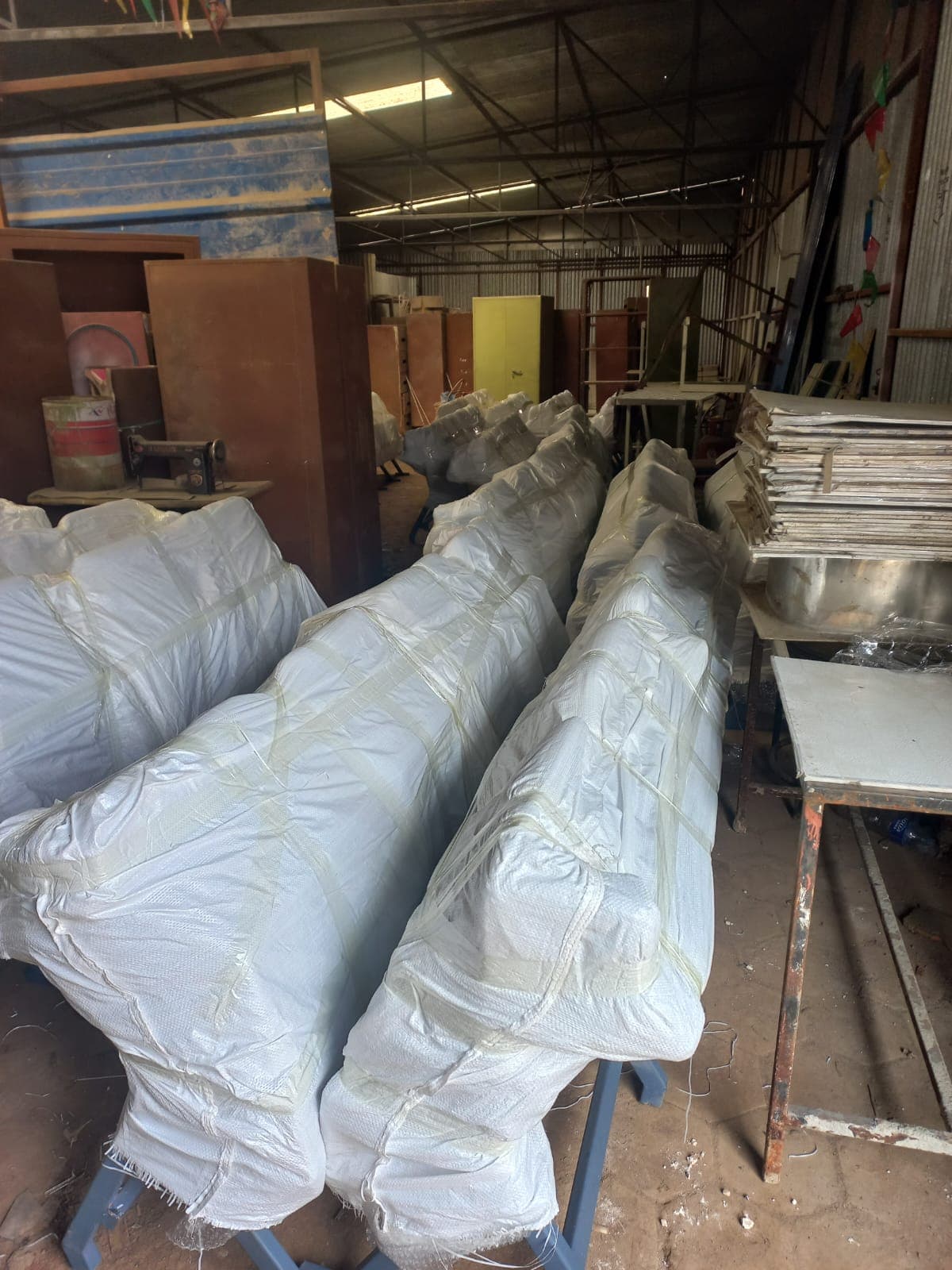
Relocating a warehouse is nothing like moving a home or even an office. It means racking systems, palletized inventory, forklifts, loading docks, and — critically — a business that can't afford extended downtime while stock sits inaccessible. Whether you're a distributor moving from Balaju to a larger facility in Bhaktapur, a manufacturer consolidating two storage sites into one, or a growing business outgrowing its current warehouse space, warehouse moving and packing services in Nepal require a genuinely different level of planning than any residential or standard office relocation.
This guide covers exactly how warehouse moving and packing services actually work in Nepal — how inventory is planned, packed, and transported, what genuinely affects cost, how to minimize operational disruption, and how Nepal City Packers and Movers approaches warehouse and industrial relocation across Kathmandu Valley and beyond.
Warehouse relocation is a specific category of commercial move, distinct from a standard office shift, and it's worth being clear about what's actually involved before getting into planning specifics.
A complete warehouse moving and packing service typically covers:
This is a meaningfully bigger undertaking than a standard office move, and it benefits from the same kind of project-management discipline that a larger corporate relocation requires — a genuine plan, clear ownership, and realistic timelines, rather than treating a warehouse move as "a bigger truck and more boxes."
A few genuine differences separate warehouse and industrial relocation from a typical office or household move:
Volume and weight are considerably higher. Warehouses store inventory, raw materials, or finished goods often measured in tonnes rather than a household's or office's worth of furniture — this changes the vehicle sizing, labor requirements, and handling equipment needed for a safe, efficient move.
Specialized equipment is often required. Forklifts are commonly used for warehouse operations across Nepal — for stacking and retrieving pallets, moving boxed goods over distance within a facility, and loading and unloading trucks — and a proper warehouse moving and packing service should have access to this kind of equipment, or coordinate with a forklift service provider, rather than relying purely on manual labor for heavy or bulky loads.
Racking systems need disassembly and reassembly. Unlike office furniture, warehouse racking is typically a structural system bolted or fitted together, and moving it requires genuine technical know-how to take apart safely and rebuild correctly at the destination — a mistake here risks both the racking's structural integrity and the safety of whoever uses it afterward.
Inventory organization matters enormously. A warehouse's value often depends on being able to locate and retrieve specific items quickly. A poorly planned warehouse move can result in inventory being unpacked in a disorganized way that takes weeks to sort out — a genuine operational cost well beyond the physical move itself.
Downtime has a direct, measurable business cost. For a warehouse supporting active distribution, retail supply, or manufacturing operations, downtime isn't just an inconvenience — it can directly disrupt order fulfillment, supply chains, and revenue in a way that's often more immediately measurable than office downtime.
| Factor | Office Move | Warehouse Move |
|---|---|---|
| Typical volume | Furniture, computers, general supplies | Palletized inventory, raw materials, finished goods — often tonnes |
| Specialized equipment | Rarely needed | Forklifts, pallet jacks, and racking tools often essential |
| Structural elements | Minimal (desks, partitions) | Racking and shelving systems requiring disassembly/reassembly |
| Inventory organization | Not typically a major factor | Central to the entire relocation plan |
| Downtime cost | Lost staff productivity | Lost fulfillment capacity, potential supply chain disruption |
Given the added complexity, a genuine warehouse relocation benefits from a longer, more structured planning process than a standard office move.
6-10+ weeks before: confirm the new facility's readiness (including whether racking is already installed or needs to be moved from the current site), assemble an internal project team with clear ownership across inventory management, logistics, and facilities, and get a comprehensive site survey and written quote from a warehouse moving and packing service provider with genuine industrial relocation experience.
4-8 weeks before: begin inventory categorization — deciding what's moving, what's being sold or discarded, and how existing stock will be organized for the move. This is also the stage to plan racking and shelving disassembly logistics, and to confirm whether forklift services will be needed at either or both locations.
3-4 weeks before: notify relevant vendors, suppliers, and business partners of the upcoming relocation and any expected disruption to delivery schedules, and finalize administrative matters — lease notice periods, business registration address updates, and insurance coverage for the move itself.
1-2 weeks before: finalize the moving-day (or phased moving) schedule, confirm building and loading dock access at both locations, and complete final inventory counts for reconciliation after the move.
Moving execution: depending on scale, this may happen in a single coordinated period or, more commonly for active warehouses, in a phased sequence that keeps at least part of the operation functional throughout.
Weeks after: inventory reconciliation against pre-move counts, racking and shelving fully installed and load-tested, and a genuine settling-in period before declaring the new facility at full operational capacity.
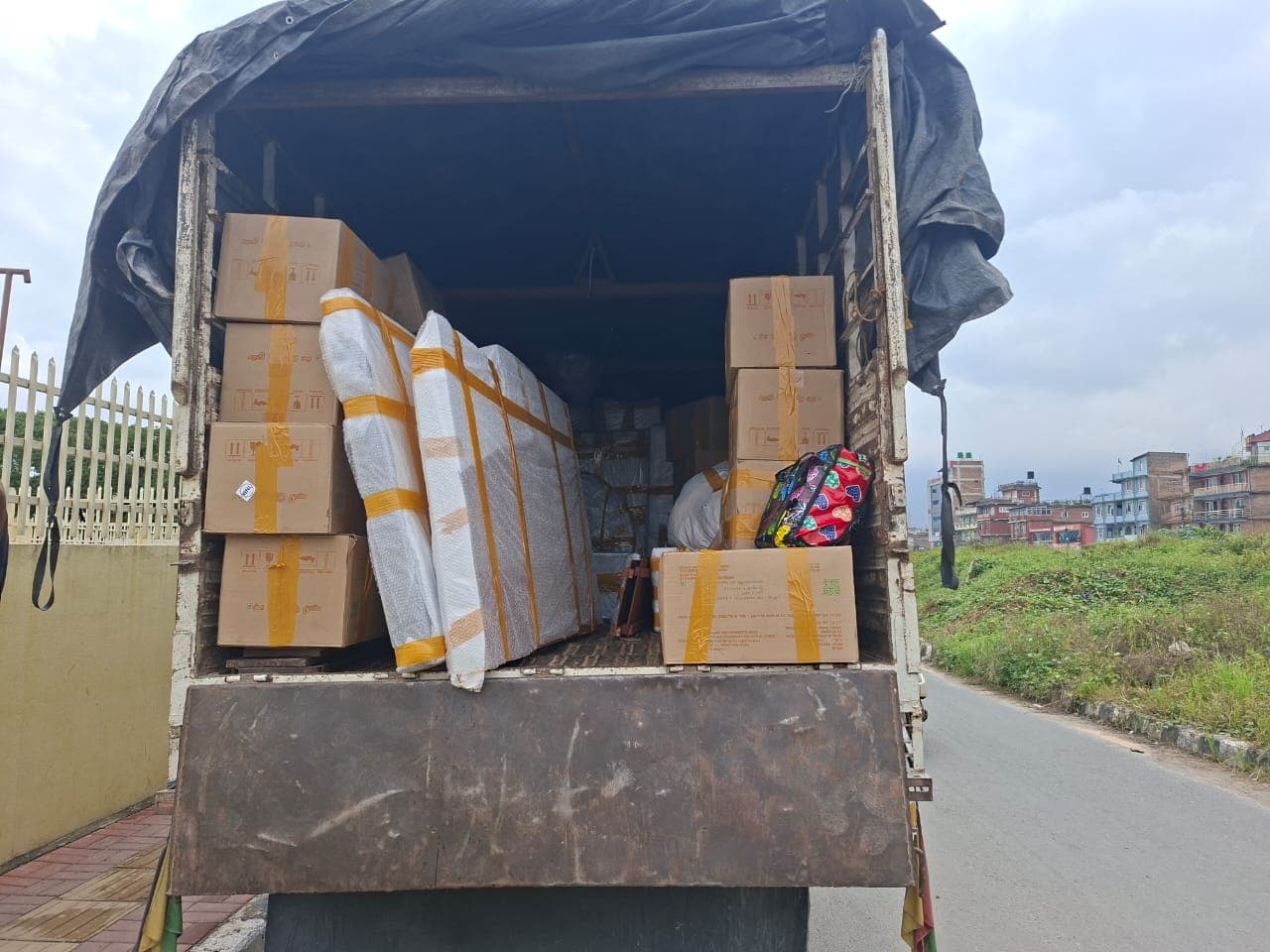
This decision matters just as much for warehouse moving as it does for corporate office relocation, and arguably more, given how directly warehouse downtime affects order fulfillment and supply continuity.
A single-event warehouse move — relocating the entire facility's inventory and equipment within a defined, often short window (commonly over a weekend or a planned closure period) — works when the business can tolerate a genuine pause in warehouse operations and when total inventory volume can realistically be handled within that window.
A phased warehouse relocation — moving inventory in planned stages, often by product category or by section of the warehouse — works better when the business needs to maintain at least partial fulfillment capability throughout the transition, or when the new facility itself is being prepared in stages rather than being fully ready all at once.
| Approach | Best Suited For | Trade-off |
|---|---|---|
| Single-event warehouse move | Businesses that can tolerate a full operational pause; smaller inventory volumes | Concentrated risk if anything goes wrong, since the whole operation is in transition at once |
| Phased warehouse relocation | Active distribution/retail operations needing continuous fulfillment; larger inventory volumes | Takes longer overall; requires managing split inventory across two locations temporarily |
Before a single pallet is packed, a genuine inventory assessment should establish exactly what's being moved, since this shapes every other planning decision.
Categorize inventory by movement priority. Fast-moving stock that's needed continuously should be planned for the shortest possible transition window, while slower-moving or seasonal stock can often be relocated earlier without operational impact.
Identify anything requiring special handling. Fragile goods, temperature-sensitive items, hazardous materials, or anything with specific regulatory handling requirements needs to be flagged early, since these categories often require distinct packing materials or transport arrangements compared to standard palletized goods.
Reconcile inventory counts before the move begins. A clear, documented inventory count taken shortly before packing starts gives you a genuine baseline to reconcile against once everything arrives at the new facility — this single step is one of the most valuable things a warehouse moving and packing service can help coordinate, since discrepancies are far easier to catch and resolve with a clear "before" number to check against.
Decide what's genuinely moving versus what should be discarded, sold, or written off. Warehouses accumulate obsolete or slow-moving stock over time, and a relocation is a natural opportunity to address this rather than paying to transport and re-shelve inventory that no longer serves the business.
Packing at warehouse scale looks meaningfully different from packing a household or office — the emphasis shifts from individual box-by-box care toward efficient, safe bulk handling.
Palletizing is central to an efficient warehouse move. The more goods that are properly palletized, the faster loading, transport, and unloading can flow — pallets allow forklifts to move large quantities of goods quickly and safely, rather than requiring manual handling item by item. Not every single item needs to go on a pallet, but for moves of any real volume, palletizing as much as possible is the standard, efficient approach.
Shrink wrap and strapping secure palletized loads. Once goods are arranged on a pallet, wrapping them in stretch film and, where needed, securing with straps keeps the load stable during transport, preventing shifting or toppling that could damage goods or create a safety hazard during loading and unloading.
Boxed and loose goods still need appropriate packing materials. For inventory that isn't palletized, standard packing principles apply — sturdy boxes matched to the item's weight and fragility, proper cushioning for anything delicate, and clear labeling that identifies contents by category or destination zone in the new facility.
Crating protects irregular or high-value items. For equipment or goods that don't fit standard palletizing or boxing — oddly shaped machinery components, delicate equipment, or particularly valuable items — custom crating offers a more robust level of protection for the journey.
| Packing Method | Best Suited For |
|---|---|
| Palletizing with shrink wrap/strapping | Bulk goods, boxed inventory, standard warehouse stock |
| Standard boxing | Loose items, smaller quantities, non-palletized inventory |
| Custom crating | Irregular shapes, delicate equipment, high-value machinery |
Racking systems are often the most overlooked part of warehouse moving and packing planning, yet they're frequently the most time-consuming element to handle properly.
Disassembly should be planned, not improvised. Racking is typically bolted or fitted together as a structural system, and taking it apart in a planned, methodical sequence — rather than an ad hoc dismantling — both speeds up the process and protects the racking from damage that could compromise its structural integrity when reinstalled.
Reassembly and layout planning go hand in hand. Ideally, the layout for racking at the new facility is planned in advance — mapped out before moving day — so racking can be reassembled directly into its intended position rather than installed provisionally and adjusted later.
Staging pallets before racking installation keeps the process organized. A well-run warehouse move typically stages incoming pallets in a designated area, out of the way of where racking is being reinstalled, then moves and places staged pallets onto racking as a distinct final step once the racking itself is properly installed and load-tested.
Forklifts and material-handling equipment are often essential, not optional. Given the weight and volume typical of warehouse inventory, forklift availability at both the origin and destination facility is standard practice for any warehouse move of real scale — whether through a moving provider's own equipment, a forklift rental and driver service, or close coordination between the two.
Nepal's warehouse and industrial activity is concentrated in a handful of established industrial areas, and understanding this landscape helps frame realistic relocation planning, particularly for intercity moves.
Kathmandu Valley itself hosts three established industrial districts: Balaju Industrial District in Kathmandu, the country's oldest, established in 1960; Patan Industrial District, established in 1963 and historically developed to support Nepali art and handicraft production; and Bhaktapur Industrial District, established in 1979 and the smallest of the three valley-based estates. Beyond the valley, Nepal's broader network of industrial estates includes locations such as Butwal, Hetauda, Nepalgunj, Pokhara, Dharan, Birendranagar, and Rajbiraj (Gajendra Narayan Singh Industrial Estate), among others.
A warehouse relocation between two of these established industrial zones — say, from Balaju to Bhaktapur within the valley, or from Kathmandu Valley to an industrial estate in Butwal or Hetauda — involves genuinely different planning depending on whether it's an in-valley move or an intercity one, following the same general road-transport realities that apply to any intercity relocation in Nepal.
| Move Type | Planning Consideration |
|---|---|
| Within Kathmandu Valley (e.g., Balaju to Bhaktapur) | Standard in-valley logistics; Ring Road traffic timing still relevant for larger vehicles |
| Intercity (e.g., Kathmandu Valley to Butwal, Hetauda, Pokhara) | Road-based transport over several hours; accurate volume assessment critical given limited ability to make a quick second trip |
Since operational continuity is often the top priority for any active warehouse, a few concrete strategies genuinely help:
Schedule the physical move around lower-demand periods where your business's order or fulfillment volume allows for it, rather than during a peak sales or production period.
Use a phased approach for actively operating warehouses, moving by product category or section so at least part of the facility remains functional throughout the transition.
Set up racking and basic layout at the new facility before the bulk of inventory arrives, so incoming pallets and boxed goods can be placed directly into their intended position rather than staged indefinitely while racking installation catches up.
Prioritize fast-moving inventory for the shortest possible transition window, moving slower stock earlier in the process when it has less immediate impact on fulfillment capability.
Coordinate closely with suppliers and logistics partners about any expected disruption to delivery or dispatch schedules during the move, so external parties aren't caught off guard by a temporary change in your warehouse's receiving or shipping capacity.
As with every commercial relocation category, an honest cost framework beats a vague flat number — warehouse moves in particular vary enormously based on inventory volume and complexity.
| Factor | Why It Matters |
|---|---|
| Total inventory volume and weight | The primary driver of vehicle size, crew size, and equipment needed |
| Racking/shelving complexity | More extensive or specialized racking systems take longer to disassemble and reassemble |
| Palletizing and packing needs | Volume of goods needing palletizing, boxing, or custom crating affects labor and material cost |
| Forklift/equipment requirements | Specialized material-handling equipment adds to overall cost, whether provided directly or coordinated separately |
| Distance (in-valley vs. intercity) | Longer distances between industrial areas increase transport time and cost |
| Single-event vs. phased execution | Phased moves typically involve more total labor and coordination time, though they reduce operational risk |
| Special handling categories | Fragile, hazardous, or temperature-sensitive goods requiring specific handling add cost |
| Timing | Urgent timelines or festival-season demand (Dashain, Tihar) can affect both pricing and availability |
For an accurate warehouse moving and packing service quote, share your total inventory volume, racking/shelving scope, distance, and whether special-handling goods are involved — a provider quoting blind, without a proper site assessment, is estimating rather than pricing your specific situation.
Given the scale, equipment needs, and operational stakes involved, vetting a provider for warehouse relocation deserves real diligence:
Confirm genuine experience with warehouse or industrial-scale relocation specifically, not just general office or household moving — the equipment, palletizing technique, and racking disassembly/reassembly skills involved are meaningfully different. Ask directly about forklift and material-handling equipment access, and whether this is provided directly or coordinated through a separate forklift service. Insist on a proper site survey and detailed written quote based on your actual inventory volume and racking complexity, rather than a rough estimate. Ask about their approach to inventory reconciliation — do they support a documented count before and after the move, so discrepancies can be caught and resolved? Confirm their experience with any special-handling categories relevant to your specific goods. Get a clear damage and liability policy specifically for warehouse-scale relocation, given the considerably higher inventory value typically involved compared to office equipment. And ask whether they can support a phased relocation approach if your operation needs to remain at least partially functional throughout the transition.
Nepal City Packers and Movers offers warehouse moving and packing services alongside its broader commercial, office, and cargo relocation offerings, applying proper inventory planning, palletizing, racking disassembly and reassembly, and coordinated transport to warehouse and industrial-scale relocations across Kathmandu Valley and to other industrial areas across Nepal.
It's worth distinguishing warehouse moving specifically from factory or heavier industrial equipment relocation, since the two are related but not identical:
Warehouse moving and packing services center on inventory, storage racking, and general warehouse equipment — the focus is on volume, organization, and efficient handling of goods in storage.
Factory or industrial equipment relocation centers on production machinery, specialized manufacturing equipment, and often heavier, more technically complex items requiring specific rigging, disassembly, and reinstallation expertise beyond what a standard warehouse move involves.
Many providers, including those offering broader commercial relocation in Nepal, cover both categories, but it's worth confirming which specific expertise applies to your situation — a warehouse full of palletized retail inventory is a genuinely different job from a factory floor full of production machinery, even though both fall under the broader "industrial relocation" umbrella.
For a mid-sized warehouse relocation choosing a phased approach, execution might unfold like this: the project team meets with the moving provider to walk through the plan, confirming which inventory categories move first and flagging any items needing special handling. Slower-moving stock and non-essential equipment move first, palletized and shrink-wrapped where possible, loaded using forklifts at both the origin and destination, and staged at the new facility in a designated holding area. Racking at the new facility is installed and load-tested ahead of the bulk inventory arrival, so staged pallets can be moved directly onto racking rather than left staged indefinitely. As the process validates smoothly, faster-moving inventory relocates in subsequent phases, with careful attention to maintaining fulfillment capability throughout. A final inventory count is conducted and reconciled against the pre-move baseline, and the facility is confirmed at full operational readiness once racking, equipment, and inventory placement are all complete and verified.
What does a warehouse moving and packing service in Nepal typically include?
A complete warehouse moving and packing service typically covers inventory assessment, racking and shelving disassembly and reassembly, palletizing and packing of goods, loading and unloading (often using forklifts), transport, and layout planning at the new facility.
How is warehouse moving different from a standard office move?
Warehouse moving involves considerably higher inventory volume and weight, often requires specialized equipment like forklifts, includes structural racking systems that need disassembly and reassembly, and carries a more directly measurable downtime cost tied to fulfillment and supply capability.
Do warehouse moving and packing services in Nepal provide forklifts?
Many providers either have their own material-handling equipment or coordinate closely with forklift rental and driver services, since forklifts are essential for efficiently stacking, retrieving, and transporting palletized goods at both the origin and destination facility.
What is palletizing, and why does it matter for a warehouse move?
Palletizing means arranging goods on pallets, typically secured with shrink wrap or strapping, so they can be moved efficiently using forklifts rather than handled item by item. The more goods that are properly palletized, the faster loading, transport, and unloading can flow during a warehouse relocation.
Should a warehouse move happen all at once or in phases?
This depends on your operation's tolerance for downtime. A single-event move works when the business can pause operations briefly; a phased relocation — moving inventory by category or section — works better for active distribution or retail operations that need continuous fulfillment capability.
How much does warehouse moving and packing service cost in Nepal?
Cost depends on total inventory volume and weight, racking complexity, palletizing and packing needs, equipment requirements, distance, and whether the move is single-event or phased. An accurate quote requires a proper site survey rather than a rough estimate.
How long does it take to relocate a warehouse in Nepal?
This varies enormously by inventory volume and complexity — a smaller warehouse move might be completed in a few days, while a larger, phased relocation involving significant racking and inventory can extend over several weeks.
What happens to racking and shelving during a warehouse move?
Racking is typically disassembled in a planned, methodical sequence, transported, and then reassembled and load-tested at the new facility — ideally following a pre-planned layout so it's installed directly into position rather than adjusted repeatedly afterward.
How is inventory tracked to make sure nothing goes missing during the move?
A documented inventory count taken before packing begins, reconciled against a final count after the move, is the standard approach — this gives a clear baseline to catch and resolve any discrepancies.
Can warehouse moving services handle fragile, hazardous, or temperature-sensitive goods?
These categories need to be flagged early during inventory assessment, since they typically require specific packing materials or transport arrangements distinct from standard palletized goods. Confirm your provider's experience with your specific goods category before booking.
What's the difference between warehouse moving and factory/industrial equipment relocation?
Warehouse moving centers on inventory, storage racking, and general warehouse equipment, while factory or industrial equipment relocation centers on production machinery and specialized equipment requiring more technical rigging and reinstallation expertise. Some providers cover both, but it's worth confirming which applies to your specific situation.
Which industrial areas in Kathmandu Valley are common warehouse relocation destinations?
The valley hosts three established industrial districts — Balaju Industrial District (Kathmandu, established 1960), Patan Industrial District (established 1963), and Bhaktapur Industrial District (established 1979) — along with other industrial estates across Nepal in cities like Butwal, Hetauda, Nepalgunj, Pokhara, and Dharan.
Does warehouse moving cost more for an intercity relocation compared to an in-valley move?
Generally yes, given the added distance, fuel, and driver time involved, along with the added importance of accurate volume assessment since an intercity vehicle can't easily make a quick second trip the way an in-valley move sometimes can.
How can a business minimize downtime during a warehouse relocation?
Scheduling the move around lower-demand periods, using a phased approach for active operations, setting up racking at the new facility before bulk inventory arrives, and prioritizing fast-moving stock for the shortest transition window are all genuine, practical strategies.
Do warehouse moving and packing services help with layout planning at the new facility?
Yes, this should be a standard part of a complete service — planning where racking, pallets, and inventory zones will go before moving day means goods can be placed directly into position rather than requiring repeated rearrangement afterward.
What should be reviewed before choosing a warehouse moving and packing service provider in Nepal? Genuine experience with warehouse or industrial-scale relocation, access to forklifts and material-handling equipment, a proper site survey and detailed quote, experience with any special-handling goods relevant to your inventory, and a clear damage/liability policy given the typically higher inventory value involved.
Does festival season affect warehouse moving availability and pricing in Nepal?
Yes, similar to other moving and logistics services, demand for movers can rise during Dashain and Tihar, which may affect both pricing and provider availability — worth factoring into your planning timeline if your relocation falls near this period.
Can a warehouse move be scheduled to avoid disrupting order fulfillment entirely?
For many active operations, complete avoidance of any disruption isn't fully realistic, but a well-planned phased approach — moving by category, prioritizing fast-moving stock last, and setting up the new facility's racking in advance — can genuinely minimize the operational impact.
Is palletizing required for every item in a warehouse move, or only bulk goods?
Not every single item needs to be on a pallet, but for any warehouse move of real volume, palletizing as much as reasonably possible is standard practice, since it allows forklifts to handle large quantities of goods quickly and safely compared to manual, item-by-item handling.
Does Nepal City Packers and Movers offer warehouse moving and packing services alongside its other offerings?
Yes — Nepal City Packers and Movers provides warehouse moving and packing services as part of its broader commercial and industrial relocation offerings, applying inventory planning, palletizing, racking disassembly and reassembly, and coordinated transport to warehouse relocations across Kathmandu Valley and to other industrial areas across Nepal.
A warehouse move succeeds when it's treated as the genuine logistics project it actually is — a proper inventory count, planned racking disassembly and reassembly, efficient palletizing, and a realistic single-event or phased execution plan built around your operation's actual tolerance for downtime.
Whether you're relocating within Kathmandu Valley's industrial districts or moving to an industrial estate in another city entirely, Nepal City Packers and Movers can support your warehouse moving and packing needs from the first inventory assessment through the final pallet placed on racking.
Get in touch with your inventory volume, racking scope, and timeline, and get a warehouse moving and packing plan built around what your business actually needs to keep running.

Nepal City Packers and Movers
Share:
Explore Our Range of Moving & Logistics Services

Experience fast and reliable domestic and international courier services with Nepal City Packers and Movers. Secure delivery for all your packages, locally and globally!

Explore additional services by Nepal City Packers and Movers, including loading, unloading, parking assistance, and more. Tailored solutions for all your needs!

Explore reliable two-wheeler transport services by Nepal City Packers and Movers. Safe, secure, and timely bike transportation locally or across Nepal. Contact us today!
 Nepal City Packers and Movers - Banepa, Kavre
 Top Packers and Movers - Bouddha, Kathmandu
 Professional Packers and Movers - Balaju, Kathmandu
 Reliable and Affordable Packers and Movers - Baluwatar, Kathmandu
 Top-Rated Packers and Movers - Maharajgunj, Kathmandu
 Leading Packing and Moving Service | Nepal City Packers and Movers - Durbarmarga, Kathmandu
 Nepal city packers and movers - Lalitpur, Nepal
 Nepal City Packers and Movers - Thimi, Bhaktapur
 Reliable Packers and Movers - Kupandole, Lalitpur
 Affordable and Reliable Packers and Movers - kalanki, Kathmandu