
Loading…
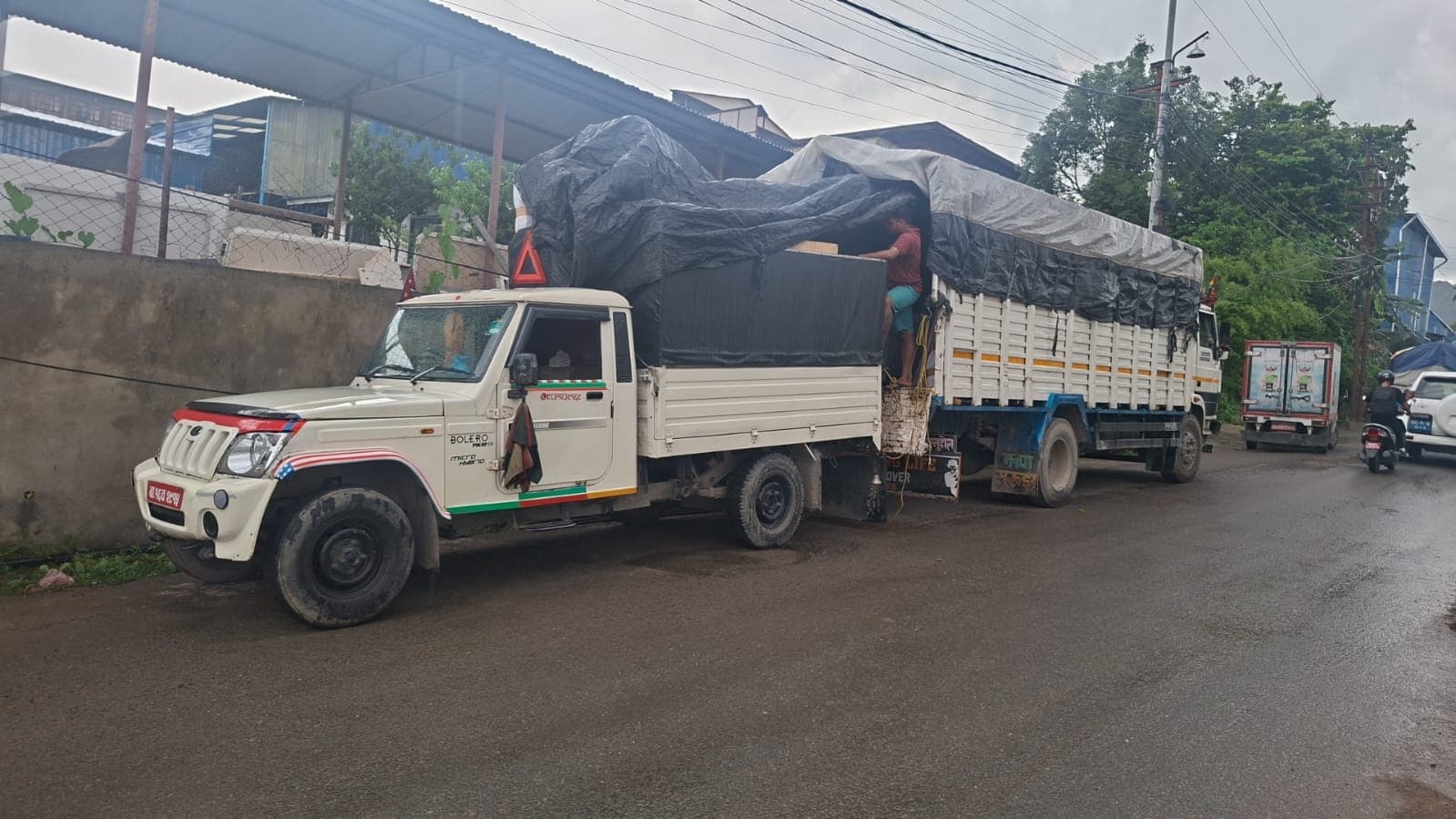
Moving day in Kathmandu, Pokhara, or anywhere else in Nepal rarely goes wrong because of bad luck. It goes wrong because someone hired the wrong company — a name they found in a Facebook ad, at a price that seemed too good to argue with, from a "business" that turned out to be one guy with a rented truck and a phone number that stopped working the day after the deposit cleared.
That's not a rare story here. Nepal's packing and moving industry has grown fast over the last decade, but regulation and standardization haven't kept pace. Anyone with a pickup truck and a Facebook page can call themselves a "packers and movers company," and plenty do. So the real question isn't "who are the top packers and movers in Nepal" — every company's homepage claims that. The real question is: how do you actually tell a legitimate, careful mover from a risky one before you hand over your furniture, your electronics, and your deposit?
This guide answers that question directly, with the specific checks, documents, price ranges, and red flags that matter in the Nepali market — not generic "get multiple quotes" advice you've already read a dozen times.
A few things make hiring movers in Nepal genuinely different from doing the same in a country with a mature logistics industry:
None of this means moving in Nepal has to be stressful. It means the vetting process needs to be more deliberate than "call three numbers off Google and pick the cheapest."
If you only have five minutes before a decision, use this table. The rest of the guide explains why each row matters and how to actually check it.
| What to Verify | How to Check | Red Flag |
|---|---|---|
| Business is legally registered | Ask for their company registration number; cross-check on the Office of the Company Registrar's portal | Can't provide a registration number, or gives a personal citizenship number instead |
| PAN/VAT registration | Ask for their PAN number on the quotation/invoice | Refuses to issue any invoice or receipt |
| Physical office address | Visit in person or verify via Google Maps / their branch page | Address is a residential flat with no signage, or they refuse a site visit |
| Vehicle and transport permit | Ask to see the vehicle registration (bluebook) or route permit | Vehicle details only shared "on the day of moving" |
| Written, itemized quote | Compare at least 3 quotes covering the same scope | Quote given only verbally over a phone call |
| Insurance or liability terms | Ask specifically what happens if an item is damaged, in writing | "Don't worry, we've never had a problem" with nothing on paper |
| In-person or video survey before pricing | Offered, not just a WhatsApp photo estimate | Flat rate quoted without asking your floor count, item list, or access details |
| Reviews that look real | Check Google Business reviews for volume, dates, and specific detail | Handful of 5-star reviews all posted the same week, no detail |
| Crew size and time estimate | Ask directly and get it in the written agreement | Vague "we'll send enough people" |
| Cancellation and rescheduling policy | Ask before paying any advance | No written policy, and no refund on any advance regardless of notice |
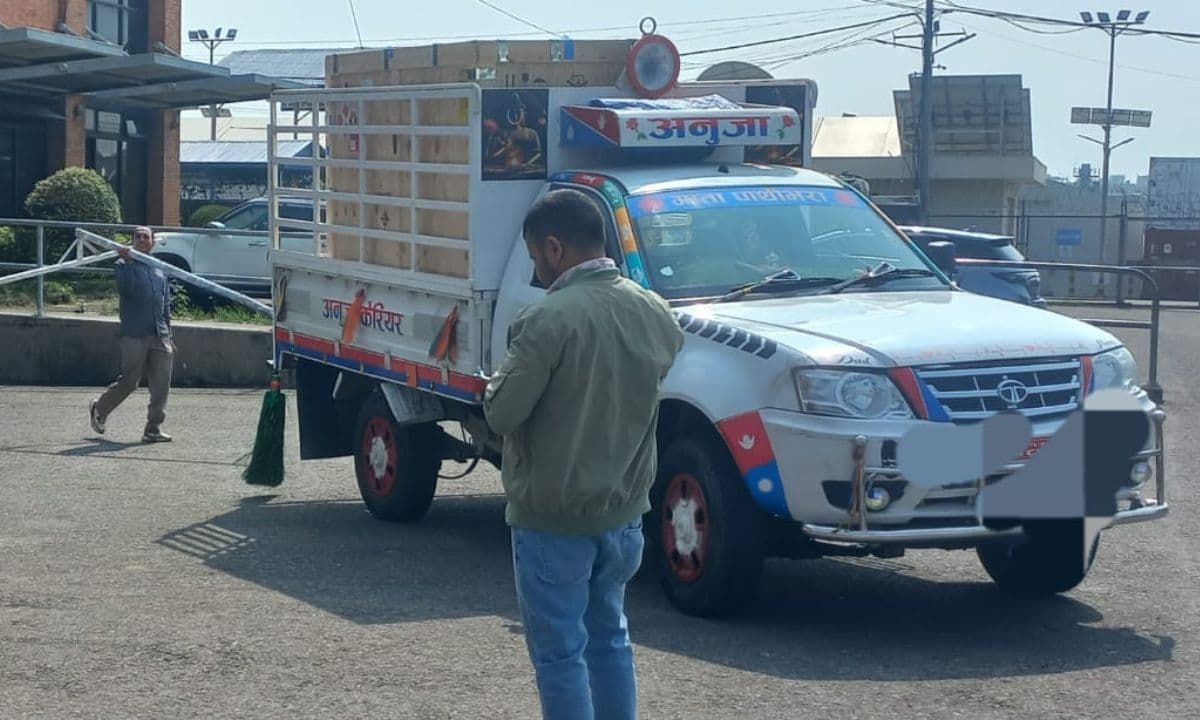
This is the single check most people skip, and it's the most revealing. Every legitimate business in Nepal — including a small moving company — should be registered with the Office of the Company Registrar (OCR) under the Companies Act, 2063, and should be able to give you a registration number on request. You can search company records through OCR's online system at ocr.gov.np. A company that hesitates, deflects, or claims "we're still in the process" after operating for years is telling you something important.
Alongside company registration, ask whether they issue a PAN-registered invoice. A business that can't or won't give you a proper bill for a moving job of any real size is a business you have very little recourse against if something goes wrong.
A phone number and a Facebook page are not a business. Ask for their physical office or branch address, and — for anything beyond a small room-shifting job — actually visit it, or at minimum verify it exists via Google Maps street view and recent reviews tied to that location. Companies operating across multiple cities (Kathmandu, Pokhara, Biratnagar, and beyond) should be able to point you to a specific branch near you rather than a single vague "we serve all of Nepal" claim.
Nepal's moving companies are notorious for review manipulation — a cluster of glowing five-star reviews posted within days of each other, most with no specific detail about the move (no mention of the route, the item type, or the crew's actual behavior). When you check reviews:
A trustworthy mover wants to see what they're actually moving — floor count, staircases versus lift access, how narrow the approach lane is, how many large or fragile items you own — before quoting a final number.
A company that gives you a flat "one truck, NPR X, done" price over a two-minute phone call is either underpricing to win the booking and planning to add charges later, or hasn't thought through the job at all. Either way, get the price in writing only after a proper survey, whether that's an in-person visit or a detailed video call walkthrough.
Don't compare a single "total price" across companies — compare what's actually included. Two quotes that look identical on the surface can differ enormously in scope.
| Line Item | What to Confirm |
|---|---|
| Labor / crew charges | How many workers, for how many hours |
| Packing materials | Cartons, bubble wrap, corrugated sheets for furniture — included or billed separately |
| Loading and unloading | Whether both ends are covered, or only one |
| Transport | Vehicle type and size, fuel/distance charges for long routes |
| Disassembly/reassembly | Beds, wardrobes, modular furniture — often a separate line item |
| Stairs/no-lift surcharge | Common in older Kathmandu buildings, ask upfront |
| Storage (if needed) | Daily/monthly rate if there's a gap between move-out and move-in |
| Insurance or liability | Whether it's included, optional, or nonexistent |
| VAT/tax | Whether the quoted price already includes it |
Be direct: "If something is broken or lost during this move, what exactly happens, and can you put that in writing?" Many smaller operators in Nepal don't carry formal transit insurance, and that's not automatically disqualifying — but you need to know it going in, not discover it after a glass cabinet arrives cracked. If a company does offer insurance or a declared-value compensation policy, get the terms, the claim process, and the time limit for filing a claim in writing before the move, not verbally on moving day.
At minimum, protect yourself independently: photograph valuable and fragile items before packing, keep a written inventory, and note the condition of anything expensive (electronics, furniture, appliances) so there's no dispute later about what state it was in beforehand.
If you can, ask to see the kind of packing material they actually use — proper corrugated boxes and bubble wrap versus reused sacks and loose blankets — and the vehicle type for your specific job. A closed-body truck matters far more than an open pickup if you're moving during monsoon season or across a long-distance route where weather exposure is a real risk.
"We'll send enough people" is not an answer. Ask how many workers will be on-site and how long they expect the job to take, based on the survey they did (see step 4). This protects you from a two-person crew showing up for a three-bedroom house and the job dragging into a second day you didn't budget for.
Moving dates shift — a new flat isn't ready, paperwork gets delayed, a family emergency comes up. Ask what happens to your advance payment if you need to reschedule or cancel, and get that answer before you pay a deposit, not after.
The single habit that prevents the most disputes: never rely on a verbal agreement, even with a company that seems trustworthy. Get a written quotation, a signed agreement or consignment note listing the scope of work, the price breakdown, the moving date, and the liability terms. If a company resists putting anything in writing, that reluctance is the most useful piece of information you'll get in the entire vetting process.
Exact pricing varies by company, season, floor access, and distance, and you should always confirm current rates directly — but these are the general ranges reported across the Nepali moving market, which are useful as a sanity check against quotes that seem unusually high or suspiciously low.
| Move Type | Typical Range (Within Kathmandu Valley) | Notes |
|---|---|---|
| Room / single-room shifting | Lower end of the market | Depends heavily on floor access and volume |
| 1 BHK / small flat | Mid-range | Lift access lowers cost versus stairs-only buildings |
| 2–3 BHK house | Higher range | Scales with furniture volume and disassembly needs |
| Office/corporate shifting | Quoted per scope | Often priced by desk/workstation count plus IT equipment handling |
| Long-distance (e.g., Kathmandu to Pokhara, Chitwan, or Terai cities) | Priced by distance + volume | Route condition and season (monsoon vs. dry) affect both price and risk |
| International relocation / cargo | Quoted individually | Depends on destination, customs, and shipping mode (air vs. sea cargo vs. courier) |
Because ranges shift with fuel prices, season, and each company's own pricing model, treat any number you see online — including in this table — as a starting point for comparison, not a quote. The written, itemized quote from step 5 above is what actually matters.
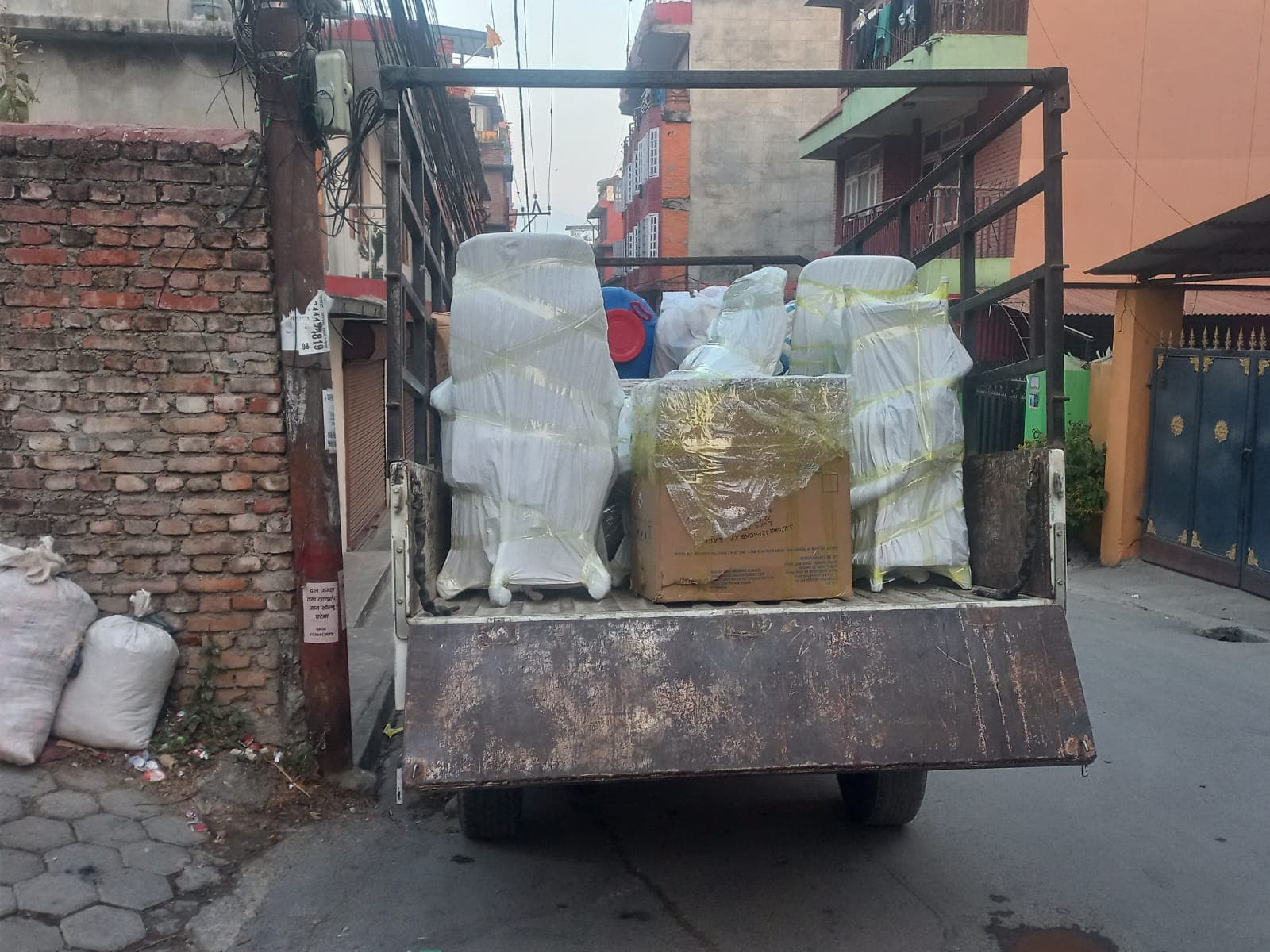
Not every move needs the same kind of company. It's worth asking specifically about experience in your category rather than assuming a general mover covers all of them equally well:
A company like Nepal City Packers and Movers publishes separate service pages for these categories — home shifting, office shifting, and international relocation — which is itself worth checking for any company you're evaluating: a mover that only describes itself in generic terms, without being specific about what each move type actually involves, likely hasn't done many of the more complex ones.
If you want a starting point for comparing quotes, our full service list and branch locations are a reasonable benchmark for what a written scope of work should look like before you sign anything, and our house-shifting checklist and budget saving guide cover the planning side of the move in more depth than this guide has room for.
Keep this list on hand for your first call or site visit:
Knowing what a properly run move looks like helps you spot a rushed or underprepared crew the moment they arrive. A well-organized team typically:
If a crew skips the walkthrough, starts loading before agreeing on anything with you, or treats the job as "grab and go," that's a live signal to slow things down and ask questions — even if you've already signed the agreement.
Even careful people fall into a few repeatable traps:
1. How do I know if a packers and movers company in Nepal is legally registered?
Ask for their company registration number and PAN, then cross-check the registration through the Office of the Company Registrar's online portal at ocr.gov.np. A legitimate company should be able to provide both without hesitation.
2. What is the average cost of house shifting within Kathmandu Valley?
It depends heavily on floor access, distance, and the volume of belongings, ranging from a modest cost for a single room to a significantly higher figure for a full 2–3 BHK house. Always get a written, itemized quote after a proper survey rather than relying on a flat phone-quoted price.
3. Do packers and movers in Nepal provide insurance for damaged goods?
Coverage varies widely. Some companies offer a formal declared-value compensation policy; many smaller operators do not carry real insurance at all. Ask directly and get the answer, along with the claims process, in writing before the move.
4. What is the best time of year to move house in Nepal?
Winter and early spring (roughly December to March) tend to be the most predictable for pricing and scheduling. Dashain and Tihar season is the busiest and needs early booking, while monsoon months carry higher risk for long-distance and hill-route moves.
5. How far in advance should I book movers during Dashain and Tihar?
At least two to three weeks ahead is a safe minimum, since reliable companies get booked out quickly during this period and last-minute options are often the least vetted ones.
6. Can packers and movers handle narrow lanes and buildings without a lift?
Reputable companies can, but it usually affects both price and crew size. Always disclose access details — narrow gallis, no-lift buildings, or limited parking — during the survey stage so it's reflected in the quote, not discovered on moving day.
7. Is it normal to pay the full amount upfront?
No. A partial advance is common practice, but a company demanding full payment in cash before any written agreement exists is a significant red flag.
8. What packing materials should a professional mover use?
Proper corrugated cartons, bubble wrap for fragile and electronic items, and corrugated sheets or padding for furniture corners. Reused sacks or loose blankets with no real protective packing are a sign of a lower-quality operation.
9. How do I compare quotes from different moving companies fairly?
Compare the itemized scope, not just the total price — labor, packing materials, loading/unloading at both ends, disassembly, stairs surcharges, and insurance should all be listed separately so you're comparing like for like.
10. Do movers in Nepal handle international relocation, or only domestic moves?
Not all of them. Domestic room and house shifting is the most common service, while international relocation involves customs documentation and air or sea cargo — a separate skill set that only some companies genuinely offer end-to-end.
11. What should I do if my belongings are damaged during a move?
Document the damage with photos immediately, compare it against the inventory and condition notes you made before the move, and raise the claim with the company in writing as soon as possible, referencing whatever liability terms were agreed beforehand.
12. Are online reviews for Nepali moving companies reliable?
Not always. Look for a steady spread of reviews over time with specific details about the move, rather than a cluster of vague five-star reviews posted within days of each other.
13. How many workers are typically needed for a 2 BHK flat move?
It depends on floor access and furniture volume, which is exactly why a proper in-person or video survey before quoting matters — a company should be able to give you a specific crew-size estimate, not a vague "enough people."
14. Do packers and movers charge extra for stairs if there's no lift?
Many do, especially in older buildings common in parts of Kathmandu and Lalitpur. Ask about this specifically during the quote stage rather than assuming it's included.
15. What documents should I receive before moving day?
A written, itemized quotation and a signed agreement or consignment note covering scope of work, price breakdown, moving date, and liability terms. Avoid proceeding on a purely verbal understanding.
16. Can I get a same-day or last-minute moving booking in Nepal?
Sometimes, especially outside festival season, but last-minute bookings are exactly when the least-vetted operators tend to be the ones still available — apply the same verification steps even under time pressure.
17. Is it cheaper to move during monsoon season?
Pricing doesn't necessarily drop, and the added risk from road conditions on long-distance routes can outweigh any savings. If moving during monsoon is unavoidable, prioritize closed-body vehicles and ask about contingency plans for route disruptions.
18. What's the difference between cargo and courier services for shipping goods within Nepal?
Courier services are generally suited to smaller parcels with faster delivery, while cargo services handle larger volumes and freight, often at a lower per-unit cost but with longer transit times. Confirm which service actually matches your shipment size before booking either.
19. Should I get a video-call survey if the company can't visit in person?
Yes — a detailed video walkthrough is a reasonable substitute when an in-person visit isn't practical, as long as it results in a written, itemized quote rather than a rough verbal estimate.
20. What's the single most important thing to check before hiring a mover in Nepal?
Confirm the business is genuinely registered and get everything — quote, scope, and liability terms — in writing before moving day. Every other check in this guide supports that one habit, and it's the one that prevents the majority of moving disputes in Nepal.

Nepal City Packers and Movers
Share:
Explore Our Range of Moving & Logistics Services

Experience fast and reliable domestic and international courier services with Nepal City Packers and Movers. Secure delivery for all your packages, locally and globally!

Explore additional services by Nepal City Packers and Movers, including loading, unloading, parking assistance, and more. Tailored solutions for all your needs!

Explore reliable two-wheeler transport services by Nepal City Packers and Movers. Safe, secure, and timely bike transportation locally or across Nepal. Contact us today!
 Nepal City Packers and Movers - Banepa, Kavre
 Top Packers and Movers - Bouddha, Kathmandu
 Professional Packers and Movers - Balaju, Kathmandu
 Reliable and Affordable Packers and Movers - Baluwatar, Kathmandu
 Top-Rated Packers and Movers - Maharajgunj, Kathmandu
 Leading Packing and Moving Service | Nepal City Packers and Movers - Durbarmarga, Kathmandu
 Nepal city packers and movers - Lalitpur, Nepal
 Nepal City Packers and Movers - Thimi, Bhaktapur
 Reliable Packers and Movers - Kupandole, Lalitpur
 Affordable and Reliable Packers and Movers - kalanki, Kathmandu