
Loading…
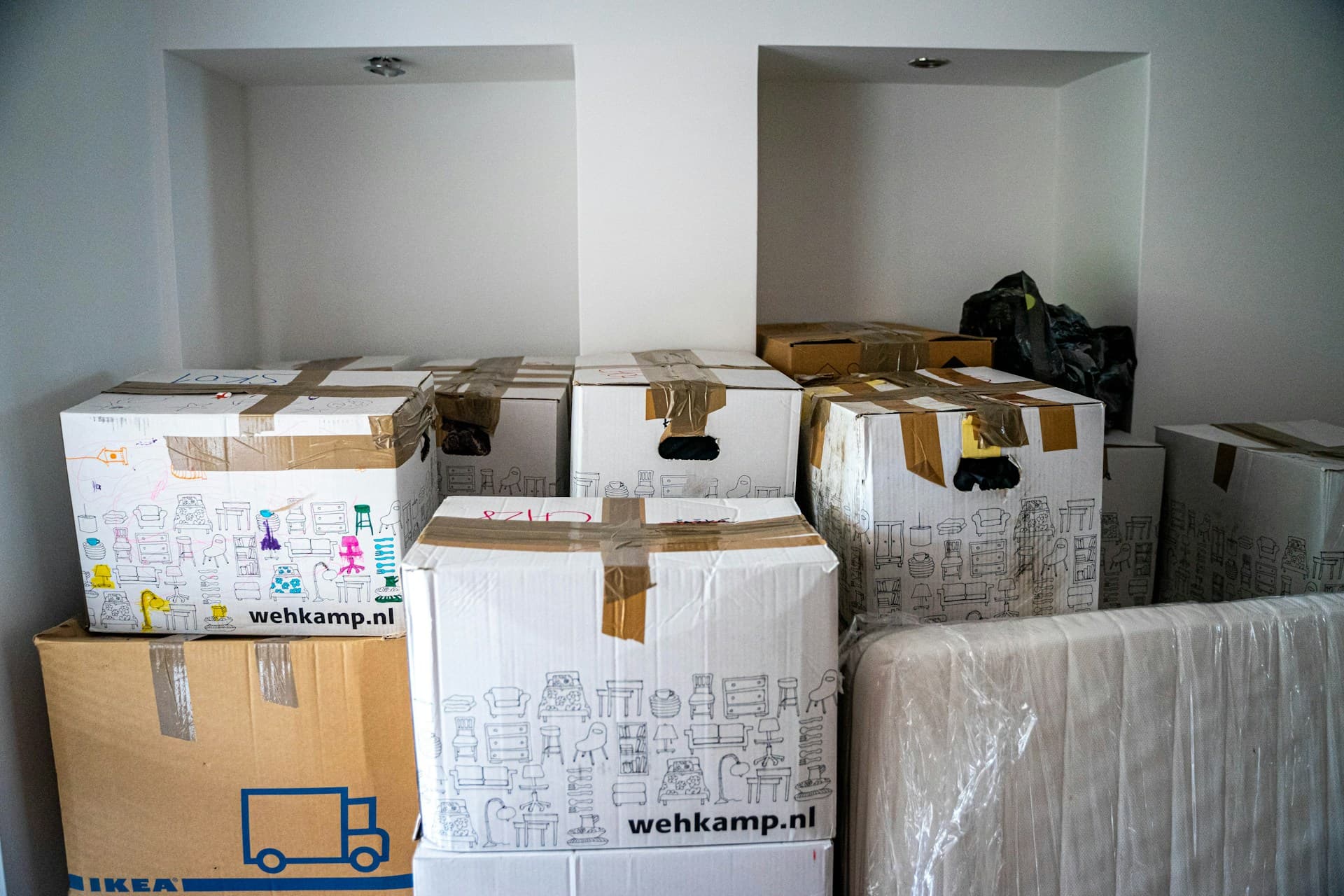
Most people think the hard part of shifting is the truck. It isn't. The hard part is the week before, when you are standing in a half-empty room with a roll of tape, forty boxes, and no idea whether the rice cooker goes in with the plates.
This guide is for that moment. It walks through how to pack for shifting in the order that actually works, then goes deep on the five things people get wrong most often: the kitchen, books, clothes, the TV and the mattress. You will also find the Kathmandu-specific problems that generic guides never mention, such as narrow lanes, stairs without a lift, and rain that arrives right when your boxes are on the pavement.
We are Nepal City Packers and Movers, a packing and moving company based in Kupondole, Lalitpur. Everything below comes from the same habits our crews use on a normal shifting day, written so you can follow them with or without us.
The single biggest mistake in packing for a house move is starting with whatever is closest. People pack the living room first because it is the first room they see, then discover they have buried the things they need daily.
Start with a plan instead. If you want a full room-by-room list to tick off alongside this guide, our house shifting checklist covers the paperwork, utilities and booking side that this article does not repeat.
A realistic timeline depends on the size of your home, but the order stays the same whether you are shifting a single room or a four-bedroom house.
| When | What to do |
|---|---|
| About 3 to 4 weeks before | Sort and clear out what you won't take. Collect boxes and materials. Decide whether you are packing yourself, hiring a crew, or mixing both |
| About 2 weeks before | Start packing the things you use least: books, off-season clothes, decorative items, spare bedding |
| About 1 week before | Pack the kitchen in stages. Keep one plate, one pan and basic cutlery per person out |
| 2 to 3 days before | Pack the bedroom and bathroom. Defrost and dry the fridge. Disassemble furniture if your mover has not offered to |
| Moving day eve | Pack your first-night box and a bag of documents, chargers and valuables to carry yourself |
| Moving day | Final sweep of every cupboard, loft and balcony before the vehicle leaves |
For a room or single flat, compress this to about one week. For a large house, give yourself longer than you think you need, because of the things nobody counted: the drawer of old cables, the loft, the cupboard above the fridge.
| Material | What it is for |
|---|---|
| Small, medium and large sturdy boxes | Books and heavy items in small boxes; light, bulky items in large ones |
| Packing tape (proper box tape) | Sealing every seam, including the bottom |
| Plain, unprinted packing paper | Wrapping dishes and filling gaps. Printed newspaper can leave ink on light surfaces |
| Bubble wrap | Glass, electronics, anything with a delicate surface |
| Marker pens and labels | Labelling room and contents on top and at least two sides |
| Mattress covers or bags | Keeping mattresses clean and dry |
| Furniture blankets or old bedsheets | Wrapping screens, tables and wooden surfaces |
| Zip bags and small containers | Screws, remote batteries, small parts |
Free boxes are fine only if they are strong. A damp box, or one that is soft at the corners, can fail halfway up a staircase.
You have three honest options: pack everything yourself, hand everything to a crew, or split the job. The split option is the most common one in practice. Many households pack the clothes, books and everyday kitchen items themselves, and leave glassware, electronics and furniture to professionals. We compare all three in more detail further down.
Before the first box is taped, make three piles: things you are taking, things you are donating or selling, and things you should not pack at all.
Do not pack hazardous items. Across the moving industry, crews generally will not carry flammable, corrosive or pressurised goods, such as paint, thinners, petrol, aerosols, pesticides and gas cylinders. In a shared vehicle, one leak can ruin every box around it. If you are unsure about an item, ask your mover before moving day, not on it.
Do not pack your valuables. Passports, citizenship certificates, property papers, bank documents, jewellery, laptops, hard drives and medicines belong in a bag that stays with you. Even the best packing cannot replace an original document.
Do not pack perishables. Use up the fridge and freezer in the last week. Cooked food, dairy and fresh vegetables will not survive a day on a vehicle, and a leaking container can stain everything it touches.
Think twice about the rest. The best time to throw away something is before you pay to move it. A useful test: if you have not used it in a year and you would not buy it again today, it probably does not need a seat in the vehicle.
Whatever you are packing, these are the rules underneath how to pack for shifting any room, and they keep boxes intact.
Heavy things in small boxes, light things in big ones. This is the rule that prevents most injuries and most burst boxes. A large box full of books can be too heavy for two people to carry safely.
Keep each box to a weight you can lift comfortably. As a working rule, aim for roughly 15 to 18 kg for heavy boxes, and treat 20 kg as a ceiling. If you can barely lift it, someone is going to drop it.
Fill every gap. Empty space is where things shift and break. Use crumpled paper, towels or soft clothing so that nothing moves when you gently shake the sealed box.
Tape the bottom properly. Run tape along the centre seam and across both edges, ideally in an H pattern. A weak base is how boxes fail in transit.
Label clearly and specifically. Write the destination room and a short description of the contents on the top and at least two sides, such as "Kitchen – plates – fragile – this way up". A box marked only "misc" will be the last one you open.
| Item type | Box size | Rough weight limit | Notes |
|---|---|---|---|
| Books, files, documents | Small | About 15 to 18 kg | Never fill a large box |
| Dishes, glassware | Medium or dish-pack | Comfortable to lift | Individually wrapped, dishes on edge |
| Pots, pans, appliances | Medium | Comfortable to lift | Fill gaps with cloths |
| Clothes, bedding | Large | Light | Squeeze in; use as padding |
| Pillows, soft toys, cushions | Large bags or boxes | Very light | Good for filling space |
| Electronics | Original box if you have it | Varies | Padding on all sides |
If you want a deeper dive into protecting glass, ceramics, mirrors and artwork, we cover it item by item in our guide to packing fragile items safely for shifting.
The kitchen is the most time-consuming room in almost every home, and the one where damage happens most often. It is full of glass, ceramics, sharp objects, liquids and small parts, all in different shapes and weights. Give it more time than any other room, and pack it in stages.
Begin in the highest cupboards, the ones that hold the festival crockery, the extra thermos flasks, the serving dishes, the steel containers from last year. Work your way down to the things you use daily, and leave those until the last two days.
Set aside a small "survival kit" first: a plate, bowl, cup and cutlery per person, one pan, a kettle and a knife. Pack it last, in a labelled box that travels with you.
Plates go in on their edge, never flat. Standing plates vertically spreads pressure along the sturdy rim instead of the thin centre. Wrap each plate in paper, bundle a small stack, wrap the bundle again, and stand it in the box with paper packed underneath and around it.
Glasses and cups need separation. Wrap each one individually, starting at the base and working up. Pack them upright rather than sideways, and put a layer of paper between each. A box with cardboard dividers is far safer than a plain box if you can get one.
Heavy at the bottom, light on top. Put the dinner plates and heavier dishes at the base, with lighter cups and bowls above, and never leave empty space on top. Mark these boxes "Fragile – this way up" on the top and the sides.
Pots and pans are sturdy but heavy, and a common reason kitchen boxes break. Use medium boxes, nest pots inside each other with paper between them, and wrap lids separately.
Pressure cookers are worth a special note. Remove the rubber gasket and pack it inside the cooker, and wrap the pressure weight or whistle separately so it does not get lost.
Sharp tools are a hazard for you and for the crew. Wrap each knife in a thick layer of cardboard or a folded kitchen towel, tape it, and label the bundle. Keep all sharp bundles together in one small box marked clearly, rather than loose among the pans.
Blenders, mixers, toasters and rice cookers go in their original boxes if you still have them. If not, wrap each in paper or bubble wrap, pad the box on all sides, and pack removable parts separately. Tape the cords to the appliance. Treat glass jugs and glass lids as glassware: wrap them on their own.
Take the burner grates and any removable parts off the stove and pack them separately in a medium box. Do not pack a gas cylinder with your household goods: cylinders and regulators are a safety issue, and many movers will not carry a cylinder in a shared vehicle. Talk to your mover about how to handle your cylinder, or arrange to move it separately.
Liquids are the quiet saboteurs of a move: one leaking jar of pickle can ruin a box of plates. Tighten every lid, add a layer of plastic wrap under each cap, and stand bottles upright in a plastic tub or sealed bag. Use up open oils and sauces beforehand, and keep opened packets of flour, lentils and rice in sealed containers.
Empty, defrost and dry the fridge well before the move, ideally a day ahead, because trapped moisture causes mould and extra weight. Remove glass shelves and wrap them individually. For fridges, washing machines and air conditioners, there are extra steps around securing doors, draining hoses and keeping units upright. We cover them in our guide to moving refrigerators, washing machines and ACs safely.
Books are small, but they are the densest thing in most homes. A single large box of books can be too heavy to lift, and a box that is not packed properly can crush spines or burst at the bottom. This is why books are the item where the "small box" rule matters most.
Use the smallest boxes you have for books. Fill them completely, but stop when the box reaches about 15 to 18 kg. If a box is heavier than you can carry for the length of a staircase, take some books out.
A small box usually holds somewhere around 20 books, depending on their size. If you have a very large collection, it is better to use ten small boxes than four large ones.
Hardbacks: Stand them upright with their spines against the side of the box, the way they sit on a shelf. Keep similarly sized books together so tall ones do not lean on short ones.
Paperbacks: Pack them flat in neat stacks, or standing upright if the box is full, but not spine-up and not in a way that bends the covers.
Oversized books: Atlases, art books, albums and coffee-table books should lie flat, in stacks of no more than three or four, with the largest at the bottom.
Never pack books spine-up. It strains the binding and can warp pages.
Fill any space at the top with paper or a towel so the books cannot slide, and mark the box "Books – heavy" so the crew knows to lift with care.
Cardboard absorbs moisture quickly. If you are shifting during the rainy season, or you have books that matter to you, put them in a plastic bag inside the box or use sealed plastic crates instead. A few books that are special to you, such as signed copies, old family volumes or religious texts, are worth wrapping individually in paper.
Do the same for important documents and files: put certificates, property papers and anything irreplaceable in a folder or bag that you carry yourself.
Clothes are the easiest category to pack and the easiest to get lazy about. They are light, they are soft, and they are the best packing material you own. Done well, clothes save you money because they double as padding for fragile items.
Go through every wardrobe and drawer first. Anything you have not worn in a year or that no longer fits can be donated now. Then split the rest into three groups: what you will wear in the next two weeks, off-season clothes, and delicate or formal items.
Pack by person and by type: tops with tops, trousers with trousers, children's clothes in their own boxes. Fold neatly, or roll for shirts and tees, which saves space and reduces creases. Large boxes or sturdy bags work well here, since clothes are light.
Keep everyday clothes for the first few days in a suitcase or bag that travels with you, so you can unpack the next morning without opening a single box.
Suits, coats, school uniforms and formal wear travel best on hangers in a wardrobe box. Without one, group several hangers together, cover them from the bottom with a large bag, and tie the hooks together.
Silk sarees, wedding wear, embroidered kurtas and similar garments should be folded with plain, clean tissue or soft cotton between layers, so that folds do not leave permanent creases and embroidery does not snag. Store them flat in a box, not under heavy items. Avoid wrapping them in plastic for a long time, because it can trap moisture.
Heavy items such as quilts, woollen sweaters, jackets and blankets take up the most space and weigh the least. Vacuum-seal bags can shrink them considerably, and they work well for a move that takes a day or two. For longer storage, check the care label, because some padded and wool fabrics do not like being compressed for months.
Stuff shoes with socks or paper to hold their shape, wrap each pair, and put heavier ones at the bottom. Keep one pair out for moving day.
Wrap a vase in a scarf, tuck socks around a glass, line the bottom of a box with towels. This reduces the number of boxes you need and gives fragile things extra cushioning.
A TV is one of the most expensive items you own, and one of the easiest to break: it is large, it is thin, and its screen cannot take pressure. Fortunately, the rules are simple.
If you still have the box your TV came in, use it. It is made for that exact model, with foam pieces that fit its corners and edges. Manufacturers and retailers consistently recommend it, and the advice is explained well in Home Depot's guide to packing a TV for moving.
If the box is long gone, you have two alternatives: a purpose-made TV box sized to your screen, or a protective wrap using a soft cloth, bubble wrap and furniture blankets.
Do not lay a flat-screen TV on its back. Retailers and movers repeat this rule for a reason: lying flat puts uneven pressure on the panel, and large screens, in particular, do not have the internal support to take it. Keep it standing, with the box wedged against a solid surface, and ask the crew to load it in an upright position, with padding or a mattress next to it so it cannot move. Nothing should lean on it or rest on top of it.
Monitors follow the same rules: upright, padded, screen protected. Soundbars, set-top boxes and consoles can go in their own boxes with bubble wrap, with their cables labelled and packed alongside.
A mattress is large, awkward and expensive to replace. It has no handles and nowhere to put padding, so what protects it is a good cover and careful handling.
| Type | Can it be folded? | Best way to carry and load |
|---|---|---|
| Innerspring or coil | No. Folding can bend or break the coils | On its edge or flat, supported, never folded |
| Hybrid (foam plus coils) | No | Flat or on its edge; heavy, so get help |
| Memory foam or thick foam | Not folded. Foam can crack if sharply creased | Flat where possible; carry on its side only for short distances and lay it flat again quickly |
| Coir, cotton-filled or other types | Follow the maker's advice; when unsure, do not fold it sharply | Cover it well and keep it dry |
If you are unsure, check the manufacturer's care label or the manual, which often explains how to move that specific model. For guidance on moving different mattress types, see Home Depot's guide to moving a mattress.
Use a mattress bag or a cover made for the job. It keeps out dust, dirt and moisture. If you do not have a bag, wrap the mattress in clean sheets or a thick plastic sheet and tape it shut.
One caution: heavy, airtight plastic can trap moisture on a foam mattress, particularly if it will stay wrapped for more than a day. For a short local move, a plastic bag is fine. If the mattress will sit in a vehicle or storage for longer, use a breathable cover or take it out of the plastic as soon as it arrives.
Do not fold it, and do not drag it. Both can damage the inside and the stitching.
Carry it on its long edge. Two people make this much easier. A queen or king may need three people to guide the corners around doors and stairs.
Load it flat or upright against the side of the vehicle. Secure it so it cannot slide or bend, and do not put heavy items on top. A mattress standing against the vehicle wall can also help to hold a TV box in position, but make sure nothing presses on the TV.
Keep it dry. This matters more than it seems in the monsoon. A wet mattress can take days to dry and may develop mould. If it is raining, wait for a break, or arrange covered transport.
Take the frame apart before moving day if you can. Put every screw, bolt and washer into a zip bag, label it with the bed it belongs to, and tape it to the headboard or a slat. Wrap wooden parts in blankets so they do not scratch each other. Bedsheets, pillows and quilts can go in a large bag and serve as padding for other items.
If you are also moving a wardrobe, dressing table or sofa, our team has more on handling heavy items in our furniture moving service guide.
Unwrap the mattress where it will sit, lay it flat on its base, and give foam a few hours to regain its shape. Check for damp patches before putting on bedding.
You do not need a full section for every room, but a few rules save trouble.
| Room or item | What to do |
|---|---|
| Bathroom | Seal bottles in zip bags, pack toiletries upright in a plastic tub, and keep a towel and soap in your first-night box |
| Bedroom | Pack drawers separately, or empty them if the furniture is heavy; wrap mirrors and frames; keep chargers in your bag |
| Living room | Wrap table glass and decorative items; take lampshades off and pack them separately; roll rugs and tie them |
| Study | Label every cable; back up laptops and drives; keep important files with you |
| Wall frames and mirrors | Corner protectors, bubble wrap, stand on edge |
| Plants | Many movers avoid live plants, so plan to carry them yourself |
Every family should pack one: toilet paper, soap, towels, phone chargers, bedsheets, pillows, medicines, a torch or lamp, a few snacks, tea or coffee, a kettle, cups, and a change of clothes for each person. Label it "Open first" and keep it with you.
Generic packing guides are written for wide roads and elevators. Shifting in Kathmandu Valley comes with problems of its own, and a good plan accounts for them.
June to September is treated as Nepal's monsoon season, and the Department of Hydrology and Meteorology's monsoon onset and withdrawal records put the normal dates at about 13 June and 2 October. Some years it arrives earlier or leaves later, so do not assume early October is dry.
If you are shifting during these months:
If you have flexibility on the date, our guide on the best time of year to move in Nepal walks through the trade-offs between seasons, festivals and traffic.
Many streets in Kathmandu and Lalitpur are too narrow for large vehicles to enter. This means goods may need to be carried over a longer distance from the vehicle to the door, and your crew may need to use a smaller vehicle. Tell your mover about the access when you get your quote, and check where the vehicle can legally and safely stop.
If there is no lift, the number of floors affects how much labour the move takes. Tell your mover how many flights of stairs there are at both locations. Measure large items such as wardrobes, fridges, sofas and mattresses against doors and corners before moving day.
Learning how to pack for shifting yourself is completely doable, and plenty of people do it well. But it is not always the best use of your time or money.
Pack yourself if: you have a small home, a flexible schedule, mostly durable items, and friends or family who can help. Starting early and following the rules above will get you most of the way.
Hire a crew for some or all of it if: you have a lot of glass, electronics, artwork or heirlooms; you are short of time; you are shifting a large house; you have physical limits; or you have never packed a TV, a mirror or a wardrobe before.
The hybrid approach works for many households: you pack the clothes, books and general kitchen items, and professionals handle the fragile and heavy ones. It saves money without taking risks on the items that would hurt most to lose. If you are weighing this up, our comparison of full-service and self-pack moving sets out what each option includes and what to ask before you decide.
Cost is usually the deciding factor, and it depends on distance, volume, floors, access, packing and the number of crew. Our breakdown of house shifting costs in Kathmandu explains what typically goes into a quote, so you can compare offers fairly.
Whichever route you choose, ask your mover one question: what happens if something breaks? Damage policies differ, and items you pack yourself may be treated differently from items the crew packs. It is far better to know before moving day than after.
For a calm settling-in plan, including the practical tasks that usually get forgotten in the first week, read our guide on what to do right after moving in.
Most mistakes in how to pack for shifting come down to timing, weight and moisture, and almost all of them are avoidable.
For the full picture of what typically goes wrong, and how to avoid it, see our guide to home shifting mistakes to avoid.
1. How to pack for shifting if I have never done it before?
Make a plan first: sort what you are taking, gather boxes and tape, then pack the things you use least. Work one room at a time, label every box, and leave daily-use items for the last two days.
2. How early should I start packing for a house move?
For a full house, three to four weeks before moving day is comfortable. For a room or small flat, about a week is usually enough. Start earlier if you have many fragile items or a large book collection.
3. What should I pack first when shifting?
Books, decorative items, spare bedding, off-season clothes and rarely used kitchen items. Keep everyday clothes, daily cookware and bathroom essentials for the last few days.
4. What is the best way to pack a kitchen for moving?
Pack in stages, starting with items you rarely use. Wrap plates and glasses individually, stand plates on their edge, use small boxes for heavy cookware, and pack liquids upright in sealed containers. Wrap knives in cardboard.
5. How do I pack plates and glasses so they don't break?
Wrap each piece in plain packing paper, stand plates vertically, keep glasses upright with paper between them, cushion the bottom of the box, and fill every gap. Label it "Fragile – this way up".
6. How should I pack books for moving?
Use small boxes and keep each to roughly 15 to 18 kg. Stand hardbacks upright with spines against the box wall, lay oversized books flat, and never pack books spine-up.
7. How many books can go in one box?
A small box usually holds about 20 books, but weight matters more than count. Stop filling when the box becomes heavy, and remove books if you cannot lift it comfortably.
8. What is the best way to pack clothes for shifting?
Sort first, then pack by person and type. Fold or roll everyday clothes into large boxes or bags, keep hanging clothes in a wardrobe box, and wrap delicate garments in tissue. Keep a few days of clothes in a bag with you.
9. Should I use vacuum bags for clothes when moving?
They suit bulky items such as quilts, jackets and sweaters on a move that takes a day or two. For long-term storage, check care labels, since some fabrics dislike months of compression.
10. Can I pack clothes with fragile items?
Yes. Soft clothes, towels and scarves make excellent padding around glass and ceramics, as long as the box is firm, nothing can shift, and it is labelled fragile.
11. How do I pack a TV for shifting?
Use the original box if you have it. Otherwise, put a soft cloth over the screen, wrap the TV in bubble wrap or a blanket, protect the corners, and use a snug TV box. Pack cables and remotes separately.
12. Can I lay a TV flat while moving?
It is best not to. Flat-screen TVs are designed to stay upright, and lying flat can put uneven pressure on the panel. Keep it standing, supported and secured, with nothing resting on it.
13. Can I move a TV without the original box?
Yes. Put a soft cloth on the screen, wrap the TV in bubble wrap and blankets, protect the corners, and use a TV box or keep it upright and well padded in the vehicle.
14. How do I move a mattress without damaging it?
Use a clean mattress cover, do not fold or drag it, and carry it on its long edge with at least two people. Load it flat or upright against the vehicle wall, keep it dry, and put nothing heavy on top.
15. Can I fold a mattress to fit it in a vehicle?
Not safely. Folding can bend or break coils in innerspring and hybrid mattresses, and sharp creases can crack foam. If it does not fit, use a larger vehicle.
16. Should I wrap a mattress in plastic?
A cover or plastic bag keeps out dust and rain, which suits most moves. With foam, avoid leaving heavy airtight plastic on for long, because trapped moisture can cause problems. Unwrap it on arrival.
17. What items should I not pack when shifting?
Do not pack flammable or hazardous items such as paint, petrol, aerosols or gas cylinders, or perishable food. Keep passports, citizenship papers, property documents, jewellery, laptops, cash and medicines with you.
18. How to pack for shifting during the monsoon?
Put books, bedding, electronics and papers in plastic bags or sealed tubs inside the boxes, cover the whole load with tarpaulin, and plan loading around breaks in the rain. Replace weak or reused cardboard boxes.
19. Is it worth hiring packers to pack for me?
It is worth it for a large home, many fragile items, limited time or physical limits. Many households pack general items themselves and let professionals handle glassware, electronics and furniture.
20. How can I get packing help from Nepal City Packers and Movers?
Message us on WhatsApp at +977 9851364869 with your location, home size, number of floors and the items you worry about most, and we will explain the options for packing, loading, transport and unloading.
Whether you are still learning how to pack for shifting or you would rather a crew take over, packing is easier when you know exactly what you are dealing with. If you have a TV to move, a kitchen full of glass, a library of books or a heavy mattress that needs care, send us a message with the details.
Tell us where you are shifting from and to, the type of home, the number of floors, whether there is a lift, and anything fragile, and we will tell you what we can pack, what we suggest you pack yourself, and what to prepare before moving day. If you would like to see what we offer for homes, our home shifting services in Kathmandu page explains the options.
Message us on WhatsApp: +977 9851364869
We are based in Kupondole, Lalitpur, and we are happy to answer questions even if you decide to pack everything yourself.
Guidance on packing, mattresses and TVs is general advice. Always follow the manufacturer's instructions for your specific mattress or TV, and confirm your mover's policies and prices directly before booking.

Nepal City Packers and Movers
Share:
Explore Our Range of Moving & Logistics Services

Experience fast and reliable domestic and international courier services with Nepal City Packers and Movers. Secure delivery for all your packages, locally and globally!

Explore additional services by Nepal City Packers and Movers, including loading, unloading, parking assistance, and more. Tailored solutions for all your needs!

Explore reliable two-wheeler transport services by Nepal City Packers and Movers. Safe, secure, and timely bike transportation locally or across Nepal. Contact us today!
 Nepal City Packers and Movers - Banepa, Kavre
 Top Packers and Movers - Bouddha, Kathmandu
 Professional Packers and Movers - Balaju, Kathmandu
 Reliable and Affordable Packers and Movers - Baluwatar, Kathmandu
 Top-Rated Packers and Movers - Maharajgunj, Kathmandu
 Leading Packing and Moving Service | Nepal City Packers and Movers - Durbarmarga, Kathmandu
 Nepal city packers and movers - Lalitpur, Nepal
 Nepal City Packers and Movers - Thimi, Bhaktapur
 Reliable Packers and Movers - Kupandole, Lalitpur
 Affordable and Reliable Packers and Movers - kalanki, Kathmandu