
Loading…

You are standing in your new room. The boxes are in, the crew is waiting for payment, and you notice it: a cracked TV screen, a wardrobe door hanging off its hinge, or a box that rattles when it should not.
That moment is stressful, and the next ten minutes matter more than most people realise. What you do, what you photograph, what you say and what you sign will shape how the rest of the conversation goes.
This guide answers one question properly: what happens if something breaks during a move? It covers what to do in the first few minutes, how to document damage, who is usually responsible, how repair and replacement are normally handled, where insurance fits in, and how to stop it happening again. It is written with Kathmandu Valley in mind, where narrow lanes, stairs without lifts and rented rooms make moving harder than a brochure suggests.
One honest note first. Moving agreements, insurance policies and legal rights differ from case to case, so treat this as practical guidance rather than legal advice. Where the details matter, such as a very valuable item or a dispute you cannot resolve, get advice that fits your situation.
If something breaks during a move, this is the sequence that works best:
Everything below explains why each step matters and how to handle the harder situations.
Understanding the cause helps in two ways. It tells you who is likely to be responsible, and it tells you how to avoid a repeat. Most breakage during a room or house shift falls into a handful of patterns.
| Cause | What it looks like | Usually preventable by |
|---|---|---|
| Weak or missing packing | Dishes cracked, items rattling, crushed boxes | Proper material, padding, filling gaps |
| Overloaded or badly stacked boxes | Bottom boxes crushed, tipped furniture | Light-on-top loading, sensible stacking |
| Rough handling | Dents, scratches, chipped corners | Trained crew, protective blankets |
| Narrow access and stairs | Scraped walls and frames, dropped items | Measuring routes, planning the carry |
| Furniture not dismantled | Broken legs, split joints, bent frames | Taking apart beds, tables and wardrobes |
| Appliances not prepared | Leaks, damaged drums, loose parts | Draining, securing, following the manual |
| Pre-existing weakness | Old wood splitting, loose joints giving way | Honest inspection before the move |
| Weather | Wet mattresses, swollen cardboard | Covers, plastic sheets, dry-day timing |
| Poor communication | Fragile items placed under heavy ones | Briefing the crew before loading |
Notice that few of these are bad luck. Most are decisions, and many of them are made before the vehicle arrives.
The first minutes set the tone. Stay calm, even if you are annoyed. A clear, factual approach gets better results than an argument on the doorstep.
If you notice damage while items are still coming off the vehicle, ask the crew to pause with that item where it is. Moving it around makes it harder to see how the damage happened.
Photograph the damage from several angles, then take a wider shot showing where the item is and what is around it. Film a short clip walking around it. Include the packaging, the labels and any marks on the box. If the box itself looks crushed or wet, photograph that too.
Say it plainly: "This item is damaged, and I would like it recorded." You do not need to accuse anyone. You need the damage noted while the crew is still present.
If you are asked to sign a delivery or completion note saying everything arrived in good condition, either write the damage on it or hold off signing until you have checked. Signing without noting a problem can make a later discussion harder.
One broken item often means others are affected. Before the crew leaves, scan the rest of the load, especially anything fragile, any appliance and anything that was near the damaged item. It is far easier to raise ten minutes of checks on the day than a week later.
You can acknowledge that the work was done and still say that a damage matter is open. How and when you pay is something to settle according to the terms you agreed beforehand. If you are unsure, ask the company what its process is. The point is to keep the damage on the record while everyone is still there.
A claim is only as strong as what backs it. You do not need a lawyer's file, but you do need a clear set of basics.
| Evidence | Why it helps | Where to find it |
|---|---|---|
| Photos and video of the damage | Shows the condition on arrival | Take them on the spot |
| Photos of the item before the move | Shows it was fine earlier | Your phone gallery, old messages |
| Receipt or invoice | Shows price and date of purchase | Email, shop bill, warranty card |
| Model and serial number | Identifies the exact product | Label on the back or base |
| Written quote or booking message | Shows what was agreed | Chat, email, SMS |
| Inventory list | Shows what was handed over | List you made or the crew's list |
| Notes on paperwork | Shows you reported the damage on the day | Delivery or completion note |
| Repair estimate | Shows the cost to fix | A local technician or workshop |
If you did not photograph your things before the move, do not panic. Old photos from phone galleries, family messages and social media often show furniture and electronics in the background.
This is the question behind the question. The honest answer is: it depends on the cause and on what was agreed.
In general terms, responsibility tends to follow control. If the crew packed, handled and loaded an item and it arrived damaged, the company that took on that work is usually the one expected to deal with it. If you packed it yourself and the box was handled normally, the discussion becomes more complicated. If the item was already fragile or weakened, that matters too.
Here are common situations and how they are typically approached.
| Situation | What usually matters |
|---|---|
| Crew packed the item and it arrived broken | The company's role in packing and handling |
| You packed the box, and it arrived broken | Whether the box was packed to a reasonable standard and handled with care |
| Item dropped or knocked during carrying | Evidence of handling, such as photos or witnesses |
| Furniture split along an old crack | Whether the weakness was visible before the move |
| Appliance not working after transport | Whether it was prepared properly and worked before |
| Damage to a wall, lift or staircase | Who was carrying, and the building's terms |
| Damage caused by rain or wet roads | Whether covers and protection were used |
| Item you told the crew to leave unpadded | Instructions given and who gave them |
Notice how often the answer turns on proof and prior agreement. That is why the evidence step matters, and why the written quote matters even for a small room shift.
Some damage cannot be seen until you use the item. A fridge that does not cool, a TV with lines on the screen, a laptop that will not start, or a drawer that only shows its crack once it is opened are all common examples.
If you discover damage later:
This is a strong reason to unpack and test electronics, appliances and fragile items within the first day or two, rather than leaving boxes sealed for weeks.
A calm, factual message beats a long complaint. Write it so that someone who was not there can understand it. You can adapt this outline:
Subject: Damage report for move on [date]
Hello [name], I am writing about my move on [date] from [old place] to [new place]. During unloading, I noticed that [item] is damaged: [brief description]. I have attached photos and video taken on [date]. I noted this to [crew member] at [time].
The item is [brand/model], purchased on [date] for approximately [amount]. I would like to discuss [repair / replacement / compensation].
Please let me know how you would like to proceed and what you need from me.
Send it by message or email so there is a time stamp. If you also speak on the phone, send a short written summary afterwards, such as: "As discussed, we agreed that..." That summary becomes your record.
Depending on the item, the cause and the company, the outcome usually falls into one of a few options. A company may offer one or a mix, so it helps to understand them.
Repair. Sensible for furniture with a broken leg, a loose joint or a cosmetic scratch. Ask who arranges it, who pays and how long it will take. For quality, ask whether the repair will be done by someone suitable for that type of item.
Replacement. More likely when the item cannot be repaired or the repair would cost more than the item is worth. Be clear whether replacement means the same model, an equivalent or a cash value.
Cash compensation. Often based on the value of the item rather than the cost of buying a new one. This is where depreciation comes in. A five-year-old wardrobe is not usually valued as if it were new.
Partial settlement. For minor damage, such as a small dent on a metal cabinet, people sometimes agree on a smaller amount rather than a full repair.
Nothing. If evidence shows the damage came from a pre-existing fault or something outside the company's role, you may be told it is not covered. If you disagree, ask for the reason in writing and respond calmly with your own evidence.
Whatever is agreed, get it in writing: what, how much, who and by when.
Valuation is where most disagreements happen, so it helps to know how it generally works.
| Approach | How it works | When it is common |
|---|---|---|
| Repair cost | The estimated cost of fixing the item | Repairable damage |
| Current value | Value of the item today, accounting for age and use | Older items that cannot be repaired |
| Replacement cost | Cost of buying the same or similar item new | Where the agreement or insurer provides for it |
| Agreed value | A value declared in advance and written down | High-value or special items |
If you own something valuable, such as an expensive TV, a piece of art or an instrument, tell the company before the move and note it on the paperwork. Declaring value in advance prevents arguments later, and it allows both sides to decide how the item should be packed and handled.
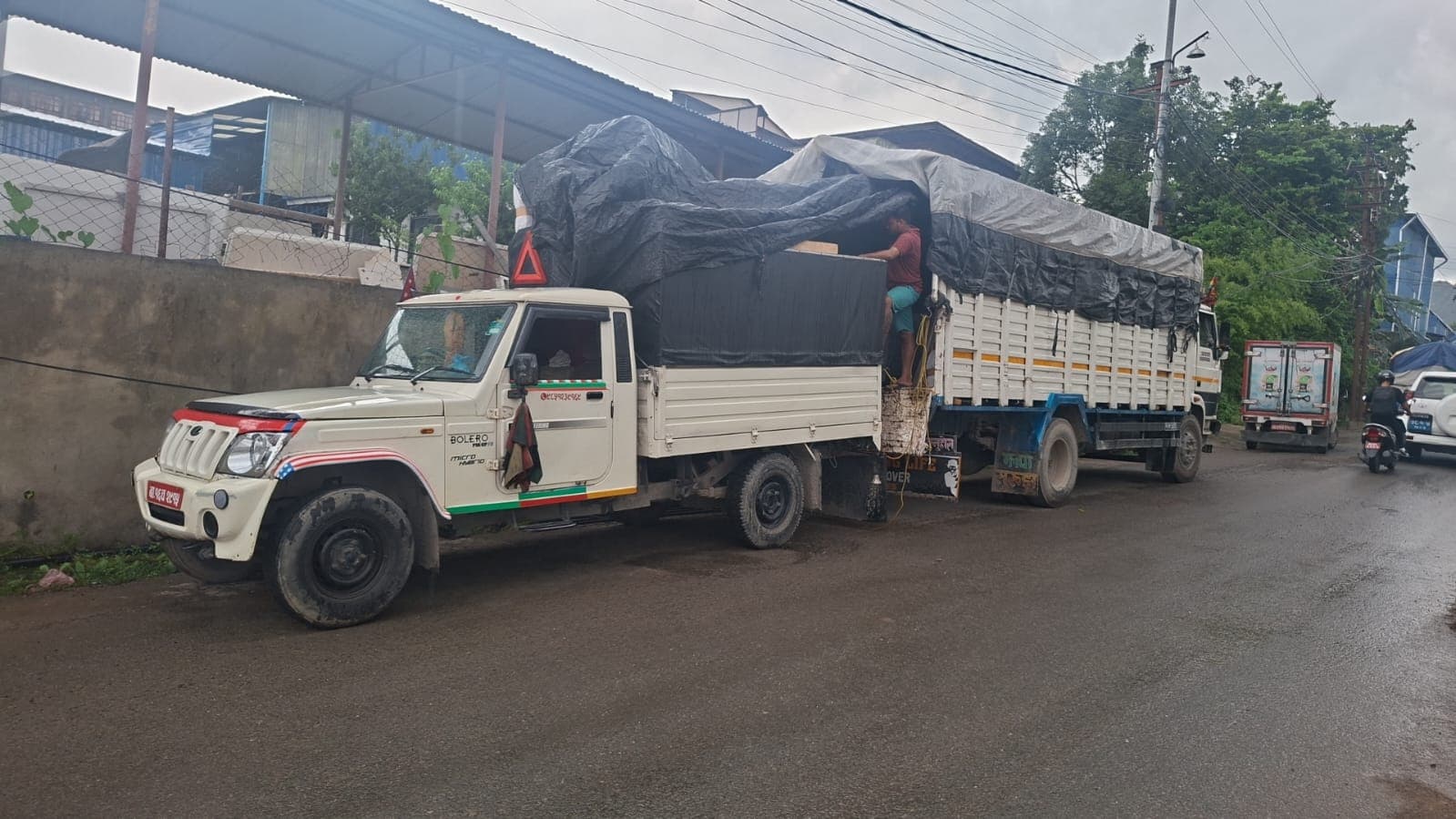
Insurance is the part people think about least until something breaks. There are a few places it might apply, and the right question to ask is "what exactly does this cover?"
The moving company's cover. Some companies offer protection for goods during transit, and some do not. Ask directly what is covered, what is excluded, what the limits are and how a claim is made. Get the answer in writing.
Your own policy. Some home, contents or goods-in-transit policies may include items being moved. Check with your insurer. Do not assume.
Specific item cover. For high-value items, such as electronics, jewellery or art, separate cover can make sense.
Check the insurer. If you are buying insurance, use a company licensed in Nepal. The Nepal Insurance Authority is the regulator responsible for supervising the insurance business in the country and for protecting policyholders' interests, and its site is the place to confirm who is regulated. Its introduction page explains its role.
Before you rely on insurance, find out about excess amounts, exclusions for fragile items, time limits for reporting and what proof the insurer requires. Those details decide whether a claim succeeds.
Appliances are the items most likely to cause confusion, because "it does not work" can mean many things. A few practical points help.
Refrigerators. Check the exterior for dents and the doors for alignment. Remember that a fridge usually needs to stand upright and rest for some hours before being plugged in, and your manual will give the right time for your model. Switching it on too early is a common reason people think the fridge broke in transit.
Washing machines. Look for leaks, cracked hoses and damage to the drum or the door. If the model has transit bolts and they were not used, that is worth noting.
Televisions and monitors. Check the screen with the device switched on, not just visually. Take a photo of any lines, spots or cracks right away. Screens are fragile, and they should always travel upright with padding.
Air conditioners and geysers. These often need a technician to disconnect and reinstall. If an installation was carried out by a third party, the damage question can become more complicated.
Computers and small electronics. Switch them on soon after unpacking and photograph any fault. Keep the original packaging if you can.
If you are preparing for a move, the guide on moving refrigerators, washing machines and ACs safely covers the preparation steps that prevent most of these problems.
Furniture is bulky, so it is where handling problems show most. Check these points after unloading:
Furniture that was dismantled before the move should be reassembled and checked for missing screws or fittings. If fittings go missing, mention it straight away. It is much easier to sort out on the same day.
If you are moving a single room, a company that offers dedicated room shifting services is more likely to plan dismantling, protection and loading for small spaces, which reduces the chance of damage in the first place.
Not all damage is to your belongings. Furniture can scrape a stairwell wall, mark a lift or break a gate. In rented properties, this can also affect your deposit.
Telling the landlord openly usually leads to a smoother outcome than a deduction you did not expect.
Most breakage is sorted out through conversation. Sometimes it is not. If you and the company disagree, these steps tend to help.
Keep the tone civil. Moving companies depend on their reputation, and most would rather settle a fair claim than argue.
Prevention costs less than any claim. If you are planning a move, or helping someone who is, these steps do the most.
Before the move
Packing
On the day
When you are asking yourself what happens if something breaks during a move, part of the answer is decided before you ever book. How a company talks about damage before the job tells you a lot about how it will behave after.
Questions worth asking any company you are considering:
A clear answer is a good sign. A vague one is information too. If you are searching for packers and movers in Kathmandu, give each company the same details and compare how they respond. You can look at how we work across the Valley and the range of moving services we offer, and ask us the same questions you would ask anyone else.
Offices have computers, servers, printers and documents. Damage costs include downtime as well as repair. Ask about label systems, how equipment is packed and who is responsible for disconnecting and reconnecting devices. If you are planning one, explore office shifting services built around minimal interruption.
Vehicle damage needs its own paperwork. Photograph the bike from all sides before it is loaded, note existing scratches and record the fuel level and odometer reading if you can. Carry your documents and keys yourself. If you want it moved with your belongings, ask about two-wheeler transport, and agree in advance who handles loading and unloading.
Longer journeys mean more vibration, more handling and more time in transit. Packing needs to be more robust, and the claim process should be clear before the vehicle leaves. Ask how long a damage report can be made after delivery.
If you are moving fast, you have less time to photograph and pack. Spend a few minutes on your most valuable and fragile items, and take video of your room as it looks before loading.
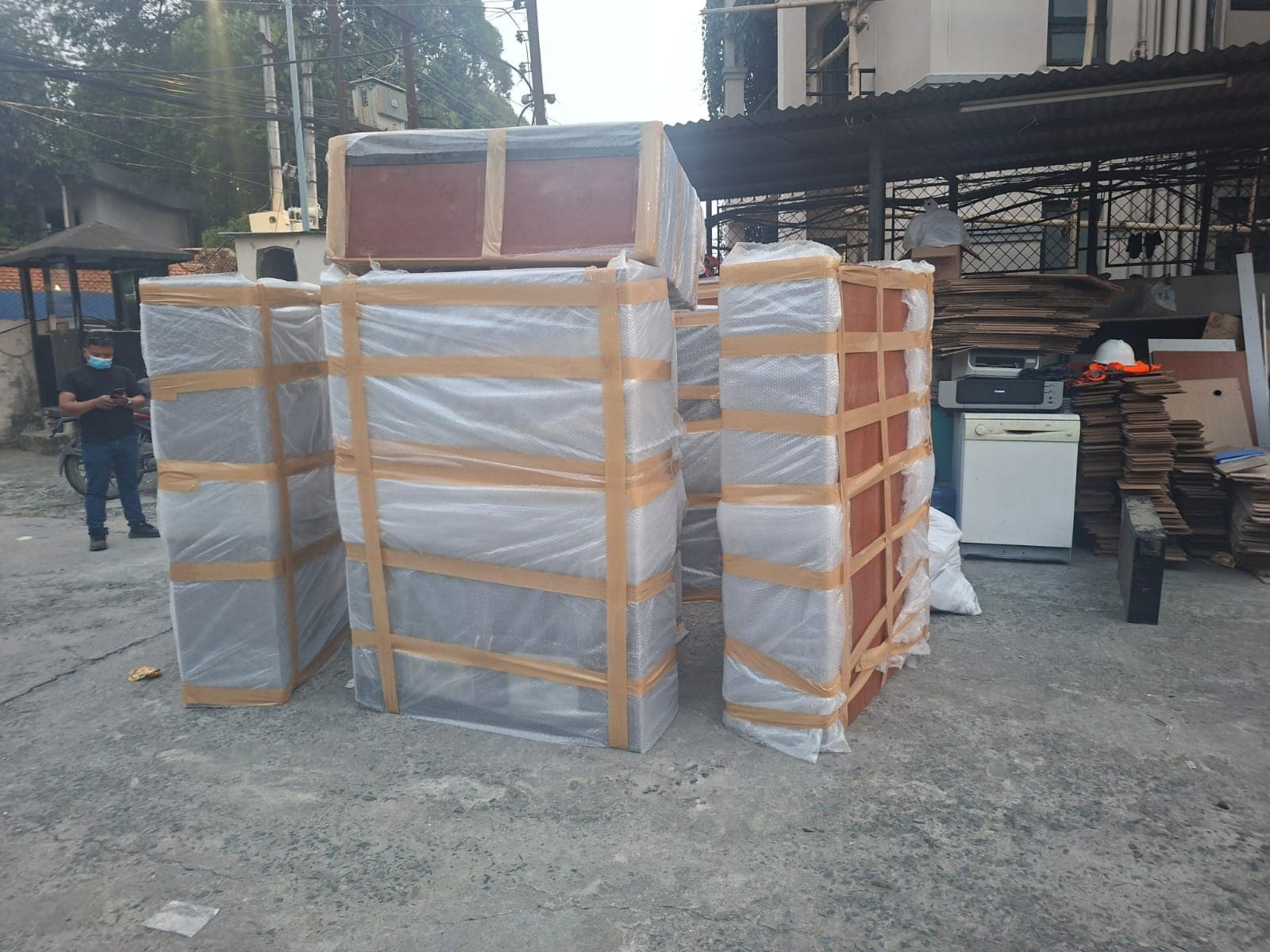
You should document the damage, report it to the crew and the company immediately, note it on any paperwork before signing, and gather proof of value. The company may then offer repair, replacement or compensation depending on the cause, the item and what was agreed.
It depends on the cause and the agreement. If the crew packed, handled or loaded the item and it arrived damaged, the company is generally the one expected to address it. If damage came from a pre-existing weakness or from something you packed and the box was handled normally, the discussion is more complicated. Written terms make this much clearer.
Stop, photograph and film the damage, tell the crew leader and note it on the paperwork. Do not move or repair the item until you have recorded its condition.
Write the damage on the receipt before signing, or hold off signing until you have checked. Signing a clean receipt without noting an issue can make a later claim harder.
That depends on the terms you agreed. Many people choose to settle the work as agreed while recording that a damage matter is open and being resolved. If you are unsure, ask the company how it handles this and get the answer in writing.
Report it as soon as you find it, ideally the same day. Some companies and insurers have specific time limits, so ask about them before the move. The longer you wait, the harder it is to show that the damage happened in transit.
Report it immediately, explain when and how you found it, and provide photos, video and proof of value. Do not attempt repairs first. Unpacking and testing fragile items and electronics early reduces the chance of late surprises.
Photos and video of the damage, photos of the item before the move if you have them, a receipt or invoice, the model or serial number, the written quote or booking message, and any note you made on the delivery paperwork.
Any of these may be offered, depending on the item and the situation. Repair suits furniture and minor damage. Replacement or cash value suits items that cannot be fixed economically. Ask for the proposal and the timeline in writing.
Commonly by repair cost, by current value after allowing for age and use, or by replacement cost if the agreement or insurance provides for it. Declaring the value of high-value items before the move avoids arguments later.
It may, but it depends entirely on the policy. Check whether the moving company offers any cover, whether your own home or contents policy includes items in transit, and what the exclusions and limits are. Always read the terms.
No. They are separate arrangements with their own terms, limits and claim processes. Ask what each one covers so you know where you stand.
Check whether the appliance was prepared properly before the move. Fridges usually need to stand upright and rest for some hours before being plugged in, and washing machines need draining and securing. Document any visible damage or leaks, and have a technician assess a fault if there is one.
Photograph it immediately with the TV switched off and then on, and report it to the crew leader and the company right away. Keep the box and packaging, and gather proof of purchase and model number.
Say so in advance, if you can, and let the crew know so they can take extra care. Pre-existing weakness can affect who is responsible, so photographs of its condition before the move are valuable.
Report it straight away to the landlord or management and the company. Photograph the damage and the area before and after, and ask who is responsible according to your agreements. Handling it openly usually helps with deposits and relationships.
It is usually better to record the damage, agree the next steps in writing and keep the conversation calm. Blocking a crew or escalating a dispute on the doorstep rarely helps. If there is serious disagreement, focus on documenting and following up.
Ask for the reason in writing, and respond with your evidence. A neutral assessment from a technician, or advice from someone knowledgeable, can help. For high-value cases, consider legal advice or a relevant consumer authority.
Make an inventory with photos, declutter, measure access, pack properly and label fragile boxes. Brief the crew before loading and stay present during loading and unloading. Choose a company that explains how it handles fragile items and damage.
What is the process for reporting damage, whether any transit cover exists and what its limits are, who packs fragile items, whether furniture is dismantled and reassembled, what documents you need to provide for a claim, and whether you can have everything in writing. If you are still asking yourself what happens if something breaks during a move, the clearest answer is the one a company gives before the job starts.
Nobody plans for something to break, but a good plan makes it much less likely and much easier to handle if it does. The best protection is a clear conversation before the move: what you are moving, how fragile it is, how access looks and what happens if there is a problem.
At Nepal City Packers and Movers, we would rather answer those questions before moving day than after. Tell us what you are moving, the floors involved, any fragile or valuable items, and when you need to shift, and we will help you plan.
Talk to us on WhatsApp: +977 9851364869
Send a short message with your current location, your new location and a rough list of what you are moving, with photos of anything fragile or valuable if you have them.

Nepal City Packers and Movers
Share:
Explore Our Range of Moving & Logistics Services

Experience fast and reliable domestic and international courier services with Nepal City Packers and Movers. Secure delivery for all your packages, locally and globally!

Explore additional services by Nepal City Packers and Movers, including loading, unloading, parking assistance, and more. Tailored solutions for all your needs!

Explore reliable two-wheeler transport services by Nepal City Packers and Movers. Safe, secure, and timely bike transportation locally or across Nepal. Contact us today!
 Nepal City Packers and Movers - Banepa, Kavre
 Top Packers and Movers - Bouddha, Kathmandu
 Professional Packers and Movers - Balaju, Kathmandu
 Reliable and Affordable Packers and Movers - Baluwatar, Kathmandu
 Top-Rated Packers and Movers - Maharajgunj, Kathmandu
 Leading Packing and Moving Service | Nepal City Packers and Movers - Durbarmarga, Kathmandu
 Nepal city packers and movers - Lalitpur, Nepal
 Nepal City Packers and Movers - Thimi, Bhaktapur
 Reliable Packers and Movers - Kupandole, Lalitpur
 Affordable and Reliable Packers and Movers - kalanki, Kathmandu