
Loading…
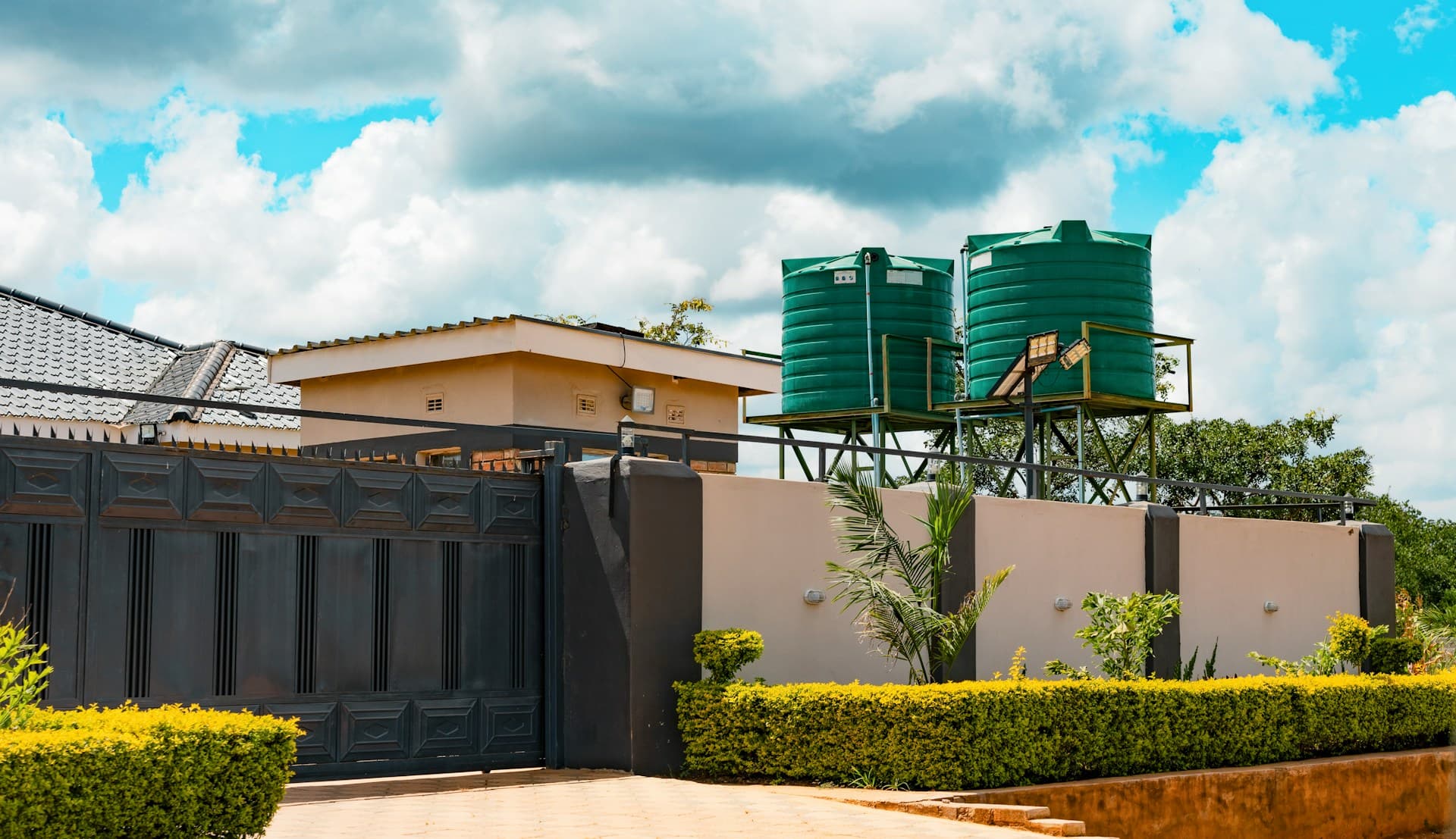
Most households in Nepal never see the inside of their water tank. The water comes out of the tap, it looks fine, and the tank sits on the roof or under the ground doing its quiet job year after year.
Then one day the water smells slightly off. Or a layer of fine silt appears at the bottom of a bucket. Or you move into a new home and realise nobody can tell you when the tank was last cleaned.
That is usually the moment people start searching for water tank cleaning services and discover how many questions there are. How often should a tank be cleaned? Can you do it yourself? What does a professional actually do? Is it safe to enter an underground tank? How do you know the job was done properly?
This guide answers those questions in plain language, with Kathmandu Valley and Nepali households in mind. It covers why tanks get dirty, the warning signs to watch for, how professional cleaning works, what you can and cannot safely do yourself, how to choose a company and what to do after the job. If you are also planning a move, there is a section on checking the tank before you move in or out of a home.
One note on scope. This is general guidance on hygiene and maintenance. It is not a laboratory result or medical advice, and it cannot tell you whether your particular water is safe to drink. If you have concerns about your water, a water quality test is the only way to know.
Water tanks are designed to store water, not to keep it clean on their own. Over time, several things build up.
Sediment and silt. Water from the supply, from tankers or from boring wells often carries fine particles. These settle to the bottom of the tank and form a layer of sludge. The longer the tank goes uncleaned, the thicker the layer becomes.
Algae and biofilm. Where light and warmth reach the water, algae can grow. A slimy film can also form on the inside walls, even in dark tanks.
Dust, insects and debris. Poorly fitted lids, open vents or cracks let in dust, leaves, insects and small animals.
Rust and corrosion. Metal tanks, fittings and pipes can corrode over time, adding particles and affecting taste and colour.
Stagnation. Water that sits for long periods without turning over is more likely to develop odours and growth. This matters in homes where the tank is oversized for the household or where water is stored for days.
Contamination from the source. The cleanliness of the tank is only one part of the picture. If the incoming water is contaminated, a clean tank does not fix that.
In the Kathmandu Valley, many homes and buildings store water in an underground tank or sump and also in a rooftop tank, because supply is not always continuous. The Kathmandu Upatyaka Khanepani Limited, known as KUKL, is the main water utility in the Valley. Storage is a practical response to uneven supply, but it also means your tank is the last stop before the tap, and its condition matters.
A dirty tank is not just unpleasant. It affects the water you use for drinking, cooking, bathing and washing.
Nepal's own health research points to water quality as a significant public health concern. A study published through the Nepal Health Research Council notes that contaminated drinking water is a major risk factor for diarrhoeal disease in Nepal, and identifies poor sanitation, waste dumping, poor drainage and irregular supply as reasons water becomes polluted. Tank cleaning does not solve all of these problems, but it removes one avoidable source of contamination inside your own home.
Beyond health, there are practical reasons.
You do not have to wait for an obvious problem. Still, these signs suggest it is time.
| Sign | What it may mean |
|---|---|
| Musty, earthy or stale smell | Sludge, algae or stagnant water |
| Cloudy or discoloured water | Suspended sediment, rust or growth |
| Visible particles or grit | Sediment settling from the tank |
| Slimy walls or green patches | Algae or biofilm |
| A layer of silt at the bottom of a bucket | Sludge build-up in the tank |
| Reduced flow or blocked filters | Sediment reaching pipes or filters |
| Insects, larvae or debris in the tank | Gaps in the lid or vents |
| You do not know when it was last cleaned | A good enough reason on its own |
| Recent construction, repairs or flooding nearby | Extra dust and debris may have entered |
If you see several of these at once, do not wait. Avoid drinking the water without treatment until the tank is cleaned and, if you are unsure, get the water tested.
There is no single legal schedule that applies to every household, so treat the figures below as common guidance rather than a rule. Many cleaning companies in Nepal suggest cleaning tanks roughly every six months to a year, depending on use and local water quality. You may need to clean more often if your water carries a lot of sediment or if you notice any of the warning signs above.
| Situation | Common approach |
|---|---|
| Typical household tank | Every six months to a year |
| Water with lots of silt or tanker-supplied water | Closer to the shorter end, or more often |
| Tank with visible algae, odour or sediment | Clean as soon as practical |
| New home or newly rented flat | Clean before you start using it, unless you know it was done recently |
| After construction or major repairs | Clean afterwards |
| Large tank serving many people, such as an apartment building | Set a regular schedule and keep records |
| Tank unused for a long time | Clean before putting back into use |
For apartment buildings, offices, schools and clinics, keeping a written schedule is wise. It gives management something to check and gives residents confidence.
Not all tanks are the same, and the type affects how the job is done.
| Tank type | Typical features | Cleaning considerations |
|---|---|---|
| Rooftop plastic tank | Common in homes, lighter, easy to access | Usually quicker, with lid access and a drain valve |
| Rooftop concrete or metal tank | Heavier, sometimes older | Check for cracks, corrosion and rust |
| Underground tank or sump | Common in buildings and larger homes | Access is harder, and confined space safety matters |
| Large building tanks | Shared by many users | Planning, scheduling and clear communication are needed |
| Well or borewell storage | Varies | Source quality and sediment are bigger factors |
If you are not sure what you have, describe it to the company: the material, the location, the approximate size and how you access it. A reliable company will ask these questions before quoting.
If you have never watched a tank being cleaned, it helps to know what to expect. The exact steps vary by company, tank and equipment, but a thorough job usually looks like this.
| Stage | What happens | Why it matters |
|---|---|---|
| Inspection | The crew looks at the tank, access, fittings and condition | Plans the job and spots problems |
| Draining | Water is lowered or pumped out | Allows access to the base and walls |
| Sludge removal | Sediment is removed using pumps, vacuums or manual tools | Removes the main source of contamination |
| Scrubbing and washing | Walls and floor are scrubbed and rinsed, often with a high-pressure washer | Removes algae, film and residue |
| Disinfection | A suitable disinfectant is applied and then rinsed as required | Reduces bacteria and growth |
| Rinsing | The tank is rinsed until it is clean | Removes residue and loosened dirt |
| Final checks | Lid, vents, inlet and outlet are checked | Prevents new contamination |
| Refilling | The tank is refilled with clean water | Brings the tank back into use |
Companies in Nepal describe similar steps, including mechanical de-watering, high-pressure washing, manual scrubbing and the use of wet vacuums and sludge removal equipment. Time depends on tank size and how much sludge has built up, so a small rooftop tank may take an hour or two, and a larger or dirtier tank takes longer. Treat any promised time as an estimate until the crew has seen the tank.
Pumps, vacuums and pressure washers let the crew remove sludge and wash surfaces thoroughly without wasting too much water. For underground tanks, suitable equipment also reduces the amount of time anyone needs to spend inside.
Disinfection should be done using products suitable for drinking-water tanks and followed by proper rinsing. Ask what is used, how it is applied and how residue is removed. You do not need a chemistry lesson. You need confidence that the crew knows what they are doing and that the tank is safe to use afterwards.
For a small, accessible rooftop tank, some households do a basic clean themselves. If you decide to, keep safety and hygiene in mind.
What you can reasonably do:
What to be careful about:
What you should not do:
If you are unsure, the safer choice is to call a professional.
| Point | DIY | Professional |
|---|---|---|
| Cost | Lower direct cost | Paid service |
| Equipment | Basic tools | Pumps, vacuums, pressure washers |
| Underground tanks | Not recommended | Better suited |
| Time and effort | High for you | Handled by the crew |
| Thoroughness | Depends on you | Usually more complete |
| Safety | Risky at height or in enclosed spaces | Trained crews and proper equipment |
| Disinfection | Easy to get wrong | Done with suitable products and rinsing |
| Records | None | Can provide date and details |
Neither choice is wrong. For a small plastic tank on an accessible roof, a careful DIY clean can be enough. For large, underground or hard-to-reach tanks, hiring help is the safer choice.
The market has plenty of operators, from established companies to individual workers. Price is only one factor. Use these questions to tell them apart.
Do they ask about your tank before quoting? A good company wants to know the type, size, location, access and when it was last cleaned. A quote without questions is a guess.
Can they explain the process? Ask them to walk you through the steps in plain language. If they cannot, that tells you something.
What equipment do they use? Pumps, wet vacuums and pressure washers are standard. Ask about it.
How do they handle underground tanks? You want to hear about ventilation, safety and trained people, not a casual "we just go in."
What do they use for disinfection, and how do they rinse? Look for clear answers.
Do they use clean water, and do they minimise waste? In a city where water is valuable, how a company handles this matters.
Is the quote clear? Know what is included, whether the price depends on size or sludge level and whether there are any extras.
Can they provide a contact, an address and references? A real office and a working phone number are signs of accountability. You can contact our team directly if you want to ask a question.
Do they offer a follow-up or guarantee? Ask what happens if you are unhappy with the result.
Will they show you before and after? Photos or video are a simple way to confirm the work.
If you are comparing several providers of water tank cleaning service in Kathmandu or elsewhere, ask the same questions of each and compare the answers side by side.
Prices for tank cleaning vary widely, so anyone who quotes a single number without asking about your tank is guessing. The main factors are:
| Factor | Effect |
|---|---|
| Tank size | Larger tanks need more time, water and labour |
| Tank type | Underground tanks need more equipment and safety measures |
| Sludge level | Heavily silted tanks take longer |
| Access | Difficult access adds time |
| Number of tanks | Multiple tanks can be priced together |
| Location | Travel and logistics may matter |
| Extras | Water testing, repairs or sanitisation add-ons |
| Timing | Urgent or peak-time requests may differ |
Give the company the same information and ask for the total in writing. That way you can compare like with like.
A little preparation makes the job faster and smoother.
Cleaning is only half the job. The rest is keeping the tank clean.
Check the result. Look inside if you can, or ask the crew for photos. The walls and floor should look clean, and the water should be clear when refilled.
Let the water run. Flush taps and pipes until the water is clear. If the crew gave instructions about using the first fill, follow them.
Seal the tank. Make sure the lid fits tightly and vents are covered with fine mesh to keep out insects and dust.
Fix leaks and cracks. Even small gaps can let in contamination.
Keep a record. Write down the date of cleaning and set a reminder for the next one.
Consider testing. If you are worried about your water, a water quality test tells you more than appearance can.
If you want a benchmark, Nepal's National Drinking Water Quality Standards, issued in 2005 (2062 B.S.), set limits for a range of parameters. They are a useful reference for what water testing looks at, even though your results depend on your source and the testing you choose. You can see the published standards on FAOLEX and a summary table from the Water Environment Partnership in Asia.
A few commonly cited values:
| Parameter | Reference value in the standards |
|---|---|
| Turbidity (cloudiness) | 5 NTU, with an upper range of 10 |
| pH | 6.5 to 8.5 |
| E. coli | 0 per 100 ml |
| Residual chlorine | 0.1 to 0.2 mg/l in supply systems |
These values apply to drinking water more broadly, and they are not a certificate for your tank. If you want to know whether your water meets them, ask a laboratory or a testing service to test a sample. Appearance alone cannot tell you.
This is where tank cleaning meets moving. Whether you are moving in or out, the tank deserves a place on your checklist.
Our house shifting checklist is a good companion for the rest of the move, and if you are shifting a single room or flat, you may find our room shifting services useful.
Many people leaving a rented home also need general cleaning for the handover. Nepal City Packers and Movers lists cleaning services among its offerings, so it is worth asking what can be arranged alongside your move.
Offices, clinics and shops often have tanks too. If you are relocating a workplace, check the tank, plumbing and water supply at the new premises before your team arrives. Our office shifting services are designed for moves where timing and downtime matter.
Tanks that serve many people need a more organised approach than a single-family tank.
A shared tank is a shared responsibility, and written records protect everyone if questions come up later.
Many cleaning companies suggest every six months to a year, depending on use and water quality. Clean sooner if you notice odour, discolouration, sediment or slime, or if the tank has been unused or affected by construction. For shared tanks, set a regular schedule and keep records.
Common signs include a musty smell, cloudy or discoloured water, visible particles, slimy walls, silt at the bottom of a bucket, reduced flow and insects or debris in the tank. If you do not know when it was last cleaned, that is reason enough.
It can be. Sludge, algae and contamination can affect water quality, and contaminated water is linked to illness, including diarrhoeal disease. How serious it is depends on what is in the water. A water quality test is the only way to know.
Typically inspection, draining, sludge removal, scrubbing and washing, disinfection, rinsing, final checks and refilling. The exact steps and equipment vary by company, so ask for details before you book.
It depends on the size of the tank, how much sludge has built up and how easy it is to access. A small rooftop tank may take an hour or two, while a larger or dirtier tank takes longer. Ask for an estimate after the crew has seen the tank.
Prices vary by tank size, type, sludge level, access, location and extras. Because of that, honest companies give a quote after hearing the details. Ask for the total in writing and compare what is included.
For a small, accessible rooftop tank, a careful basic clean is possible. Never mix chemicals, rinse thoroughly and work safely at height. Do not enter an underground or enclosed tank without proper safety arrangements, and call a professional if you are unsure.
Not without proper precautions. Enclosed spaces can have low oxygen or harmful gases. Entering them without ventilation and trained people is dangerous. Leave underground tanks to professionals with the right equipment.
Use products suitable for drinking-water tanks, follow the product or professional's instructions and rinse thoroughly afterwards. Never mix cleaning chemicals. If you are unsure, ask a professional rather than guessing.
Yes. Water will be off or limited while the tank is drained, cleaned and refilled. Store clean water in advance for drinking, cooking and essentials.
Ask for before and after photos, check the walls and floor if you can and look at the water when the tank is refilled. It should be clear. A reputable company will be happy to show you.
Yes. Underground tanks usually require more equipment and safety measures because of access and enclosed-space risks. Rooftop tanks are easier to reach but involve work at height. Tell the company what type you have when you ask for a quote.
It removes sludge and growth in the tank, which helps. But it does not guarantee the water is safe, because the source and the pipes also matter. If you are worried, have your water tested.
It is a good idea if you want certainty, especially if you have had problems or the source is uncertain. A laboratory or testing service can tell you far more than appearance can.
Nepal's National Drinking Water Quality Standards were issued in 2005 (2062 B.S.). They set reference values for parameters such as turbidity, pH, E. coli and residual chlorine. They are a useful guide to what water testing looks at.
Keep the lid tightly closed, cover vents with fine mesh, fix leaks and cracks, avoid very long storage times where you can and set a reminder for the next cleaning. Keep a record of the date.
If you do not know when it was last cleaned, yes. Ask the landlord or owner, look at the tank and clean it before you start using the water. This is a good time to do it, while the home is empty.
It depends on your agreement and what you and the landlord arrange. Ask before you sign, and agree who arranges and pays for cleaning and how often. Put it in writing.
Yes. Larger tanks need planning, scheduling and communication with users. Set a regular schedule, keep records and inform everyone when water will be off. Consider periodic testing for shared tanks.
Tell us what you need. You can message us on WhatsApp at +977 9851364869 with your location, the type and size of your tank and your move date, and we will let you know what we can arrange.
A clean water tank is one of the quiet things that makes a new home feel right, and it is easy to forget when you are busy packing. If you are moving and want a hand with cleaning, tell us what you have in mind, and we will tell you honestly what we can arrange. If you are searching for water tank cleaning services as part of a bigger move, a quick message is a good place to start.
Where to go next:
Talk to us on WhatsApp: +977 9851364869
Send a short message with your location, the type of tank (rooftop or underground), its approximate size and when you need help, and we will reply with the next steps.

Nepal City Packers and Movers
Share:
Explore Our Range of Moving & Logistics Services

Experience fast and reliable domestic and international courier services with Nepal City Packers and Movers. Secure delivery for all your packages, locally and globally!

Explore additional services by Nepal City Packers and Movers, including loading, unloading, parking assistance, and more. Tailored solutions for all your needs!

Explore reliable two-wheeler transport services by Nepal City Packers and Movers. Safe, secure, and timely bike transportation locally or across Nepal. Contact us today!
 Nepal City Packers and Movers - Banepa, Kavre
 Top Packers and Movers - Bouddha, Kathmandu
 Professional Packers and Movers - Balaju, Kathmandu
 Reliable and Affordable Packers and Movers - Baluwatar, Kathmandu
 Top-Rated Packers and Movers - Maharajgunj, Kathmandu
 Leading Packing and Moving Service | Nepal City Packers and Movers - Durbarmarga, Kathmandu
 Nepal city packers and movers - Lalitpur, Nepal
 Nepal City Packers and Movers - Thimi, Bhaktapur
 Reliable Packers and Movers - Kupandole, Lalitpur
 Affordable and Reliable Packers and Movers - kalanki, Kathmandu