
Loading…
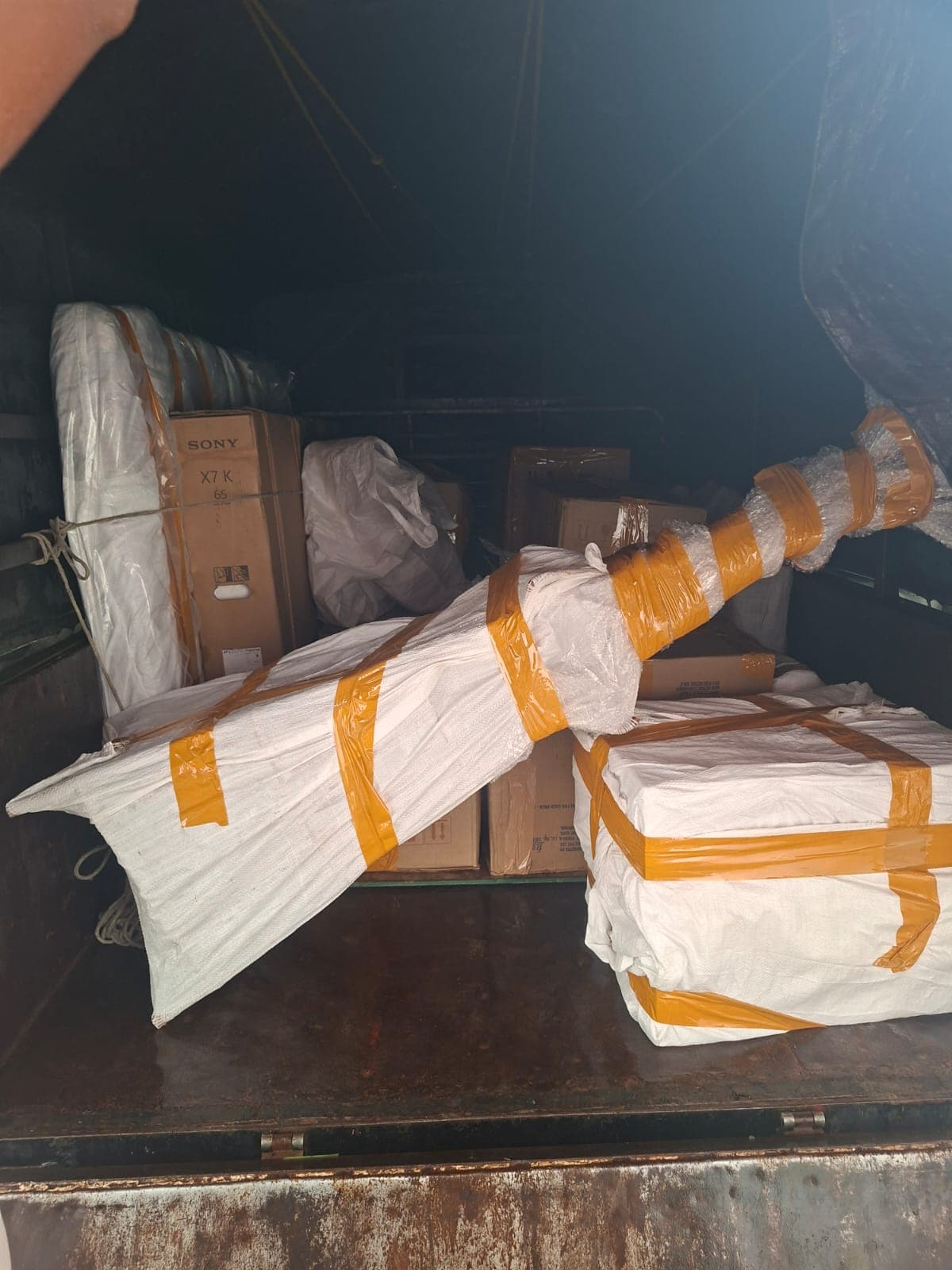
If your lease is ending, your team has outgrown the current space, or you've finally signed off on a better location, there's a good chance the timing question has already crossed your mind: do you move before Dashain, or do you wait until after? In Nepal, this isn't a minor scheduling detail — Dashain effectively freezes normal business activity across the country for several weeks, and getting the timing wrong can mean a half-unpacked office, a moving crew you can't book, or a team that's mentally still on holiday while you're trying to get workstations set up.
There's no single correct answer that applies to every business. But there is a clear, practical way to think through it — based on how the festival actually affects staff availability, moving-company capacity, cash flow, and landlord timelines in Nepal. This guide walks through exactly that, with real 2026 dates, the legal detail most companies forget (the mandatory festival expense payout), and a decision framework you can apply to your own situation.
| If your priority is... | Lean toward... |
|---|---|
| Minimizing disruption to ongoing client work | Before Dashain — get settled while activity is already naturally slower |
| Avoiding a rushed, half-staffed move | After Dashain and Tihar are both fully over |
| Keeping moving costs predictable | Before Dashain — movers get booked solid in the weeks after Tihar too |
| Giving the team a genuine fresh start in the new space | Right after Tihar, once everyone is actually back |
| Renovating or fitting out the new office first | Before Dashain, using the quiet weeks to work without staff underfoot |
| Cash flow is tight and festival expense (Dashain kharcha) is due | After Dashain, once that mandatory payout is behind you |
Keep reading for the reasoning behind each of these — because the "best" choice really does depend on which of these actually matters most to your business this year.
Before you can plan around Dashain, you need the actual dates — and they shift every year based on the lunar calendar, so don't reuse last year's schedule. According to the Ministry of Home Affairs' official notice of public holidays for 2083 BS, the government-recognized Dashain period for 2026 runs as follows:
| Event | Date (2026) | Notes |
|---|---|---|
| Ghatasthapana (Dashain begins) | Sunday, October 11 | National public holiday |
| Phulpati | Saturday, October 17 | Start of the main 7-day government holiday block |
| Maha Ashtami | Sunday, October 18 | |
| Maha Navami | Tuesday, October 20 | |
| Vijaya Dashami (main Tika day) | Wednesday, October 21 | The most significant day of the festival |
| Official government holiday block | October 17–23 (7 days) | National public holiday for all government offices |
| Tihar holiday block | November 8–12 (5 days) | Follows roughly two and a half weeks after Dashain |
That table is the official picture — but it understates how long business activity actually stays disrupted. In practice:
This matters enormously for office relocation planning, because it means your real window isn't "before October 17" versus "after October 23" — it's closer to "before the second week of October" versus "after the second week of November."
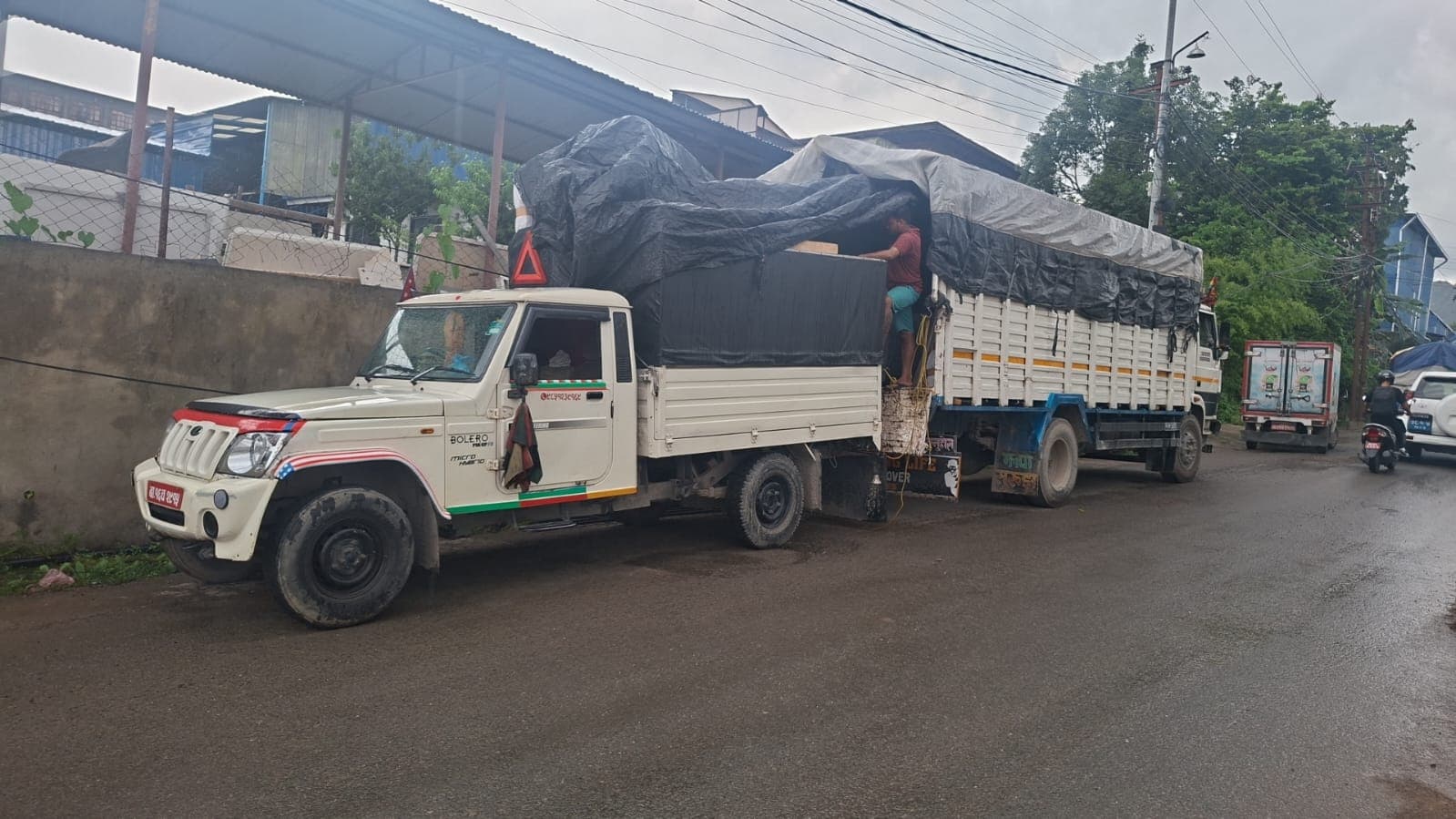
You're working with a naturally quieter period anyway. Client meetings slow down, decision-making at partner organizations slows down, and a lot of businesses are already operating at reduced capacity in the two weeks before Ghatasthapana. Moving during this window means you're not competing an office relocation against a normal, full-intensity workload.
Your team gets a genuine fresh start. If the move happens before the holiday, staff go home for Dashain and Tihar, then come back to a fully set-up new office — desks assigned, internet working, signage up — rather than returning from a five-week break straight into moving boxes.
You avoid the post-holiday moving company crunch. Household moving demand in Nepal spikes hard in the weeks after Tihar, as families who postponed relocating "until after the festivals" all move at once. Office relocations get slotted in around that household demand, and a moving company juggling both is more likely to be stretched thin in mid-to-late November than in late September or early October.
You can use the "quiet weeks" for fit-out work. If the new office needs any renovation, cabling, furniture assembly, or IT setup, doing that work while most of the team (and much of the city) is on reduced activity is far easier than trying to do it around a fully staffed office.
The downsides are real, though. Booking early enough (ideally by mid-September) is essential, because the same "before Dashain" window is when many other businesses and households are also trying to relocate before they leave for the festival. Cash flow is also tighter at this exact time, because Nepal's Labour Act, 2074 requires employers to pay festival expense — a mandatory payout equal to one month's basic remuneration — to every employee ahead of Dashain, which competes directly with relocation costs on the same balance sheet.
Your cash flow has recovered from the festival expense payout. Since the mandatory one-month festival expense under Section 37 of the Labour Act is a significant, unavoidable cost concentrated right before Dashain, many businesses genuinely have more breathing room to fund a relocation once that obligation is behind them.
You avoid the pre-holiday staff exodus disrupting the move itself. Trying to coordinate a full office pack-up while key staff are requesting early leave to travel home is its own kind of chaos. Waiting until after Tihar means the people who actually need to help plan and execute the move — IT, admin, department heads — are present and focused.
Vendors, landlords, and government offices are back to normal too. Anything that requires a signature, a stamp, or an in-person visit — a new tenancy agreement, a utility transfer, an update at the Office of the Company Registrar — moves faster when the counterparty isn't also mid-holiday. Trying to finalize paperwork in the week before Ghatasthapana often means chasing people who are already mentally, if not physically, on leave.
Landlord and lease timing often aligns better with the Nepali fiscal calendar anyway. Many commercial leases and renewals in Nepal are timed around Baisakh (mid-April, the Nepali new year) rather than the Dashain-Tihar period, so if your lease terms are flexible, a post-festival move doesn't necessarily cost you anything in lease-timing terms.
The downsides: you're now moving into the household-moving crunch described above, where movers are busiest. You'll also want to build in extra buffer time, since "after Tihar" doesn't mean full staff attendance snaps back immediately — plan for a gradual return to full capacity through the following one to two weeks rather than assuming everyone is at 100% the Monday after the last Tihar holiday.
This is the piece most relocation timelines miss entirely, and it's worth planning around deliberately. Under Section 37 of Nepal's Labour Act, 2074, every employee is legally entitled to a festival expense payment equal to one month's basic remuneration each year, and by law it is paid at the time of Dashain when requested.
For a company of any real size, this is a substantial, non-negotiable cash outflow that lands in the same September–October window many businesses would otherwise use for a "before Dashain" relocation.
| Cash Flow Event | Typical Timing | Competes With |
|---|---|---|
| Festival expense (Dashain kharcha) payout | Just before Ghatasthapana (early-to-mid October) | Moving deposit, first month's rent at new location, fit-out costs |
| Dashain leave / reduced billable activity | Late September through Vijaya Dashami | Revenue used to fund the move |
| Tihar holiday block | November 8–12 | Continued reduced activity if move is delayed to this point |
| Post-Tihar household moving demand peak | Mid-to-late November | Moving company availability and possibly pricing |
If your business is planning to relocate before Dashain, build the festival expense payout into your cash flow projection explicitly — don't let it become a surprise that collides with a moving deposit or a new landlord's advance rent requirement in the same week. If you're planning to move after the festivals, the upside is that this specific collision disappears, but you're trading it for a busier, potentially more expensive moving market.
It's worth being explicit about this, because a lot of general "when to move" advice in Nepal is written for households, and the calculus is different for a business.
A household move around Dashain is mostly about the family's own schedule — do they want to celebrate the festival in the old home or the new one, and can they get a truck booked. An office move has several additional constraints layered on top: client commitments that don't pause for the festival, staff who each have their own travel plans that may or may not align with the company's move date, a landlord (old or new) who has their own paperwork timeline, and — as covered above — a legally mandated payroll obligation landing in the same window.
That's also why "just move whenever the truck is available" doesn't work as well for a business. A household that ends up moving a few days later than planned mostly just adjusts its own routine. A business that ends up moving a few days later than planned may be paying for two spaces at once, missing a day of client availability, or asking staff to work out of half-packed boxes during a week when half the team is also trying to prepare for the festival themselves.
If you have any flexibility in your move-in or move-out date, this is worth raising with your landlord directly and early — ideally as soon as you're evaluating the new space, not once the lease is already signed.
Sometimes the calendar doesn't cooperate — a lease genuinely ends in mid-October, or a landlord needs the space back by a fixed date that falls inside the festival window. If that's your situation:
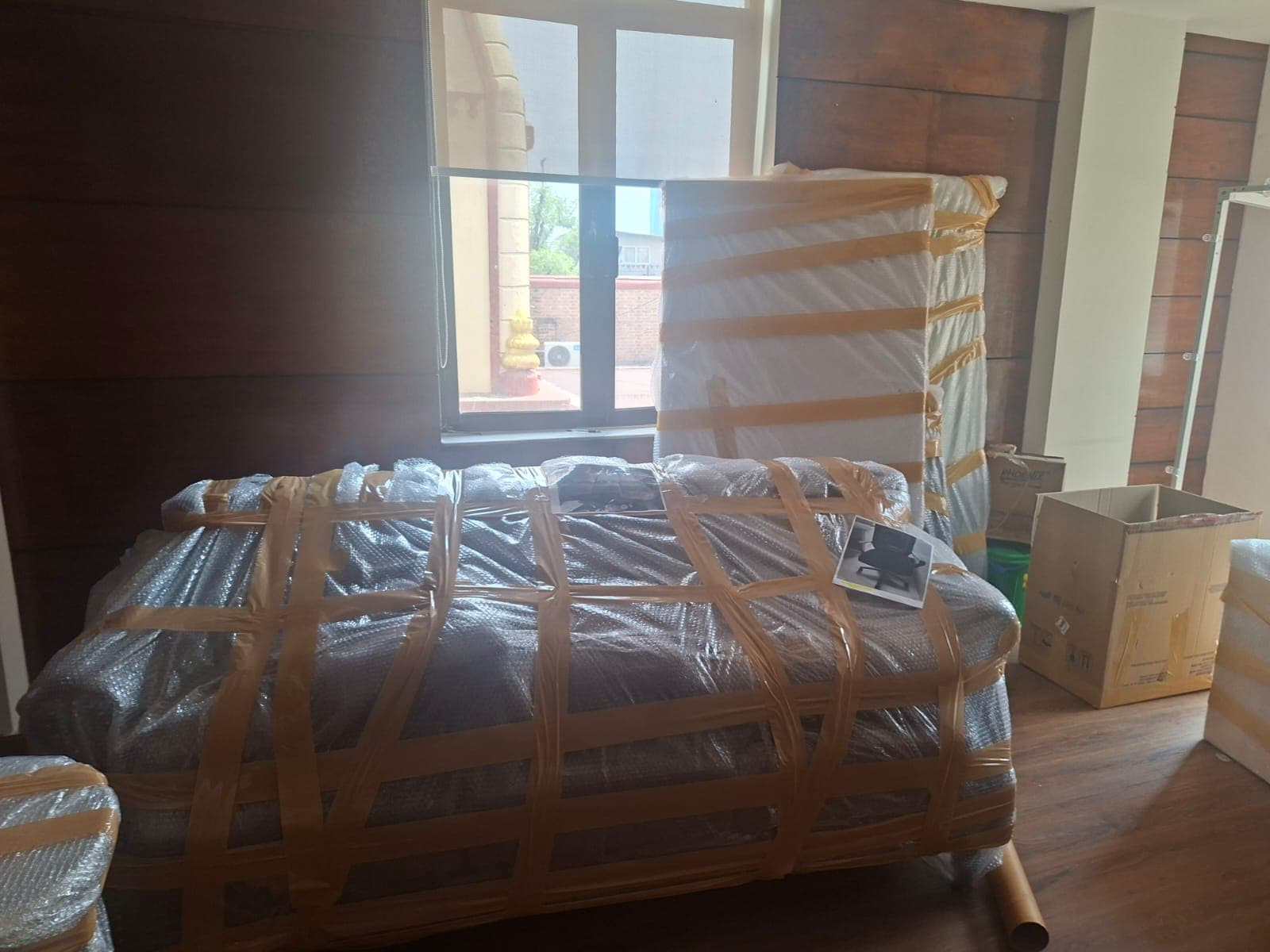
Rather than treating this as a single yes/no question, walk through the following factors for your specific situation:
| Factor | Favors Before Dashain | Favors After Dashain/Tihar |
|---|---|---|
| Lease end date | Falls in September/early October | Falls in November or later |
| Renovation/fit-out needed | Yes — use the quiet weeks | No — space is move-in ready |
| Cash flow tightness | Manageable alongside festival expense | Tight until festival expense is paid out |
| Staff composition | Mostly local, low travel-for-festival rate | Many staff travel to home districts for the holidays |
| Client-facing urgency | Can absorb a short settling-in period during naturally quiet weeks | Needs full team present from day one of the move |
| Moving company booking lead time available | 3+ weeks before Ghatasthapana | Can book several weeks out for a mid-to-late November slot |
If most of your answers point one direction, that's your timing. If they're split, the safer default for most offices is before Dashain — because it uses a naturally quiet period productively rather than adding a full relocation on top of the post-holiday moving rush, and it gives staff a genuinely fresh start when they return from the festivals.
It's also worth revisiting this framework as a team rather than deciding it unilaterally. Department heads often have visibility into client deadlines or staff travel plans that don't show up in a lease document or a budget spreadsheet, and a short planning conversation a few weeks before you commit to a date tends to surface at least one factor that changes the recommendation.
Once you've picked a window, the mechanics of an office relocation in Nepal follow a fairly consistent sequence:
A company like Nepal City Packers and Movers that publishes a dedicated office and corporate moving service is worth checking specifically for how they describe handling IT equipment and after-hours scheduling — those two details tend to separate movers with real office-relocation experience from ones that primarily handle household shifting.
Our office shifting services in Kathmandu page and branch locator are useful starting points if you're comparing options against whichever timing you land on, and our budget planning guide covers cost-control tactics that apply just as much to an office move as a household one.
If you're still finalizing dates, reaching out through their contact page directly for a site survey is a reasonable next step regardless of which side of Dashain you land on.
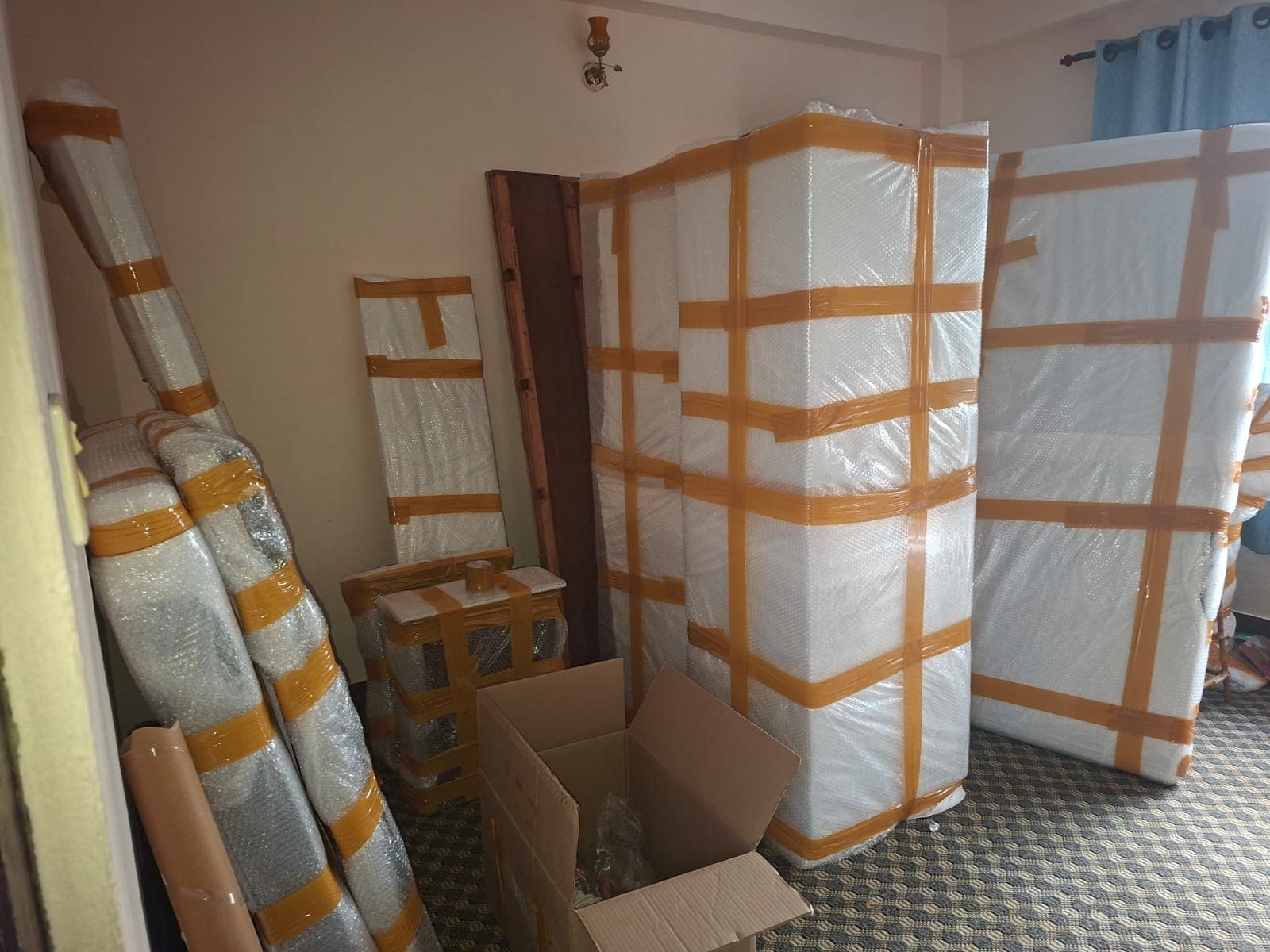
1. What are the official Dashain holiday dates for 2026?
Ghatasthapana falls on October 11, 2026, and the main government holiday block runs October 17–23, 2026, with Vijaya Dashami (the main Tika day) on October 21. Tihar follows with its own five-day holiday block from November 8–12, 2026.
2. Is it better to move an office before or after Dashain in Nepal?
It depends on your priorities. Moving before Dashain uses a naturally quieter business period and gives staff a fresh start after the holidays, while moving after Dashain and Tihar avoids the pre-holiday staff exodus and the collision with the mandatory festival expense payout — but lands you in the busiest period for moving companies.
3. What is Dashain kharcha, and is it legally required?
Dashain kharcha (festival expense) is a mandatory payment under Section 37 of Nepal's Labour Act, 2074, equal to one month's basic remuneration, paid to employees around the time of Dashain each year. It's a legal entitlement, not a discretionary bonus, and it's typically paid before Ghatasthapana.
4. How far in advance should we book a moving company for a pre-Dashain relocation?
At least three to four weeks ahead, ideally by early-to-mid September, since both household and business moving demand spikes in the weeks leading up to Ghatasthapana.
5. When do businesses in Nepal actually return to full capacity after Dashain and Tihar?
While the official holiday blocks total roughly 12 days combined, many businesses see staff attendance and general responsiveness take another one to two weeks to fully normalize after the last Tihar holiday, particularly for staff who traveled outside Kathmandu Valley.
6. Does moving during the Dashain-Tihar period itself cause problems?
Yes, generally. Between mid-October and mid-November, expect reduced staff availability, limited access to landlords and government offices for paperwork, and a moving industry stretched thin by household relocations — most businesses are better off scheduling firmly on one side of this window.
7. Should we time our lease start date around Dashain?
Avoid a lease start date that falls inside the festival window itself, since you'd effectively be paying for weeks the office can't be used productively. Many commercial leases in Nepal are instead timed around the Nepali new year in mid-April, which is worth discussing with your landlord if your timeline is flexible.
8. How does the mass return of people into Kathmandu Valley after Dashain affect moving logistics?
Transport authorities have previously recorded roughly 100,000 people entering Kathmandu Valley per day in the days following Vijaya Dashami, which increases road congestion and can slow down truck movement, crew arrival times, and general coordination for any relocation scheduled in that immediate post-holiday window.
9. What's the biggest budgeting mistake companies make with a pre-Dashain office move?
Not accounting for the mandatory festival expense payout landing in the same weeks as relocation costs like moving deposits, first month's rent at the new location, and fit-out expenses — all of which draw from the same cash flow.
10. Can we split the move — some before Dashain, some after?
Yes, and it's a reasonable approach for larger offices. Moving IT infrastructure and non-urgent assets before the festivals, then completing staff and desk relocation after Tihar, avoids double-handling sensitive equipment during the peak-traffic post-holiday window while still using the quiet pre-Dashain weeks productively.
11. Do moving companies charge more around Dashain and Tihar?
Pricing varies by company, but demand is unquestionably higher in the weeks immediately before Dashain and after Tihar, which reduces your negotiating leverage and availability options compared to booking during a quieter month. Get a written quote regardless of timing rather than assuming a fixed rate applies.
12. What should we tell clients and vendors about an office move timed around Dashain?
Communicate the new address and any expected downtime well before the move date, and build in extra lead time if the move falls close to the festival period, since response times across banks, government offices, and many vendors slow down during this stretch regardless of your own scheduling.
13. Is it realistic to complete a full office relocation within the 7-day official Dashain holiday block?
It's possible for a small office, but risky to plan around exclusively — the official 7-day block doesn't account for reduced staff availability in the surrounding weeks, and most moving companies are managing overlapping household relocation demand during the exact same period.
14. How should we handle a lease that ends in the middle of the Dashain-Tihar period?
Negotiate with your current or new landlord for a short-term extension or an adjusted start date wherever possible, so the actual move happens either clearly before Ghatasthapana or clearly after the Tihar holiday block ends, rather than during the disrupted weeks in between.
15. Does the answer change for a business based outside Kathmandu Valley?
The core reasoning stays the same, but the practical effects can be sharper outside the Valley, since a larger share of staff in smaller cities and towns often travel further to reach their home villages for Dashain, and moving-company options are more limited. Book earlier and build in more buffer time than you would for a Kathmandu-based move.
16. Is it worth paying a premium to move during the festival window if that's the only date that works?
If a premium gets you a company with genuine availability and a written agreement rather than a rushed, undocumented job squeezed in around other commitments, it's usually worth it — the cost of damaged equipment or a mishandled IT setup during a distracted, overbooked period tends to outweigh a modest scheduling premium.

Nepal City Packers and Movers
Share:
Explore Our Range of Moving & Logistics Services

Experience fast and reliable domestic and international courier services with Nepal City Packers and Movers. Secure delivery for all your packages, locally and globally!

Explore additional services by Nepal City Packers and Movers, including loading, unloading, parking assistance, and more. Tailored solutions for all your needs!

Explore reliable two-wheeler transport services by Nepal City Packers and Movers. Safe, secure, and timely bike transportation locally or across Nepal. Contact us today!
 Nepal City Packers and Movers - Banepa, Kavre
 Top Packers and Movers - Bouddha, Kathmandu
 Professional Packers and Movers - Balaju, Kathmandu
 Reliable and Affordable Packers and Movers - Baluwatar, Kathmandu
 Top-Rated Packers and Movers - Maharajgunj, Kathmandu
 Leading Packing and Moving Service | Nepal City Packers and Movers - Durbarmarga, Kathmandu
 Nepal city packers and movers - Lalitpur, Nepal
 Nepal City Packers and Movers - Thimi, Bhaktapur
 Reliable Packers and Movers - Kupandole, Lalitpur
 Affordable and Reliable Packers and Movers - kalanki, Kathmandu