
Loading…
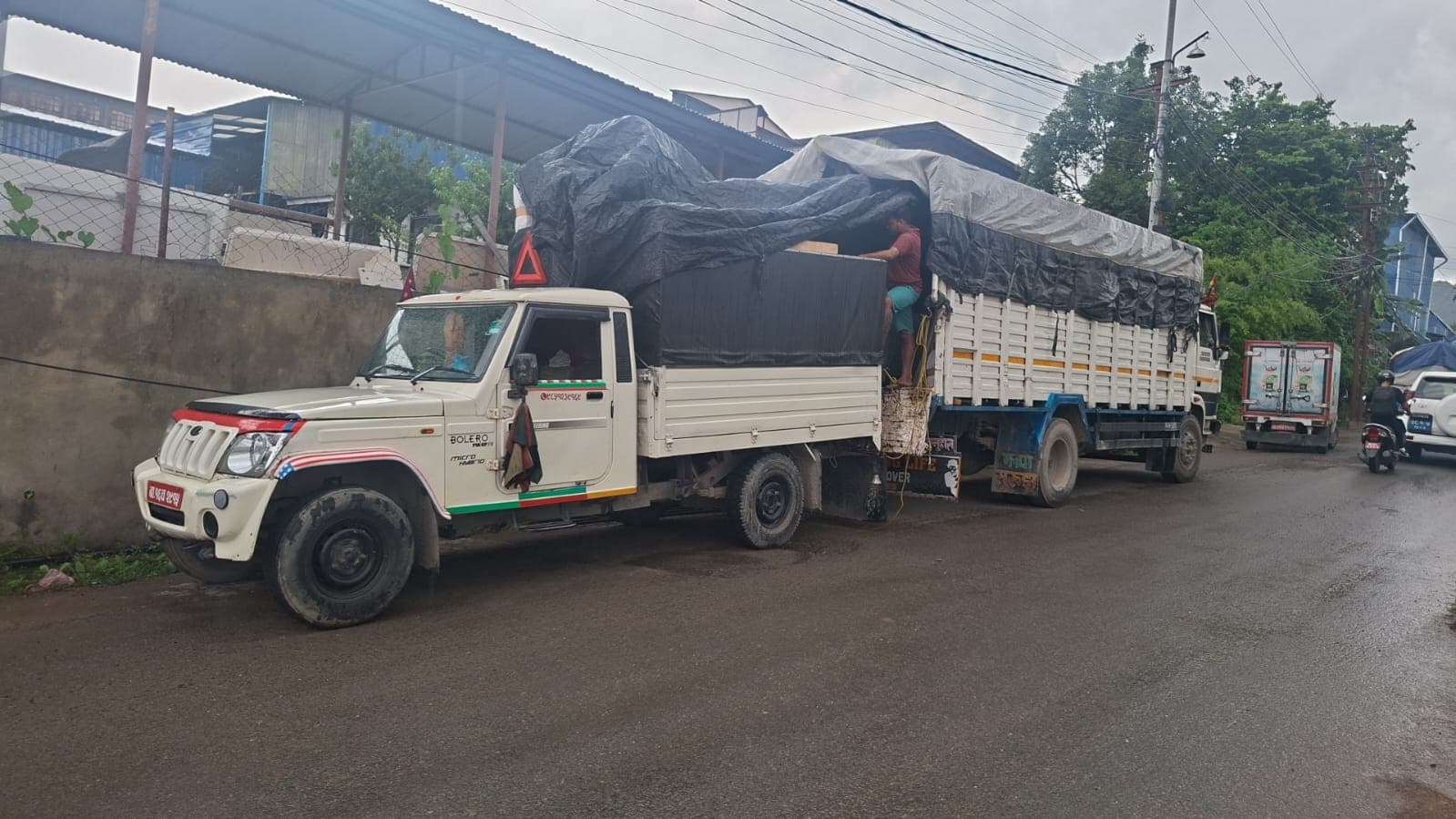
In Nepal, almost everyone uses the word "shifting" for moving. You shift rooms, shift flats, shift offices, shift shops. It might mean carrying a bed and a few boxes across Kupondole, or relocating a whole office from one side of the Valley to another. Whatever the size, the same questions come up. Who will come? How much will it cost? Will anything break? Will they turn up on time? What do I need to do before they arrive?
This guide answers those questions in plain language. It explains what shifting services actually include, how home, room and office moves differ, how a typical move runs from the first call to the last box, what drives the price, how to choose a company you can trust and how to prepare so the day goes smoothly. It is written with Kathmandu Valley in mind, where narrow lanes, stairs without lifts, rented rooms and heavy traffic shape almost every move, but most of it applies across Nepal.
One note on scope. Every company works differently, and every move is different. Use this guide as a framework for asking the right questions, and always confirm details, prices and terms with the company you are considering.
When people search for shifting help, they usually want one of a few things. This table shows how the main types of service fit together.
| Type of service | What it means | Typical customer |
|---|---|---|
| Room shifting | Moving a single room, a shared flat or a small household | Students, job-holders, people in rented rooms |
| House or flat shifting | Moving a full home with furniture, appliances and kitchen | Families, couples, people changing homes |
| Office shifting | Relocating desks, computers, files and equipment | Small businesses, clinics, shops, organisations |
| Corporate moving | Larger or more structured moves planned around business operations | Companies and institutions |
| Two-wheeler transport | Moving a bike or scooter | People relocating with their vehicle |
| Courier and parcel | Sending documents or small items rather than moving everything | Anyone shipping items separately |
| Cleaning support | Cleaning the old or new place around a move | Tenants handing over a home, people moving in |
| Packing, loading and unloading | The physical work of packing, carrying and placing items | Almost everyone |
| International relocation | Moving belongings to another country | People moving abroad |
Nepal City Packers and Movers lists several of these on its website, including room shifting, office shifting, corporate moving, two-wheeler transport, cleaning, domestic and international courier, additional services such as loading, unloading and parking assistance, and an international relocation service. You do not need to know exactly which category your move falls into. Describe what you are moving, and a good company will tell you how it can help.
Anyone who has shifted in Kathmandu Valley knows that the map does not tell the whole story. A few local realities shape almost every move.
Narrow lanes and limited parking. Many streets in older neighbourhoods, including parts of Lalitpur, Kathmandu and Bhaktapur, are too narrow for a large vehicle to reach your door. Items are often carried by hand from the vehicle to the building, which affects time, labour and cost.
Stairs instead of lifts. Many homes and offices are in buildings without lifts. A third-floor room with no lift is a very different job from a ground-floor room next to the road.
Rented rooms and quick handovers. Many people live in rented rooms or flats, so moves often come with a landlord handover, a deposit and a tight overlap between the old and new places.
Traffic and vehicle rules. The Valley's authorities have introduced and revised restrictions on goods vehicles on the Ring Road and inner areas at various times. The Himalayan Times has reported that the Department of Transport Management has declared parts of the Valley a no-go zone for freight vehicles during daytime hours, with some exemptions. Because rules and timings change, ask your moving company what applies on your date and route, and plan loading times accordingly.
Weather. The monsoon runs roughly from June to September. Rain can soak cardboard boxes, mattresses and electronics, so covers and timing matter.
Dust. Dry-season dust is a fact of life in the Valley, and it settles on everything during a move. Rain tends to bring pollution down, as Online Khabar has reported, but on dry days, wrapping furniture and keeping boxes closed helps.
Festivals. Dashain and Tihar, in autumn, are busy periods for travel and for moving. Availability tightens, so book earlier than usual if your move falls near them.
None of this makes moving difficult. It simply means a good plan should include access, timing and weather, not just the date.
Here is how a typical move runs when it is well organised. The details vary by company, but the sequence is similar.
| Step | What happens | Your part |
|---|---|---|
| 1. First contact | You call or message and describe your move | Share addresses, floors, items and your preferred date |
| 2. Questions and estimate | The company asks questions and gives an estimate | Answer honestly and ask for the quote in writing |
| 3. Confirmation | You agree on the date, time, price and what is included | Confirm the details and any special items |
| 4. Preparation | You sort, pack and label belongings | Follow the timeline below |
| 5. Moving day arrival | The crew arrives and you walk through the plan | Point out fragile items, access and priorities |
| 6. Packing and loading | Items are protected, loaded and secured | Stay available and check the inventory |
| 7. Transport | The vehicle travels to the new place | Share directions and parking details |
| 8. Unloading and placement | Items are carried in and placed where you want them | Direct the crew room by room |
| 9. Final checks | You check the delivery and any damage | Raise concerns before the crew leaves |
| 10. Payment | You settle as agreed | Keep the receipt or confirmation |
A key point is that most of the work in steps 1 to 3 is conversation. The more clearly you describe your move at the start, the fewer surprises you get later.
A single-room move looks simple, but it has its own challenges. You might be moving a bed, a mattress, a wardrobe, a table, a TV, boxes and a few appliances, often up or down several flights of stairs.
What to tell the company. The floor you are on, whether there is a lift, how close the vehicle can get, the main items you are moving and where you are going.
Why access matters. In a small move, access often decides the time and cost more than the volume. A few items carried up four floors can take longer than a larger load on the ground floor.
What to keep with you. Documents, laptop, phone, chargers, medicines, cash and valuables.
Landlord handover. If you are leaving a rented room, agree the handover date, return the keys and settle the deposit in writing. Photograph the room before you leave. If you want help with the clean-up, ask about cleaning services alongside your move.
For a step-by-step plan that covers timelines, packing and moving-day checks, our house shifting checklist is a good companion.
A full home has more of everything: furniture, a kitchen, appliances, wardrobes full of clothes and a lot of small items that add up. The extra volume needs extra planning.
Every item you move costs time and money. Before you pack, sort belongings into keep, donate or sell, and throw away. Items that are cheap to replace, broken or no longer used are often not worth moving.
Use sturdy boxes, put heavy items such as books in small boxes, fill gaps with soft items and label every box with the room and contents. Pack fragile items individually and mark them clearly. Pack the things you use least first, and the things you use daily last.
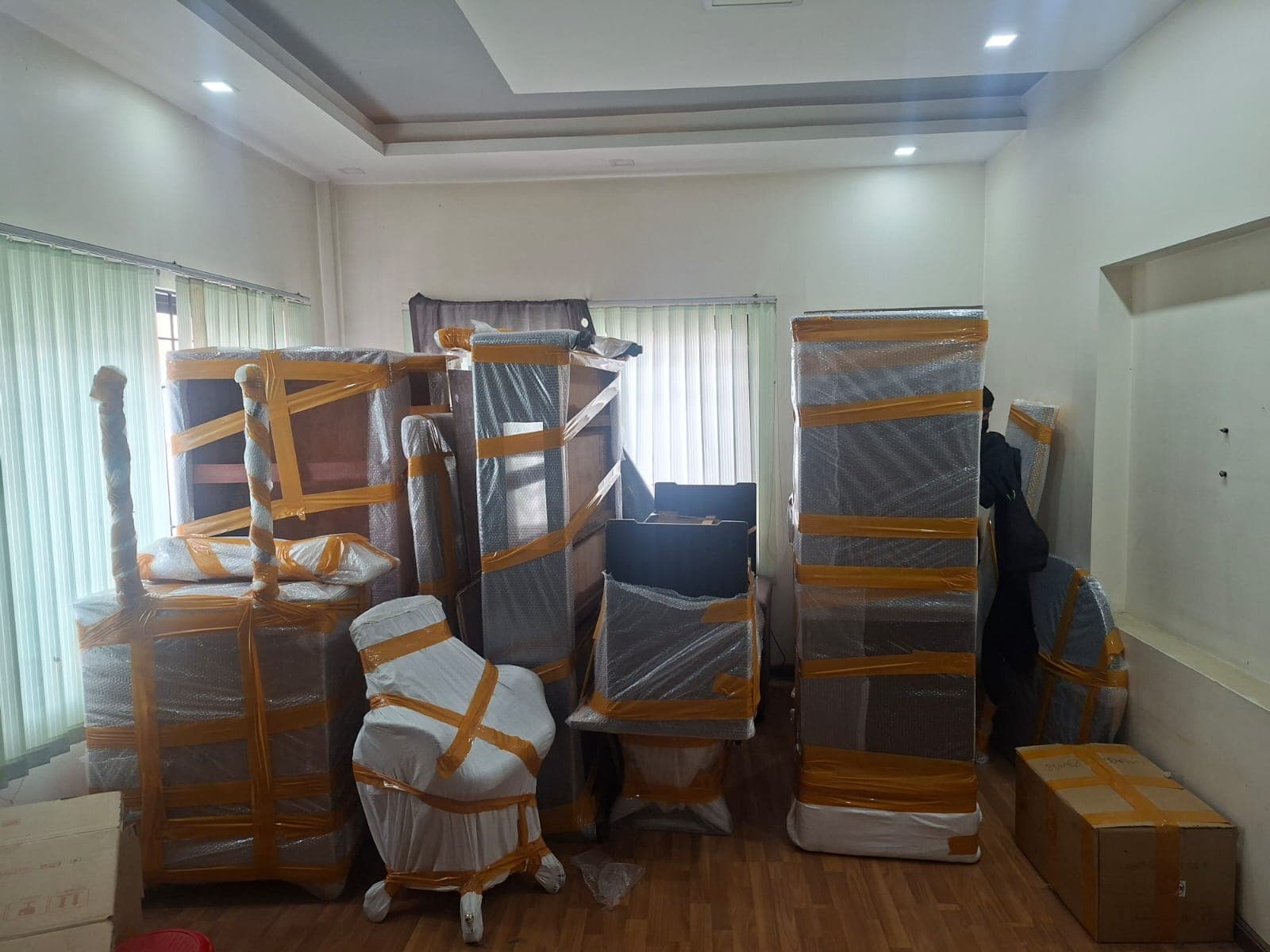
An office move is not just a bigger room move. It has different pressures: downtime costs money, equipment is sensitive, documents matter and staff need to be productive on the first day.
Plan the timing. Moving over a weekend or outside working hours reduces disruption, if the building allows it. Confirm access hours, lift use and parking at both locations.
Create an inventory. List desks, chairs, computers, printers, servers, cabinets and documents so nothing is missed.
Handle IT with care. Back up data, photograph cable connections, label cables and keep critical devices with you. If you need internet on day one, arrange it in advance.
Pack documents carefully. Label boxes by department and keep confidential files secure and tracked.
Communicate. Tell staff, clients and suppliers about the new address and date, and update your business address with banks, authorities and suppliers.
Assign a point person. One person should coordinate with the movers on the day.
Nepal City Packers and Movers lists both office shifting and corporate moving among its services. If your move involves several departments, phases or a tight deadline, share the plan early so the crew can work around your operations.
Many people shifting in Nepal also have a motorbike or scooter. If the distance is short, you may simply ride it. For longer moves, transport can be easier and safer.
Nepal City Packers and Movers lists two-wheeler transport locally or across Nepal. If you are moving a room or a home as well, ask whether the two can be arranged together.
There is no standard rate for shifting in Nepal, and any company that gives a fixed price without asking about your move is guessing. These are the main factors.
| Factor | Why it matters |
|---|---|
| Volume of items | More items mean more labour, space and time |
| Type of items | Fragile items, large furniture and appliances need extra care |
| Floors and lifts | Carrying items on stairs takes longer than using a lift |
| Access and parking | If the vehicle cannot reach the door, items are carried a distance |
| Distance | Moves within one area differ from longer routes |
| Packing | Whether you pack yourself or the crew does it |
| Dismantling and reassembly | Beds, wardrobes and shelves take time to take apart and put back |
| Timing | Peak days, month-end and festivals can affect availability |
| Vehicle restrictions | Loading windows may need to fit local rules |
| Extras | Cleaning, bike transport, parking assistance and similar add-ons |
The best way to get a fair estimate is to describe your move accurately: the number of rooms, the floors at both ends, whether there is a lift, the large items you have and how close the vehicle can get.
| Check | Questions to ask |
|---|---|
| Crew | How many people, and for how long? |
| Vehicle | What size and type, and does it suit my access? |
| Packing | Who supplies boxes, tape and padding, and is it charged separately? |
| Dismantling | Are beds and wardrobes taken apart and reassembled? |
| Stairs | Is there an extra charge for floors without a lift? |
| Waiting time | What happens if the new place is not ready on time? |
| Payment | When is payment due, and by what method? |
| Damage | What is the process if something is damaged? |
Ask each company the same questions and get the answers in writing. You will quickly see which quotes are complete and which leave things out.
Many companies and individuals offer shifting help, from established firms to freelance helpers with a vehicle. Price is only one factor.
Do they ask about your move before quoting? A reliable company wants to know about floors, access, items and timing. A quote given in seconds is a guess.
Is the quote itemised? You should see what is included, such as crew, vehicle, packing material, dismantling, loading, unloading and any extra for stairs.
Is there a real presence? A physical address, a phone number and a website suggest accountability. Nepal City Packers and Movers has a branch in Kupondole, Lalitpur, and you can see the details on the Lalitpur branch page.
How do they handle fragile items and appliances? Ask for specifics, not general reassurance.
What happens if something is damaged? Ask before booking, and get the answer in writing.
Can you read the terms? Review the terms and conditions before you agree.
Is communication easy? On moving day, you may need to give directions, change timing or answer a question. A company that replies quickly by phone or WhatsApp makes the day smoother.
Good preparation turns a stressful day into a manageable one. This timeline works for most moves. If you have less time, compress it rather than skip steps.
| When | What to do |
|---|---|
| 4 weeks before | Confirm the date, give notice to your landlord, start sorting belongings |
| 3 weeks before | Get quotes, inspect the new place and measure doors and stairs |
| 2 weeks before | Book your movers, start packing items you rarely use, arrange utilities |
| 1 week before | Pack most things, label boxes, confirm the arrival time |
| 2 to 3 days before | Disassemble furniture, pack the last non-essentials, set aside documents and valuables |
| 1 day before | Defrost the fridge, drain the washing machine, pack an essentials bag, reconfirm the crew |
| Moving day | Supervise, check rooms, take photos, do the handover |
| 48 hours after | Unpack essentials, inspect items, set up utilities, update addresses |
| Item | Why you need it |
|---|---|
| Sturdy boxes in different sizes | Small for heavy items, large for light ones |
| Packing tape | Securing the bottoms and tops of boxes |
| Bubble wrap or soft padding | Protecting glass, ceramics and electronics |
| Newspaper or soft clothes | Filling gaps |
| Blankets or covers | Protecting furniture |
| Markers and labels | Marking rooms and contents |
| Zip bags | Keeping screws, fittings and cables together |
| Plastic sheets | Protecting mattresses and boxes from rain |
Pack a bag you keep with you, holding what you need for the first 24 hours: a change of clothes, toiletries, a towel, phone charger, medicines, water and snacks, a small toolkit, bedding for the first night and a torch or lamp. Keep documents, cash and valuables in a separate bag.
Here is a realistic picture of a well-prepared move.
Before the crew arrives. Do a final walkthrough, open doors, clear pathways and keep your essentials and valuables aside.
When the crew arrives. Walk through the home or office together. Point out fragile items, heavy furniture and the order you would like things moved. Agree the plan for stairs and parking. This five-minute conversation prevents most problems.
During loading. Stay nearby and available. Large items go first, boxes next, and fragile items last and on top. Check the vehicle is loaded sensibly.
Before leaving the old place. Look in every cupboard, drawer, balcony and storeroom. Switch off lights, close taps, lock up and return keys. Take photos of the empty space.
At the new place. Direct the crew to place items room by room. Reassemble the bed first so you have somewhere to sleep.
Final checks. Count boxes, check furniture and appliances for damage, and raise any concerns before the crew leaves. If you find something, photograph it and mention it straight away.
If you need extra hands for loading or unloading, or help with parking, ask about additional services.
Sometimes you cannot plan. A landlord changes their mind, a job starts early or a lease ends sooner than expected. If you need to shift quickly:
Availability depends on the day, so ask the company what it can do rather than assuming.
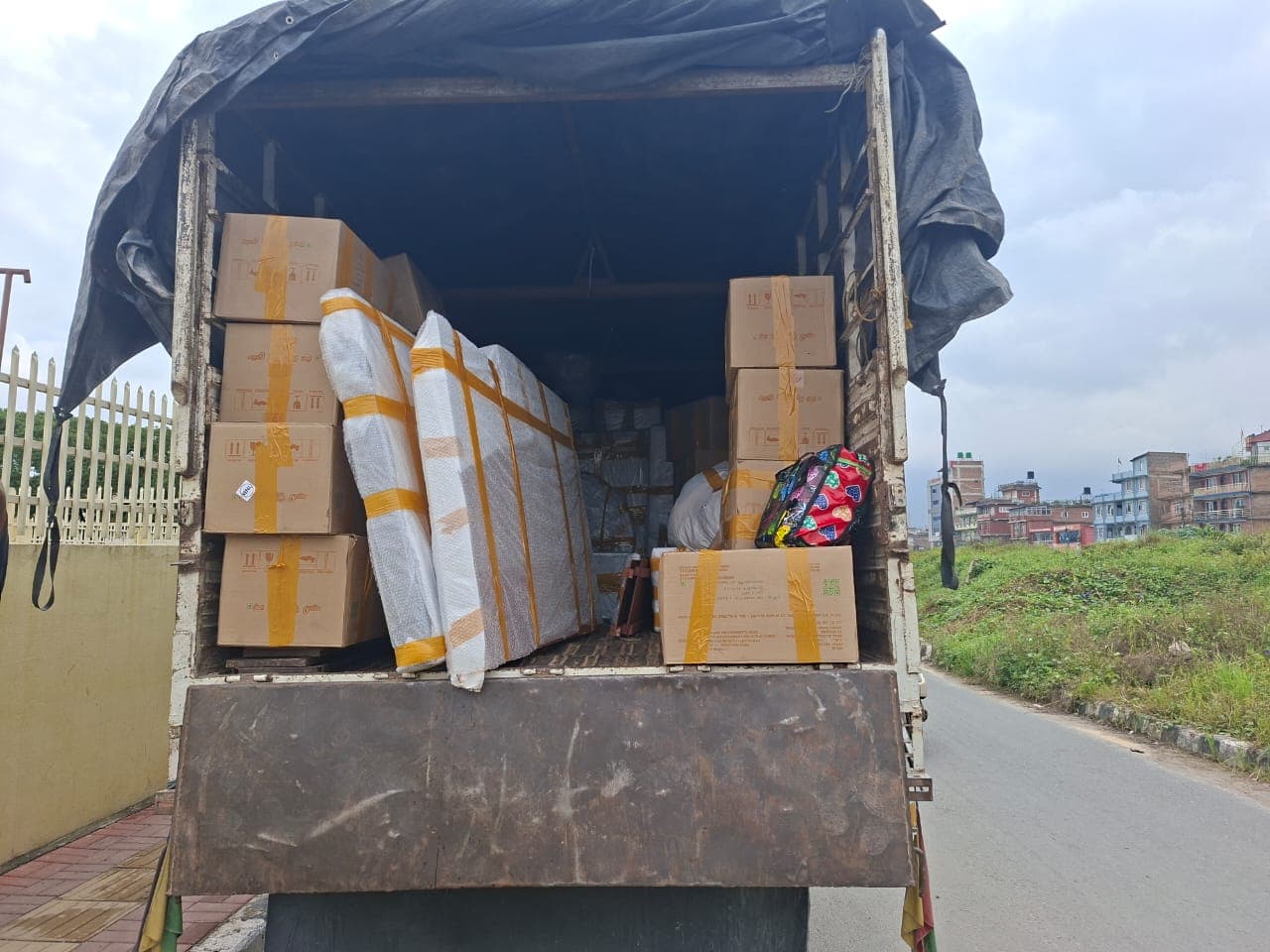
Not every move stays within one area. If you are moving to another city in Nepal, packing needs to be stronger, because items spend more time in transit, and the timeline depends on the route. Ask the company how it plans longer moves, and how delivery timing is handled.
If you need to send documents or small parcels separately, ask about domestic and international courier. If you are moving abroad, the process involves customs, documents and different rules at your destination. Nepal City Packers and Movers lists an international relocation service on its website, and you can ask there about your destination and what is possible.
In Nepal, shifting services means help with moving: packing, loading, transporting, unloading and placing your belongings when you change home, room or office. Many companies also offer extras such as dismantling furniture, cleaning, parking assistance and vehicle transport.
Room shifting usually means moving a single room, a shared flat or a small household. House shifting means moving a full home with more furniture, a kitchen and appliances. The planning is similar, but a larger home needs more time, labour and organisation.
Look for a company with a real address and a working phone number, one that asks detailed questions before quoting and gives an itemised estimate. Compare two or three companies using the same details, and ask how they handle fragile items and damage.
It depends on the volume of items, floors and lifts, access, distance, packing needs and any extras. Because these vary, a reliable company gives an estimate after hearing the details. Ask for an itemised quote and compare what is included.
As early as you can, ideally a few weeks ahead. Weekends, month-end and festival periods such as Dashain and Tihar are busier. If your move is urgent, contact a company as soon as possible with clear details.
Your current and new addresses, the floors at both ends, whether there is a lift, how close a vehicle can get, the main items you are moving, any fragile or large items and your preferred date.
Many do, but confirm it before booking and check whether it is included in the quote or charged separately. Keep screws and fittings in a labelled bag, and photograph furniture before it is taken apart.
It varies by company and quote. Ask whether boxes, tape, bubble wrap and blankets are included, and who packs fragile items. If you plan to pack yourself, use sturdy boxes and pad fragile items well.
Tell the company in advance. In many lanes, the vehicle stops some distance from the door and items are carried by hand. This affects time and labour, so it should be reflected in the estimate.
Mention the floor number when you ask for a quote. Carrying items on stairs takes more time and effort, and some companies charge extra for it. Measure your staircase and doorways so large furniture does not get stuck.
Authorities have introduced and changed restrictions on goods vehicles on the Ring Road and inner areas at different times, with some exemptions. Because the rules and timings change, ask your moving company what applies on your date and route.
Yes, but plan for rain. Cover mattresses and furniture with plastic, keep electronics wrapped and check the forecast. If you have flexibility, choose a dry day. In Nepal the monsoon runs roughly from June to September.
Office moves are a standard service for many companies. Share an inventory, your preferred timing and building rules, and plan IT, documents and communication in advance. Nepal City Packers and Movers lists office shifting and corporate moving services.
Yes, two-wheeler transport is available, locally or across Nepal. Photograph the vehicle from all sides, remove loose accessories, keep the keys and documents with you and confirm who handles loading and unloading.
Empty and defrost the fridge, then clean and dry it. Keep it upright during transport and let it stand before plugging it in, following your manual. Drain the washing machine and secure its hoses and cables. Tell the crew if you do not have transit bolts for the drum.
Documents such as your citizenship certificate, passport and rental agreement, plus cash, bank cards, jewellery, medicines, your laptop, phone and chargers. Pack an essentials bag with a change of clothes, toiletries and bedding for the first night.
Photograph the damage, tell the crew leader and the company immediately and note it on any paperwork before you sign. Gather proof of value, such as a receipt or photo. Ask about the company's process before you book so you know what to expect.
Some can. Nepal City Packers and Movers lists cleaning services among its offerings. Ask whether cleaning can be combined with your move and how it is arranged.
It depends on availability. Call early in the day, describe your move precisely and ask what the company can do. Prioritise documents, valuables and essentials while you wait.
Message us on WhatsApp at +977 9851364869, or request a quote through the Lalitpur branch page on our website. Share your current and new addresses, the floors involved, what you are moving and your preferred date, and we will respond with the next steps.
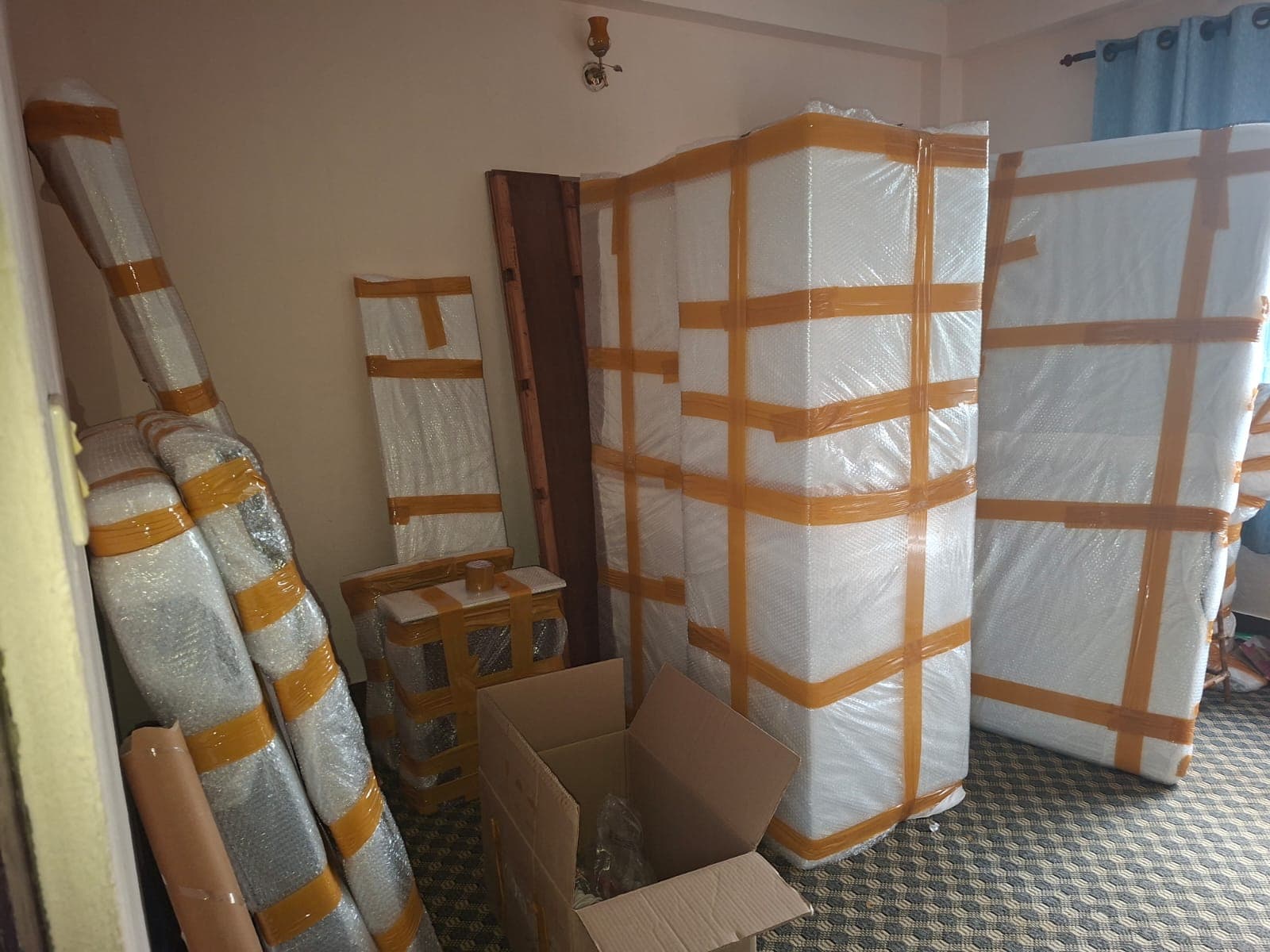
A good move starts with a clear conversation. If you are comparing shifting services for a room, a home or an office, we would like to be one of the teams you talk to. Tell us what you are moving, the floors and access at both ends and when you need to shift, and we will help you plan.
Where to go next:
Talk to us on WhatsApp: +977 9851364869
Send a short message with your current location, your new location and a rough list of what you are moving, and we will reply with the next steps.

Nepal City Packers and Movers
Share:
Explore Our Range of Moving & Logistics Services

Experience fast and reliable domestic and international courier services with Nepal City Packers and Movers. Secure delivery for all your packages, locally and globally!

Explore additional services by Nepal City Packers and Movers, including loading, unloading, parking assistance, and more. Tailored solutions for all your needs!

Explore reliable two-wheeler transport services by Nepal City Packers and Movers. Safe, secure, and timely bike transportation locally or across Nepal. Contact us today!
 Nepal City Packers and Movers - Banepa, Kavre
 Top Packers and Movers - Bouddha, Kathmandu
 Professional Packers and Movers - Balaju, Kathmandu
 Reliable and Affordable Packers and Movers - Baluwatar, Kathmandu
 Top-Rated Packers and Movers - Maharajgunj, Kathmandu
 Leading Packing and Moving Service | Nepal City Packers and Movers - Durbarmarga, Kathmandu
 Nepal city packers and movers - Lalitpur, Nepal
 Nepal City Packers and Movers - Thimi, Bhaktapur
 Reliable Packers and Movers - Kupandole, Lalitpur
 Affordable and Reliable Packers and Movers - kalanki, Kathmandu