Loading…
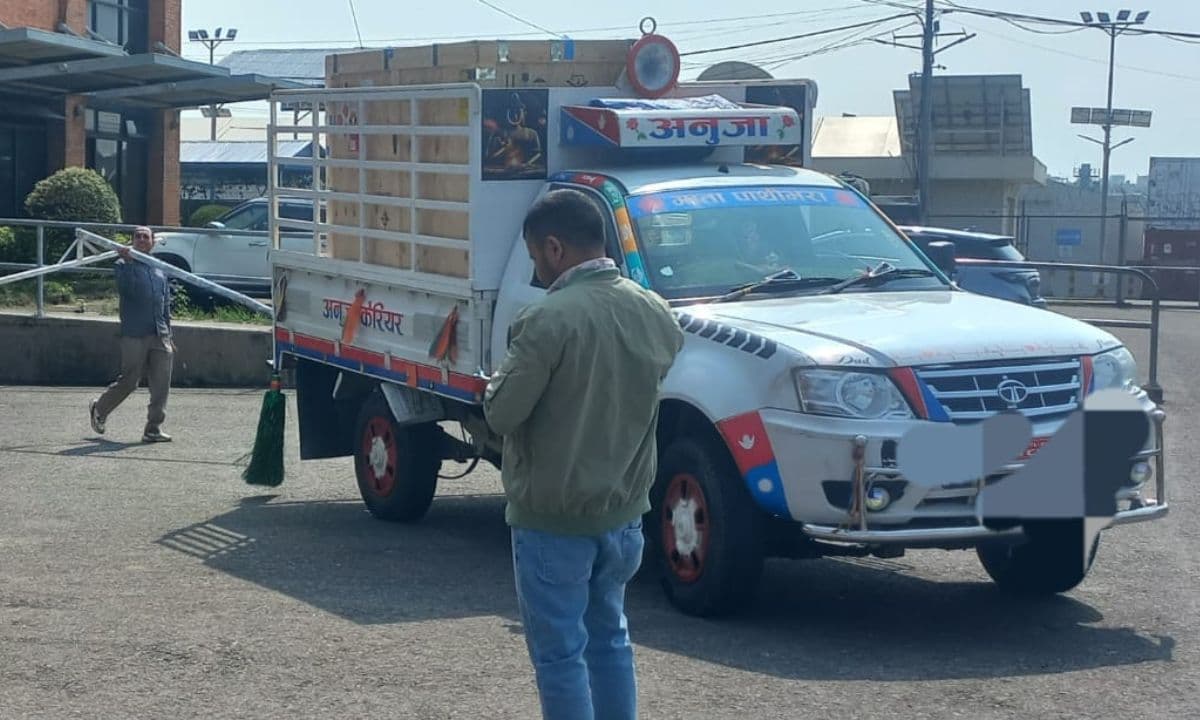
Buying a car from a dealership in Kathmandu and needing it delivered to Pokhara. Relocating for work and not wanting to drive your own car across the country. Selling a secondhand vehicle to a buyer in another city who can't come collect it in person. These situations all call for the same solution: a proper car transport and delivery service, where your vehicle travels on a carrier truck rather than being driven the distance by you or anyone else.
This guide covers how car transport works in Nepal — how vehicles are loaded and secured for the journey, what documentation matters, what genuinely affects cost, and how to choose a provider you can actually trust with something as valuable as a car. Nepal City Packers and Movers offers car transport and delivery alongside its broader moving, cargo, and vehicle transport services, and the framework below reflects how this service should be planned and executed properly.
Car transport service involves moving a vehicle from one location to another using a carrier or flatbed truck, rather than driving it under its own power. This is distinct from simply hiring a driver to drive your car to its destination — with true carrier-based transport, the vehicle doesn't touch the road at all between pickup and delivery, which eliminates the mileage, wear, fuel cost, and road risk that driving the distance would involve.
This service generally falls into a few common scenarios:
Dealership-to-buyer delivery. New or secondhand cars purchased from a dealership or showroom in one city, delivered to the buyer's home in another.
Individual-to-individual delivery. Secondhand vehicle sales between private buyers and sellers located in different cities, where the buyer doesn't want to travel to collect the car in person.
Relocation-related transport. Someone moving cities for work, study, or family reasons who wants their car transported rather than driven, especially over longer routes.
Non-running or damaged vehicle transport. Cars that can't be safely driven — due to mechanical issues, an accident, or simply not being roadworthy — genuinely need carrier-based transport, since driving isn't an option at all.
Business fleet repositioning. Companies relocating vehicles between branches, dealerships repositioning inventory, or rental companies redistributing their fleet.
The core principle behind most professional car transport services — in Nepal and internationally — is that the vehicle is loaded onto a carrier and never driven at any point between pickup and delivery. This isn't just a convenience; it's the core value proposition of the service:
No added mileage or wear. Driving a car hundreds of kilometers adds real wear to the engine, tires, and general mechanical condition — carrier transport avoids this entirely, which particularly matters for newer or higher-value vehicles.
No road risk during transit. Highway travel, particularly over Nepal's hill routes, carries inherent risk — accidents, breakdowns, or road conditions that a carrier-transported vehicle simply isn't exposed to in the same way.
No fuel cost or driver arrangement needed. You're not paying for fuel across the distance or arranging (and trusting) a driver to take your car on a multi-hour journey.
Vehicle security. The car isn't driven by an unfamiliar driver at all — it's loaded, secured, and transported as cargo, with the keys typically kept sealed or securely stored by the transport company rather than used to actually drive the vehicle.
Some smaller or informal arrangements in Nepal do involve a hired driver actually driving the car to its destination rather than using a carrier truck — this is a real, sometimes cheaper alternative, but it reintroduces exactly the mileage, wear, and road-risk factors that carrier-based transport is specifically designed to avoid. It's worth being clear with any provider about which approach they're actually offering.
Booking and vehicle assessment. You provide details about your vehicle (make, model, condition, whether it's running or not) along with pickup and delivery locations, so the provider can arrange the appropriate carrier and crew.
Pre-transport inspection. Before loading, a thorough inspection of the vehicle's condition is conducted and documented — this protects both you and the transporter by establishing a clear record of the car's condition before transit begins.
Loading onto the carrier. The vehicle is loaded onto the carrier truck, typically via a ramp, with the vehicle driven only the short distance from the ground onto the truck bed itself — not driven on the actual road.
Securing the vehicle. Once loaded, the car is secured using wheel straps or tie-downs anchored to the vehicle's wheels or frame, preventing any movement during transit — this is one of the most important steps, since inadequate securing is the primary cause of in-transit damage.
Transit. The carrier travels the route to the destination, following the same road network and realistic timing considerations that apply to any intercity transport in Nepal.
Delivery and unloading. At the destination, the vehicle is unloaded via ramp and delivered to the specified address, with a final inspection typically conducted to confirm its condition matches what was documented at pickup.
Handover. Keys and any documentation are handed over directly, completing the door-to-door delivery.
This distinction, standard in car transport terminology, is worth understanding even though open carriers are by far the more common and widely available option in Nepal's market:
| Carrier Type | Description | Trade-off |
|---|---|---|
| Open carrier | Vehicle transported on an open flatbed or truck, exposed to weather and road conditions | More widely available and generally more affordable; standard choice for most vehicles |
| Enclosed carrier | Vehicle transported inside a fully enclosed trailer, protected from weather and road debris | Offers more protection, particularly relevant for high-value, rare, or particularly delicate vehicles; less commonly available and typically costs more |
For most standard car transport needs within Nepal, open carrier transport is the practical, standard option. Enclosed transport is a more specialized service, generally reserved for particularly valuable or delicate vehicles, and may need to be specifically arranged rather than assumed as a default option.
| Factor | Why It Matters |
|---|---|
| Distance between pickup and delivery | The primary cost driver — longer routes mean more fuel, time, and driver cost |
| Vehicle size and weight | Larger vehicles (SUVs, larger sedans) may cost more to transport than smaller cars |
| Running vs. non-running condition | A non-running vehicle requires winching or additional equipment to load, which can add to cost |
| Open vs. enclosed carrier | Enclosed transport, where available, typically costs more than standard open carrier transport |
| Dedicated vs. shared carrier | A carrier transporting only your vehicle may cost more than one carrying multiple vehicles on the same route |
| Pickup/delivery location accessibility | Locations with difficult access (narrow lanes, no space for a large carrier truck to maneuver) may add to loading/unloading complexity and cost |
| Urgency | Expedited or prioritized delivery may carry a premium over standard scheduling |
| Season | Festival-season demand (Dashain, Tihar) and monsoon-season road conditions can affect both pricing and availability |
For an accurate quote, share your vehicle's make, model, and condition, along with exact pickup and delivery locations and your preferred timeline — a provider offering a flat rate without this information is estimating rather than quoting your specific situation.
Since a car is a significant, registered asset, documentation matters more here than for most other transport categories:
Vehicle registration (bluebook). Nepal's vehicle registration certificate, commonly called the bluebook, serves as the primary proof of ownership and should generally be accessible at both pickup and delivery, particularly if you're not personally present for either end of the transport.
Insurance documentation. If your vehicle carries an active insurance policy, it's worth understanding what that policy covers in relation to transport, and separately confirming the transport provider's own liability coverage for damage during transit — these are typically distinct, and both matter.
Sale-related documentation. If the transport is part of a buy-sell transaction, the ownership transfer process (through the relevant transport management office) is separate from the physical transport itself. Clarify with both parties and the transporter who's responsible for what, and whether transfer paperwork happens before, during, or after the physical delivery.
Pre-transport condition report. A documented, photographed record of the vehicle's condition — existing scratches, dents, mileage, and any pre-existing issues — taken immediately before handover. This is your primary protection against disputes about transit damage.
Authorization for third-party handover. If someone other than the registered owner is handing over or receiving the vehicle, having clear, ideally written authorization avoids confusion or disputes, particularly for higher-value transactions.
A few practical steps that genuinely matter before handover:
This deserves specific attention, since it's a genuinely different handling situation from a standard, drivable car.
A vehicle that can't be driven — due to a mechanical breakdown, accident damage, or simply not being roadworthy — requires specialized loading equipment, typically a winch, to pull the vehicle onto the carrier rather than relying on it driving up the ramp under its own power.
This is a genuinely specialized capability, and not every general transport provider is properly equipped for it. If your vehicle isn't running, confirm directly with your provider that they have the appropriate winching equipment and experience — attempting to load a non-running vehicle without proper equipment risks both further vehicle damage and injury to the people involved.
Car transport, like any road-based intercity movement in Nepal, follows the same realistic travel-time framework as other goods and vehicle transport:
| Route Example | Approx. Travel Time | Notes |
|---|---|---|
| Within Kathmandu Valley | Same day | Fastest tier, minimal distance involved |
| Kathmandu ↔ Pokhara | Roughly 6-8 hours by road (via Prithvi Highway) | May extend during monsoon season or heavy traffic |
| Kathmandu ↔ Chitwan/Bharatpur | Generally under 5 hours | Shorter route via the same corridor |
| Kathmandu ↔ Butwal | Roughly 6-6.5 hours | Similar road conditions to the Pokhara route |
| Kathmandu ↔ Biratnagar | Roughly 8-9 hours | Longer eastern route; may involve overnight logistics depending on the provider |
If your vehicle is being transported alongside other cars on a shared or multi-vehicle carrier, total delivery time may extend slightly depending on the transporter's specific route and delivery sequence for other vehicles along the way.
If your situation involves importing a vehicle into Nepal from another country rather than domestic transport between Nepali cities, this is a genuinely more complex process that goes well beyond what this guide covers. Given Nepal's landlocked geography, any internationally shipped vehicle would need to travel by sea to a port in a neighboring country (most commonly Kolkata, India) before continuing overland into Nepal — the same general shipping reality that applies to international container relocation.
Vehicle import into Nepal also involves its own separate customs duties, registration requirements, and regulatory considerations that are substantially more involved than the household-goods import rules covered elsewhere in this content series.
If you're considering importing a vehicle, this deserves dedicated research and direct consultation with Nepal's Department of Customs or a licensed customs agent — general guidance isn't a substitute for confirming the current, specific requirements for your situation.
Given how much value and risk is involved in transporting a car, these checks matter more than for almost any other category in this guide series:
Confirm the provider has genuine, specific experience with car transport — not just general cargo or goods transport — since vehicle loading, securing, and handling require distinct skill and equipment. Ask directly what type of carrier they use (open, and whether enclosed is available if you need it) and how vehicles are secured during transit. Insist on a documented pre-transport inspection, with clear photographs, before your vehicle is loaded — this protects you regardless of how reputable the provider seems. A
sk specifically about their equipment and experience with non-running vehicles if that applies to your situation, since this requires specialized capability. Get a clear, written quote based on your vehicle's specific details and route, rather than a vague estimate. Confirm their damage and liability policy explicitly, and get it in writing where possible, given the value typically involved. Check for real, verifiable reviews — Google reviews specifically, since these are considerably harder to fake in volume than testimonials on a provider's own website. And for any transaction involving a buyer and seller in different cities, confirm exact pickup and delivery contacts and responsibilities clearly with all parties before the transporter is dispatched.
Nepal City Packers and Movers offers car transport and delivery as part of its broader vehicle and logistics services, applying documented inspections, careful loading and securing, and clear door-to-door coordination to the specific demands of transporting a car safely between cities in Nepal.
Beyond individual buyers and sellers, car transport serves a genuine recurring need for businesses:
Dealerships repositioning inventory. Car dealerships sometimes need to move vehicles between showroom locations or from a central holding location to a specific branch, a use case that benefits from a consistent, reliable transport relationship rather than one-off bookings.
Dealer-to-buyer delivery as a sales service. Offering vehicle delivery as part of the sales process — particularly relevant as more vehicle purchasing activity in Nepal involves buyers who aren't necessarily local to the dealership's specific city — is increasingly a competitive service differentiator for dealerships.
Rental and fleet companies. Businesses managing a fleet of vehicles across multiple locations sometimes need to reposition vehicles for maintenance, redistribution, or changing demand patterns between branches.
For businesses with recurring car transport needs, discussing a consistent arrangement with a provider — rather than booking fresh for every single vehicle move — often results in more predictable service and pricing over time, similar to the recurring-relationship benefits covered in general business transportation guidance.
Skipping the pre-transport inspection and photo documentation. Without a clear, documented record of your car's condition before transit, disputes about damage become genuinely difficult to resolve, since there's no agreed baseline to compare against.
Assuming any goods transporter can handle a car properly. Vehicle loading, securing with wheel straps, and ramp-based handling require specific equipment and experience that a general cargo-only operation may not have — always confirm genuine car transport experience specifically.
Not confirming the carrier type in advance. Assuming enclosed transport is available when a provider only offers open carriers (the more common default) can lead to disappointment or a last-minute scramble if weather protection genuinely matters for your situation.
Leaving personal items in the vehicle. Beyond the risk of loss, a car with items left in the glovebox or trunk adds unnecessary complication to the pre-transport inspection and condition documentation process.
Not clarifying who's responsible for what in a buy-sell transaction. Unclear communication between buyer, seller, and transporter about pickup responsibilities, delivery confirmation, and payment timing is a common source of confusion in vehicle transactions involving transport across cities.
Not asking about winching capability for non-running vehicles. If your car can't be driven, confirming this specific capability before booking avoids arriving at pickup only to discover the provider isn't actually equipped to load it.
Is my car actually driven to its destination, or transported on a truck?
With genuine carrier-based transport, your car is loaded onto a carrier truck and never driven on the road between pickup and delivery — it's driven only the short distance up the ramp onto the truck bed itself. Confirm this specifically with any provider, since some informal arrangements involve an actual driver driving the car the full distance instead.
What's the difference between open and enclosed car carrier transport?
Open carriers transport vehicles on an exposed flatbed, while enclosed carriers use a fully covered trailer that protects the vehicle from weather and road debris. Open carrier transport is the more common and generally more affordable standard option in Nepal's market; enclosed transport is more specialized and typically costs more where available.
Can a non-running or damaged car be transported?
Yes, but this requires a carrier equipped with winching equipment to load the vehicle without it needing to drive under its own power. Confirm this specific capability with your provider before booking if your car isn't currently drivable.
How is my car secured during transport to prevent movement or damage?
Vehicles are loaded via ramp and then secured using wheel straps or tie-downs anchored to the wheels or frame, preventing any shifting, rolling, or movement during transit, particularly important on Nepal's winding hill routes.
How long does it take to transport a car from Kathmandu to Pokhara?
The road journey is typically 6 to 8 hours via the Prithvi Highway, following the same general timing as any road-based transport on this route. This can extend during monsoon season or heavy traffic conditions.
What documents do I need for car transport within Nepal?
Your vehicle's registration certificate (bluebook) should generally be accessible at both pickup and delivery as proof of ownership, along with any relevant insurance documentation, particularly important if you're not personally present for either end of the transport.
How much does it cost to transport a car between cities in Nepal?
Cost depends on distance, vehicle size, whether the car is running or non-running, open versus enclosed carrier choice, and season. An accurate quote requires sharing your vehicle's specific details and route rather than accepting a generic flat-rate estimate.
Can I transport a car I'm buying secondhand from someone in another city?
Yes, this is a common use case for car transport services. It's worth clarifying communication and responsibilities clearly between yourself, the seller, and the transporter, including exact pickup and delivery details and who confirms the vehicle's condition at each end.
What happens if my car is damaged during transport?
This is why a documented pre-transport inspection with clear photographs matters so much — it establishes a baseline condition. Confirm your provider's damage/liability policy directly and in writing before handover, so there's a clear process if any dispute arises.
Should I fill up my car's fuel tank before transport?
No — most transporters recommend reducing fuel to a minimal level before transport, both for weight considerations and general safety practice. Confirm the specific expectation with your provider.
Do I need to be present for pickup and delivery, or can someone else handle it?
Someone other than yourself can handle pickup or delivery, but it's worth having clear, ideally written authorization for whoever is acting on your behalf, particularly for higher-value vehicles or transactions involving a sale.
Is it cheaper to just hire a driver to drive my car to another city instead of using a carrier service?
It can be cheaper upfront, but this reintroduces the mileage, wear, fuel cost, and road risk that carrier-based transport is specifically designed to avoid — worth weighing against the genuine value of avoiding those factors, particularly for a newer or higher-value vehicle.
Can businesses arrange regular car transport for dealership or fleet needs?
Yes, many providers support recurring arrangements for businesses with regular vehicle repositioning needs, which can offer more predictable service and pricing than booking fresh for every single vehicle move.
How do I know if a car transport provider is trustworthy?
Check for genuine, verifiable experience with car (not just general goods) transport specifically, confirm their securing method and equipment, insist on a documented pre-transport inspection, ask for their damage/liability policy in writing, and check real, verifiable reviews rather than relying solely on the provider's own website testimonials.
Can multiple cars be transported on the same carrier at once?
Yes, shared or multi-vehicle carrier transport is common and can be more cost-effective than a dedicated single-vehicle trip, though total delivery time may vary slightly depending on the carrier's route and delivery sequence for other vehicles.
What should I check immediately when my car is delivered?
Compare the vehicle's condition against your pre-transport photos, verify the odometer reading, and confirm nothing is missing or altered from what was documented at pickup — raise any discrepancy with the transporter immediately rather than after time has passed.
Can I import a car into Nepal from another country using this kind of service?
Domestic car transport within Nepal is a different process from international vehicle import, which involves sea freight to a neighboring port (given Nepal's landlocked geography), overland transport, and separate, more complex customs and registration requirements. This deserves dedicated research and consultation with Nepal's Department of Customs or a licensed customs agent.
Does monsoon season affect car transport in Nepal?
Yes, monsoon-season conditions (roughly June through September) can affect road travel time on hill routes, and open-carrier transport exposes the vehicle to weather during transit — worth discussing weather-related considerations with your provider if your transport falls during this period.
Does festival season affect car transport availability and pricing?
Yes, similar to other transport and moving services in Nepal, demand tends to rise during Dashain and Tihar, which can affect both availability and pricing — booking with more advance notice during this period is advisable.
Does Nepal City Packers and Movers offer car transport alongside its other services?
Yes — Nepal City Packers and Movers provides car transport and delivery as part of its broader vehicle and logistics offerings, applying documented pre-transport inspections and careful, secured handling to car transport whether it's within Kathmandu Valley or an intercity delivery to another part of Nepal.
Whether it's a newly purchased car needing delivery from a dealership, a secondhand vehicle heading to a buyer in another city, or your own car relocating with you for a new job, proper car transport comes down to genuine carrier expertise, thorough documentation, and secure handling from pickup to delivery.
Share your vehicle's details and route with Nepal City Packers and Movers, and get it there safely — without a single kilometer added to the odometer along the way.
Nepal City Packers and Movers
Share:
Explore Our Range of Moving & Logistics Services

Experience fast and reliable domestic and international courier services with Nepal City Packers and Movers. Secure delivery for all your packages, locally and globally!

Explore additional services by Nepal City Packers and Movers, including loading, unloading, parking assistance, and more. Tailored solutions for all your needs!

Explore reliable two-wheeler transport services by Nepal City Packers and Movers. Safe, secure, and timely bike transportation locally or across Nepal. Contact us today!
 Nepal City Packers and Movers - Banepa, Kavre
 Top Packers and Movers - Bouddha, Kathmandu
 Professional Packers and Movers - Balaju, Kathmandu
 Reliable and Affordable Packers and Movers - Baluwatar, Kathmandu
 Top-Rated Packers and Movers - Maharajgunj, Kathmandu
 Leading Packing and Moving Service | Nepal City Packers and Movers - Durbarmarga, Kathmandu
 Nepal city packers and movers - Lalitpur, Nepal
 Nepal City Packers and Movers - Thimi, Bhaktapur
 Reliable Packers and Movers - Kupandole, Lalitpur
 Affordable and Reliable Packers and Movers - kalanki, Kathmandu